


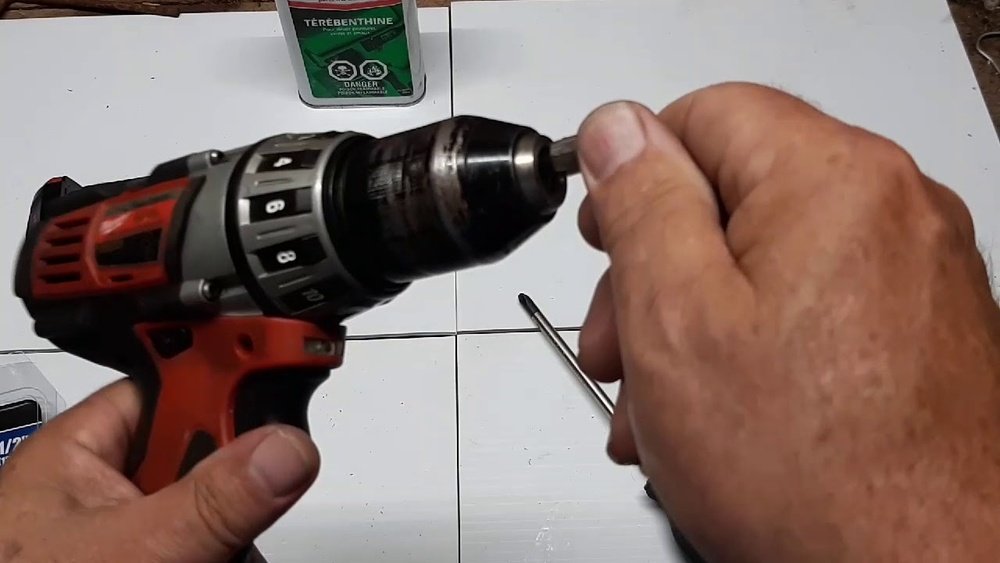
If your Milwaukee cordless drill isn’t holding bits like it used to, changing the chuck might be just what you need. Knowing how to change a chuck on your drill can save you time, money, and frustration.
Imagine getting back full control and precision without buying a new tool. In this guide, you’ll learn simple, step-by-step instructions that anyone can follow—even if you’re not a pro. Keep reading to unlock the secret to keeping your drill working like new.
Tools Needed
Changing the chuck on a Milwaukee cordless drill requires a few simple tools. These tools help you remove the old chuck and install the new one safely and correctly. Having the right tools saves time and prevents damage to your drill.
Socket Wrench
A socket wrench is essential for loosening the screw inside the chuck. It fits perfectly into the screw head and provides the grip needed to turn it. Choose the right size socket to avoid stripping the screw.
Allen Wrench (hex Key)
Many Milwaukee drills use an Allen wrench to tighten or loosen the chuck. This tool fits into the chuck’s adjustment screw. Keep an Allen wrench set handy to match different sizes.
Replacement Chuck
You need the correct replacement chuck made for your Milwaukee drill model. This ensures proper fit and function. Check the drill’s manual or model number before buying.
Safety Gloves
Wear safety gloves to protect your hands while handling tools and parts. Gloves improve grip and reduce the risk of injury during the process.

Credit: www.youtube.com
Safety Tips
Always remove the battery before changing the chuck on a Milwaukee cordless drill. Wear safety glasses to protect your eyes from debris. Use the correct tools to avoid injury and damage to the drill.
Wear Protective Gear
Always wear safety glasses to protect your eyes from debris. Gloves help protect your hands from sharp edges and slipping. Use ear protection if noise levels are high. Safety gear keeps you safe during the entire process.
Disconnect The Battery
Remove the battery before changing the chuck. This prevents accidental starts. It stops the drill from turning on unexpectedly. Safety first means no power during maintenance.
Work In A Clean Area
Keep your workspace tidy and well-lit. Clear away clutter to avoid tripping or dropping tools. A clean area reduces accidents and helps you focus on the task.
Use Proper Tools
Use the correct wrench or key for the chuck. Using wrong tools can damage the drill or cause injury. Right tools make the job easier and safer.
Follow Manufacturer Instructions
Read the manual for specific directions on your Milwaukee drill. Each model may have unique steps. Following instructions prevents mistakes and hazards.
Removing The Old Chuck
Removing the old chuck from your Milwaukee cordless drill is the first step before installing a new one. This process is simple but requires some care. Follow these steps to remove the chuck safely and easily.
Loosening The Chuck
Start by opening the chuck jaws fully. Hold the drill firmly. Turn the chuck counterclockwise to loosen it. Use your hand or a chuck key if needed. This helps release the grip on the drill bit or retaining screw.
Removing The Retaining Screw
Check inside the chuck for a small retaining screw. This screw holds the chuck tightly in place. Use a screwdriver to turn it counterclockwise. Remove the screw completely. Keep it safe for reassembly later.
Detaching The Chuck
Hold the drill securely with one hand. Use a wrench or pliers on the chuck. Turn the chuck counterclockwise to unscrew it from the drill shaft. Pull the chuck away once loose. The old chuck is now removed and ready for replacement.
Installing The New Chuck
Installing the new chuck on your Milwaukee cordless drill is a straightforward process. It requires careful alignment and secure fastening. Follow these steps to ensure the chuck fits perfectly and works well.
Aligning The Chuck
Start by matching the chuck’s hole with the drill’s spindle. The chuck should slide smoothly onto the spindle. Turn the chuck gently to find the right fit. Make sure the teeth inside line up correctly. Proper alignment prevents wobbling during use.
Securing The Chuck
Once aligned, push the chuck firmly onto the spindle. Hold it in place with one hand. Use the drill’s handle for a better grip. Avoid forcing the chuck too hard. Secure fitting helps the drill work efficiently and safely.
Tightening The Retaining Screw
Locate the retaining screw inside the chuck. Use a screwdriver to tighten it clockwise. This screw keeps the chuck locked onto the spindle. Tighten it until it feels snug but not too tight. A secure screw stops the chuck from loosening during drilling.
Testing The New Chuck
Testing the new chuck on your Milwaukee cordless drill is an important step. It ensures the chuck works well and holds drill bits tightly. A secure chuck means safer and better drilling. Take time to check the chuck before starting any project.
Check The Tightening Mechanism
Start by inserting a drill bit into the new chuck. Turn the chuck sleeve clockwise to tighten it. Feel the grip on the drill bit. It should hold the bit firmly with no wobbling. Try turning the chuck counterclockwise to loosen it. The motion should be smooth and easy.
Test The Drill Bit Stability
Power on the drill at a low speed. Watch if the drill bit stays straight and steady. Any shaking or slipping means the chuck is not secure. Stop the drill and tighten the chuck again. Repeat the test until the bit stays solid during rotation.
Verify Compatibility With Different Bits
Try different drill bit sizes in the new chuck. Use small and large bits to check the grip. Each bit should lock tightly without slipping. This confirms the chuck can handle various tasks. Replace the chuck again if it fails to hold bits properly.

Credit: www.ifixit.com
Troubleshooting Tips
Troubles can happen when changing the chuck on a Milwaukee cordless drill. Knowing how to fix these issues helps save time and frustration. This section shares simple tips to solve common problems during the process.
Check For A Stuck Chuck
The chuck might be stuck tight. Use a wrench or pliers for extra grip. Turn slowly to avoid damage. Apply some penetrating oil if it does not move.
Ensure Battery Is Fully Charged
Low power causes the drill to stop mid-task. Charge the battery fully before starting the change. A strong battery makes the process easier and safer.
Clean The Drill And Chuck Area
Dirt and dust block proper chuck removal. Wipe the drill and chuck with a clean cloth. Use compressed air to blow out hidden debris.
Use The Correct Tools
Use the right size wrench or Allen key. Wrong tools can strip screws or damage parts. Follow the drill’s manual for tool recommendations.
Apply Moderate Force Only
Too much force can break the drill or chuck. Apply steady, moderate pressure. Stop if parts do not move, and reassess the problem.
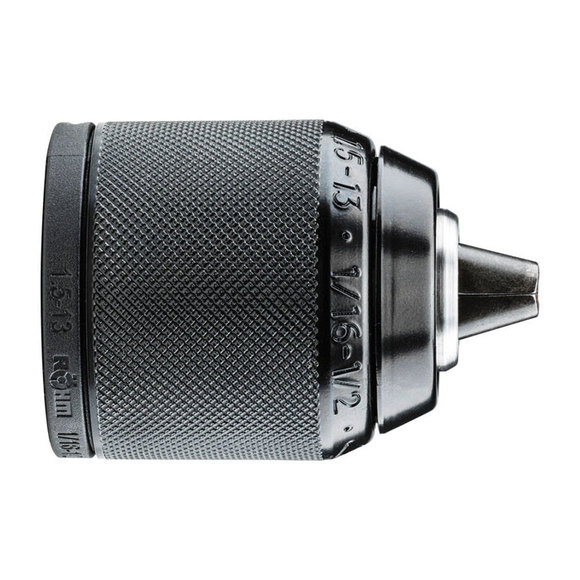
Credit: www.coimbraepaixao.com.br
Frequently Asked Questions
How Do I Remove The Old Chuck From A Milwaukee Drill?
To remove the old chuck, first remove the drill bit. Then, use an Allen wrench to loosen the chuck screw inside. Finally, twist the chuck counterclockwise to unscrew it from the drill spindle.
What Tools Are Needed To Change A Milwaukee Drill Chuck?
You typically need an Allen wrench and sometimes a pair of pliers. The Allen wrench loosens the chuck screw. Pliers can help grip the chuck if it’s tight. No special tools are usually required.
How Do I Install A New Chuck On My Milwaukee Drill?
Align the new chuck with the spindle threads. Screw it clockwise by hand until tight. Then, tighten the chuck screw inside with an Allen wrench to secure it.
Can I Use Any Chuck On A Milwaukee Cordless Drill?
No, it’s best to use a compatible Milwaukee chuck. Check the drill model for the correct size and thread type. Using the right chuck ensures proper fit and safe operation.
Conclusion
Changing a chuck on a Milwaukee cordless drill is simple and quick. Follow each step carefully to avoid mistakes. Use the right tools and apply firm pressure. Check that the new chuck fits tightly before use. This small fix saves time and keeps your drill working well.
Practice a few times to feel confident. Now, you can change chucks without worry or hassle. Keep your drill ready for any project ahead.
