

Are you planning to tackle a concrete project with a hammer drill but unsure if your power source can handle it? Knowing how many amps a hammer drill needs for concrete is key to avoiding frustrating power issues and getting the job done smoothly.
You’ll discover exactly what amp rating you should look for, how it affects your drill’s performance, and tips to choose the right tool for your needs. Keep reading to make sure your next concrete job goes off without a hitch.

Credit: www.martinispa.com
Amp Requirements For Hammer Drills
Understanding the amp requirements for hammer drills is important before starting a concrete project. Amps indicate how much electrical power the drill uses. This affects the drill’s performance and safety. Choosing the right amp rating helps the drill work efficiently without overloading your circuit. It also ensures the drill can handle tough concrete jobs.
Typical Amp Ratings
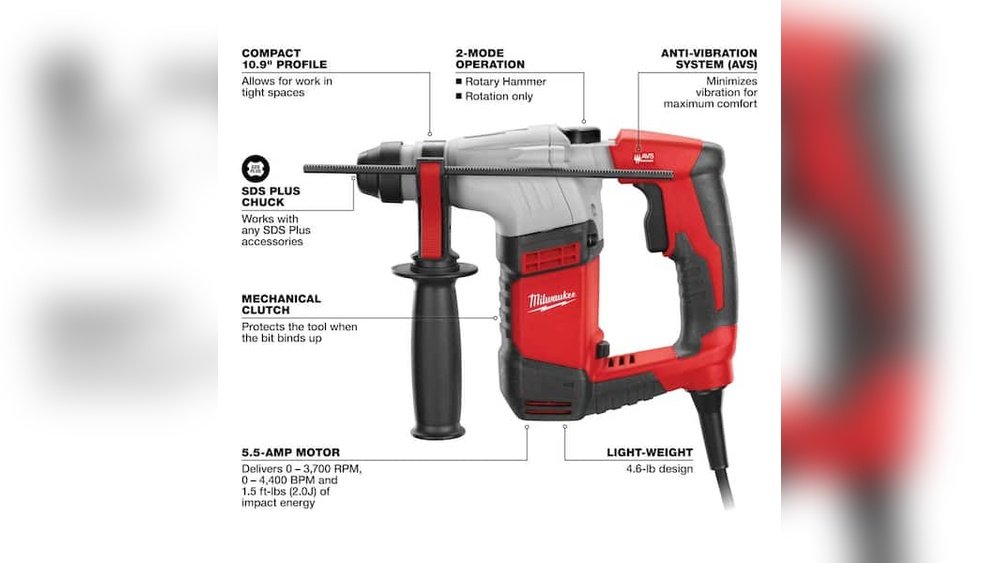
Most hammer drills for concrete use between 6 and 12 amps. Smaller drills for light tasks often need around 6 to 7 amps. Larger, heavy-duty models can draw 10 to 12 amps or more. Higher amps mean more power for tough drilling. Corded hammer drills usually have higher amp ratings than cordless ones. This helps them deliver continuous power during long jobs.
Factors Influencing Amp Draw
The amp draw changes based on several factors. Drill speed affects power use; higher speeds need more amps. The hardness of the concrete also matters. Harder concrete requires more power, increasing amp draw. Using larger drill bits pulls more amps than smaller bits. The drill’s motor efficiency influences how many amps it draws. Poorly maintained drills often use more amps due to friction and wear.
Power Needs For Concrete Drilling
Power needs for concrete drilling vary. Drilling into concrete requires a strong hammer drill. The drill must handle tough surfaces and dense material. Understanding power demands helps choose the right tool. It also ensures the job gets done without overheating or damage.
Several factors affect how many amps a hammer drill uses. These factors relate to the concrete’s makeup and the drill’s settings. Knowing these details helps avoid underpowered tools and wasted energy.
Concrete Density And Resistance
Concrete density affects drill power needs. Dense concrete has tightly packed particles. This makes it harder to break with a drill. High-density concrete requires more power to penetrate.
Resistance increases with the concrete’s age and mix. Older, cured concrete is tougher. Concrete with more gravel or stones also resists drilling. These factors raise the amp consumption during use.
Impact On Amp Consumption
The harder the concrete, the higher the amps needed. A hammer drill working on dense concrete draws more current. This can range from 6 to 12 amps or more. Light concrete or softer materials use less power.
Using a drill with insufficient amps slows the work. The drill may overheat or stall. Choosing a drill with the right amp rating matches the job demands. This improves efficiency and tool lifespan.
Comparing Corded Vs Cordless Models
Choosing between corded and cordless hammer drills affects power and convenience. Both types suit concrete work but differ in how they draw amps. Understanding these differences helps pick the right tool for your needs.
Amp Variations In Corded Drills
Corded hammer drills usually need 6 to 12 amps. Higher amps mean more power for tough concrete. They run directly from the outlet, so power stays steady. These drills keep working without breaks for charging. Amp ratings show the drill’s strength and ability to handle heavy tasks.
Battery Capacity And Amp Draw In Cordless
Cordless hammer drills rely on battery amps and volts. Battery capacity is measured in amp-hours (Ah). Higher Ah means longer runtime between charges. Amp draw depends on the drill’s motor and load. Cordless models offer flexibility but may lose power as batteries drain. Knowing battery specs helps predict drill performance on concrete jobs.
Choosing The Right Hammer Drill Amp
Choosing the right hammer drill amp is key for working on concrete. The amp rating shows how much electrical power the drill uses. A drill with the correct amps handles the job well and lasts longer. Too low amps might cause the tool to overheat or stop. Too high amps can be hard to control and waste energy. Understanding amp needs helps pick the best drill for your project.
Matching Amp To Project Size
Small projects like hanging pictures need drills with 5 to 7 amps. These drills are lighter and easier to use. Medium jobs, like drilling holes for anchors, need 7 to 9 amps. This range gives enough power for tougher concrete. Large projects, such as breaking concrete or heavy drilling, require 10 amps or more. Higher amps give stronger impact and longer run time. Match the amp to your work for smooth drilling.
Safety And Efficiency Considerations
Using the right amp drill reduces the risk of accidents. Low amps can cause the motor to burn out quickly. High amps can make the drill heavy and hard to control. A balanced amp rating helps keep the drill steady and safe. It also saves electricity and prevents tool damage. Choose a drill with the right amps to work smarter and safer on concrete.
Power Supply And Circuit Requirements
Power supply and circuit requirements are important for operating a hammer drill on concrete. These tools need enough electrical current to work well. Without the right power source, the drill may not run smoothly or could cause electrical issues. Knowing the correct amperage and circuit setup helps protect your tools and home wiring. It also improves work efficiency and safety.
Recommended Circuit Breakers
Hammer drills usually require a circuit breaker rated between 15 and 20 amps. This range matches the typical power draw of most drills. Using a breaker with too low a rating can cause frequent trips and interruptions. A breaker with a higher rating than needed can be unsafe. It might not protect your wiring from overloads properly. Always check the drill’s specifications before choosing a breaker.
Extension Cords And Voltage Drop
Extension cords can affect the drill’s performance by causing voltage drops. Voltage drop happens when electricity loses power over long cords. Use extension cords with a thick gauge wire to reduce this loss. Shorter cords help keep voltage stable. Low voltage can make the drill run slower or damage the motor. Choose cords rated for heavy-duty use and the right amperage to avoid problems.
Credit: justiceorelse.com
Tips To Optimize Hammer Drill Performance
Optimizing hammer drill performance helps you work faster and safer. Proper care and smart use reduce wear and power waste. This section shares simple tips to get the best from your hammer drill on concrete.
Maintaining Proper Tool Settings
Set your hammer drill to the right mode for concrete. Use the hammer and rotation setting together. Check the drill bit size matches the hole size you need. Tighten the bit firmly in the chuck to avoid slipping. Adjust the speed according to the material hardness. Slower speeds work better for tough concrete. Keep the tool clean and free from dust. This prevents overheating and power loss.
Reducing Amp Load During Use
Start drilling with light pressure. Let the tool do the work, not your force. Avoid pushing too hard; this raises amp draw and risks motor damage. Take breaks to cool the drill and lower amp load. Use sharp, high-quality bits to reduce resistance. Replace worn bits quickly to maintain efficiency. Use a steady, controlled pace for long drilling sessions. This keeps current draw stable and extends tool life.
Credit: www.homedepot.com
Frequently Asked Questions
How Many Amps Does A Hammer Drill Need For Concrete?
A hammer drill for concrete typically requires 6 to 12 amps. Higher amperage means more power, which is crucial for drilling hard materials like concrete.
Can A 6 Amp Hammer Drill Handle Concrete Drilling?
Yes, a 6 amp hammer drill can handle light to medium concrete drilling tasks. For heavy-duty concrete work, a drill with higher amps is recommended.
Why Does Hammer Drill Amperage Matter For Concrete?
Amperage indicates the drill’s power level. Higher amps provide more torque and efficiency when drilling through tough concrete surfaces.
What Amp Range Is Ideal For Heavy Concrete Drilling?
For heavy concrete drilling, a hammer drill with 8 to 12 amps is ideal. It offers sufficient power to penetrate dense concrete without strain.
Conclusion
A hammer drill needs the right amps to work well on concrete. Most models use between 6 and 10 amps. Choosing the correct amp rating helps the drill stay powerful without overheating. This also makes your work easier and faster.
Always check the drill’s specifications before buying or using it. Proper amps mean better performance and longer tool life. Keep these points in mind for your next concrete project. Simple and steady power wins the job every time.
