


Have you ever wondered how to drill a hole in a light bulb without breaking it? It sounds tricky, right?
But with the right steps and safety tips, you can do it yourself. Imagine turning an ordinary bulb into a unique decoration or a handy tool. You’ll learn exactly how to do it safely and easily. Keep reading, and you’ll discover simple tricks that make the job much easier than you think.
Your next creative project is just a hole away!
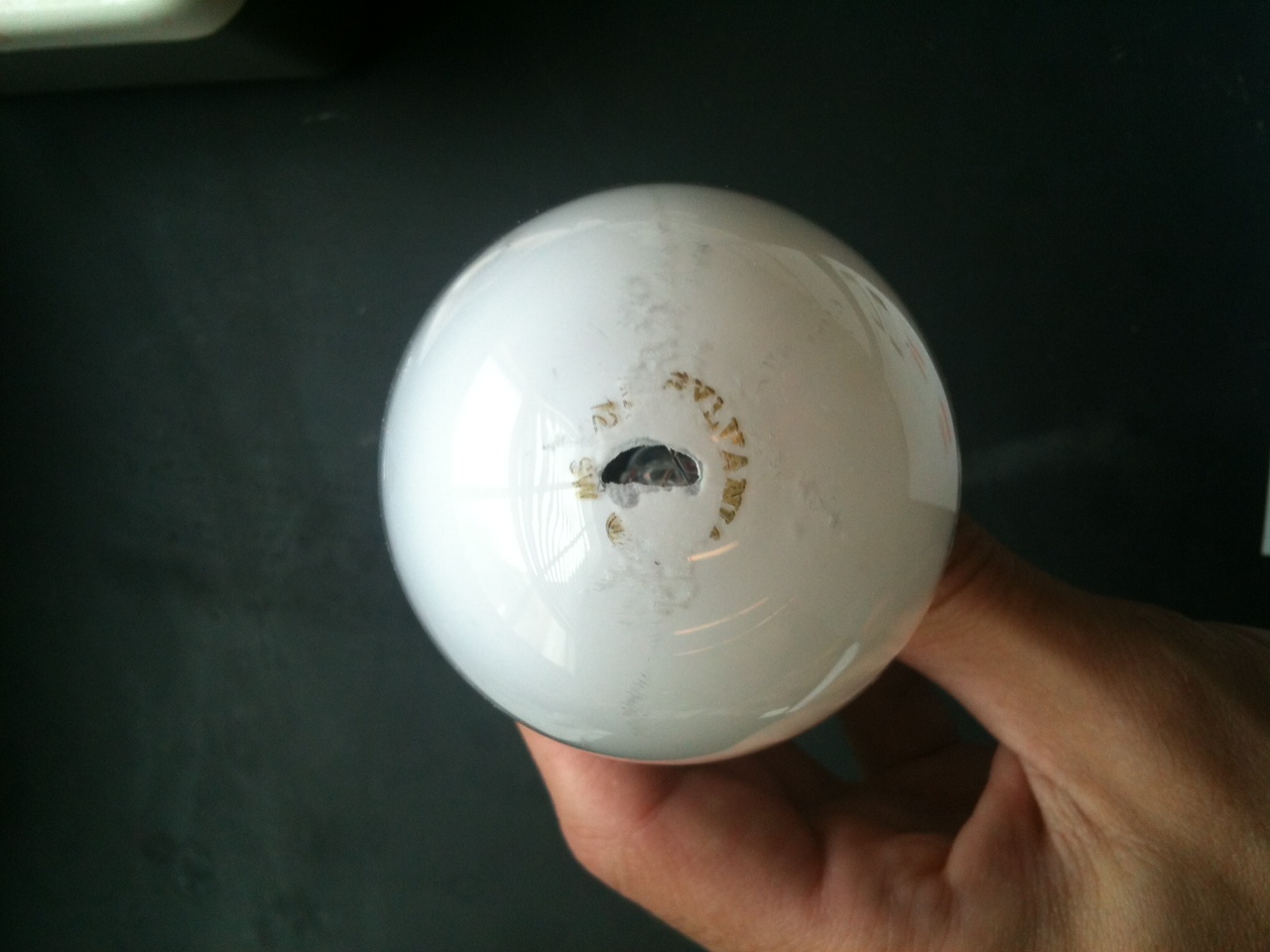
Credit: www.hellonull.com
Tools Needed
Drilling a hole in a light bulb requires the right tools. Using proper equipment makes the task safer and easier. You need drill bits, protective gear, and some extra supplies. This section explains what tools to prepare before starting.
Types Of Drill Bits
Choose drill bits designed for glass or ceramics. Diamond-tipped bits work best. They cut through glass smoothly without cracking it. Carbide bits also work but may cause chips. Avoid regular metal bits as they can shatter the bulb. Use small-sized bits to control the hole size.
Protective Gear
Wear safety glasses to protect your eyes. Glass shards can fly during drilling. Use gloves to keep your hands safe. Thick gloves prevent cuts from broken glass. A dust mask helps avoid inhaling fine glass dust. Dress in long sleeves for extra protection.
Additional Supplies
Have a steady drill or drill press for control. A piece of tape on the bulb helps stop slipping. Use water or a lubricant to cool the drill bit. Cooling prevents overheating and cracks. Keep a soft cloth nearby to hold the bulb gently.
Preparing The Bulb
Preparing the bulb is an essential step before drilling a hole. It helps avoid accidents and makes the process smoother. Careful preparation ensures safety and success.
Removing The Metal Base
Start by removing the metal base at the bottom of the bulb. Use pliers to grip and twist it gently. Be patient and avoid breaking the glass.
The metal base holds the bulb’s inner parts. Removing it exposes the inside for emptying and cleaning.
Emptying The Bulb
Next, empty the bulb carefully. Shake out any loose particles inside. You may need to tap the bulb gently to release debris.
Emptying prevents dust and glass shards from causing harm. Always wear gloves to protect your hands during this step.
Cleaning The Surface
Clean the bulb’s surface before drilling. Use a soft cloth and rubbing alcohol to wipe it down. This removes dust, grease, and fingerprints.
A clean surface helps the drill bit grip the glass better. It also reduces the chance of the glass cracking.
Drilling Process
Drilling a hole in a light bulb requires care and the right steps. The drilling process is simple but must be done carefully. This ensures the bulb does not break and the hole is clean. Follow each step closely for best results.
Setting Up The Drill
Choose a drill with a small, sharp bit. A diamond or carbide bit works best. Secure the drill on a stable surface. Use a slow speed setting to avoid cracking the bulb. Wear safety glasses to protect your eyes.
Marking The Spot
Find the exact spot where you want the hole. Use a marker to make a small dot. This helps guide the drill bit. Double-check the spot before you start drilling. Accuracy here prevents mistakes and broken glass.
Drilling Technique
Hold the bulb firmly but gently. Start drilling slowly at the marked spot. Apply light pressure to avoid breaking the glass. Pause often to cool the drill bit and bulb. Keep the drill steady and straight for a clean hole.

Credit: www.youtube.com
Safety Tips
Drilling a hole in a light bulb needs careful attention. Safety is the top priority to avoid injuries and mess. Follow these tips to keep yourself safe and work smoothly.
Handling Glass Carefully
Light bulbs are fragile. Hold the bulb gently but firmly. Avoid gripping too tight to prevent cracks. Use gloves to protect your hands from sharp edges. Always keep your workspace clean and clear of clutter.
Avoiding Breakage
Drill slowly and steadily. Use a low speed setting on your drill. Do not press hard; let the drill do the work. Keep the bulb supported on a soft surface. This reduces shaking and lowers the chance of breaking.
Disposing Of Waste
Glass shards can hurt. Collect all broken pieces carefully. Use a thick paper or cardboard to scoop shards. Dispose of waste in a sealed container. Keep it away from children and pets to prevent accidents.
Creative Uses
Drilling a hole in a light bulb opens many creative possibilities. It transforms a simple object into something useful and beautiful. The process allows you to reuse old bulbs in unique ways. Here are some ideas to inspire your next project.
Diy Projects
Drilled light bulbs can become small planters for succulents or air plants. They also work well as tiny terrariums. You can fill them with colored sand or tiny pebbles. Use string or wire to hang these creations as ornaments. They make great gifts or home decorations.
Decorative Ideas
Holes allow you to add lighting effects inside the bulb. Insert fairy lights or small candles for soft glows. Fill bulbs with glitter or paint for unique displays. Group several bulbs to create eye-catching centerpieces. These bulbs add charm to any room or event.
Functional Applications
Drilled bulbs can serve practical uses around the house. Use them as small oil lamps by adding a wick and oil. They also work as salt or spice holders in the kitchen. With the right seal, they become tiny vases for single flowers. These bulbs combine beauty with everyday use.
Credit: www.reddit.com
Frequently Asked Questions
How Can I Safely Drill A Hole In A Light Bulb?
To drill safely, wear protective gloves and goggles. Use a diamond-coated drill bit and drill slowly. Keep the bulb wet to reduce heat and avoid breakage.
What Tools Do I Need To Drill A Light Bulb?
You need a diamond-coated drill bit, a drill, safety gloves, and goggles. A steady work surface and water for cooling help prevent damage.
Can Drilling A Light Bulb Cause It To Shatter?
Yes, drilling can cause shattering if done too fast or without cooling. Use slow speed and keep the bulb wet to minimize breakage risks.
Why Would Someone Drill A Hole In A Light Bulb?
Drilling holes in bulbs is common for crafts, DIY lamps, or terrariums. It allows inserting wires or plants while reusing old bulbs creatively.
Conclusion
Drilling a hole in a light bulb takes care and patience. Use the right tools and follow safety steps closely. Take your time and avoid rushing the process. Small mistakes can cause the bulb to break or shatter. Always protect your eyes and hands from glass shards.
With careful work, you can create the hole safely. This skill helps in crafts or repairs needing a bulb hole. Stay calm, work slowly, and you will succeed easily.
