

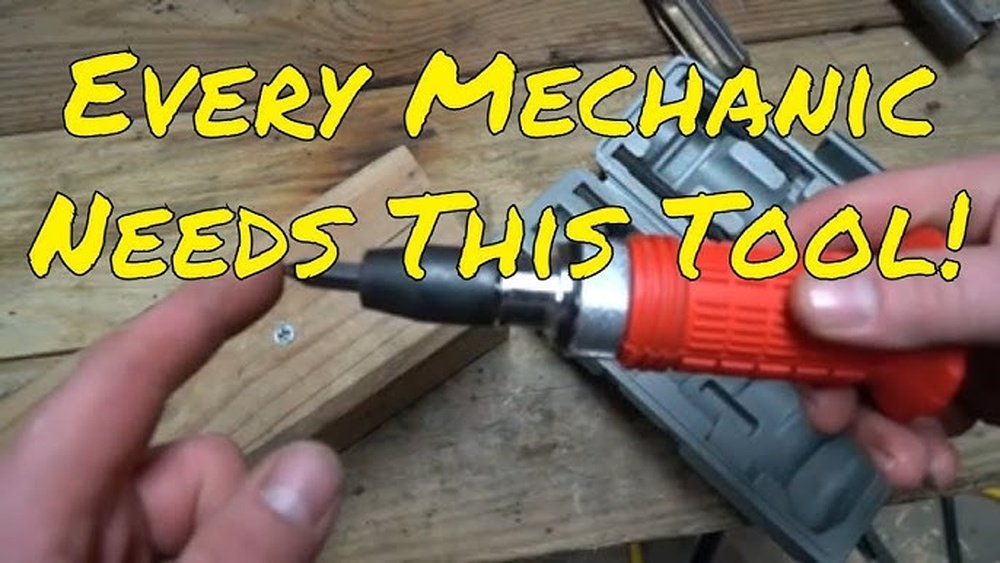
Struggling with a stripped screw can be frustrating. You’ve probably tried everything, but it just won’t budge.
What if there’s a tool that can make this job easier? You might be wondering, can an impact driver be used for stripped screws? The answer could save you time and effort on your next project. Keep reading to discover how this powerful tool works and whether it’s the right choice for your toughest screw problems.

Credit: www.reddit.com
Impact Driver Basics
An impact driver is a powerful tool often used for driving screws and bolts. It is useful for tough jobs that need more force than a regular drill. Knowing the basics helps understand why it can work well on stripped screws.
This tool combines rotational force with concussive blows. This action helps loosen screws stuck in wood or metal. It reduces slipping, which can make stripped screws worse.
How Impact Drivers Work
Impact drivers use two types of force. First, they spin the bit like a drill. Second, they deliver quick, strong impacts in the same direction. These impacts add extra torque without much effort from you.
The hits push the screw deeper or help break it free if stuck. This makes it easier to turn screws that a normal drill can’t move. The tool feels like it is pulsing or hammering while working.
Differences From Regular Drills
Regular drills spin smoothly and have less torque. They work well for light tasks like drilling holes and driving small screws. But they can slip on hard or damaged screw heads.
Impact drivers offer more torque and impact force. Their design reduces the chance of stripping the screw head further. They use hex bits instead of round ones, which fit screws better.
These features make impact drivers better for tough screws. They provide more control and power to remove stripped screws safely.
Credit: www.reddit.com
Why Screws Get Stripped
Screws often get stripped during use. This happens when the screw head’s shape is damaged. Stripped screws lose their grip, making them hard to remove or tighten. Understanding why screws strip helps avoid this problem and saves time on repairs.
Common Causes
Using the wrong screwdriver size can strip a screw. A loose or worn-out screwdriver bit slips and damages the screw head. Applying too much force also wears down the screw. Fastening screws at the wrong angle breaks their shape. Low-quality screws strip more easily under pressure.
Signs Of Stripped Screws
The screwdriver spins without turning the screw. The screw head looks rounded or worn out. The screwdriver bit slips out frequently. The screw does not tighten or loosen properly. You hear a grinding noise when turning the screw.
Using Impact Drivers On Stripped Screws
Stripped screws can cause frustration during projects. They lose their grip, making removal hard. Impact drivers are powerful tools that might help in these situations. They deliver strong twisting force and quick bursts of power. This can loosen screws that regular drills cannot.
Using an impact driver requires care. The tool’s force can either solve the problem or make it worse. Understanding when and how to use it is important for success.
Advantages And Risks
Impact drivers apply high torque in short bursts. This can break loose stuck or stripped screws quickly. The quick action reduces the chance of further stripping the screw head. It also causes less damage to the surrounding material.
But there are risks. The strong force can damage soft materials or delicate workpieces. The driver may slip if the bit does not fit well, causing more damage. Using the wrong bit size can make the screw worse to remove.
When To Use An Impact Driver
Use an impact driver when the screw is tightly stuck and stripped. It works best on metal or hardwood where extra force helps. Try manual methods first, like rubber bands or screw extractors. Use the impact driver only if other methods fail.
Choose the right bit size for a secure grip. Keep the driver steady to avoid slipping. Stop if the screw or material shows signs of damage. This tool is powerful but needs careful handling for best results.

Credit: www.youtube.com
Techniques To Remove Stripped Screws
Removing stripped screws can be tricky but not impossible. Using the right techniques can save time and prevent damage. Understanding how to handle stripped screws helps keep your projects on track. Here are key methods to try for safe and effective removal.
Proper Bit Selection
Choosing the correct bit is crucial. A worn or wrong bit can worsen the screw’s condition. Use a bit that fits tightly into the screw head. Sometimes, a slightly larger bit can provide better grip. Try specialty bits designed for stripped screws if standard ones fail.
Applying Controlled Torque
Applying force carefully is important. Too much torque can break the screw. Start with low power and increase gradually. Use short bursts rather than continuous pressure. This prevents slipping and reduces damage to the screw head.
Using Additional Tools
Extra tools can help remove tough screws. Rubber bands placed over the screw head improve grip. Pliers or locking pliers can turn the screw if the head is exposed. Screw extractors are useful for deeply stripped screws. These tools work well with impact drivers for better results.
Preventing Screw Stripping
Preventing screw stripping saves time and avoids frustration during projects. Stripped screws can ruin your work and make removal hard. Taking simple steps helps keep screws intact and ensures smooth driving. Focus on choosing the right tools and using proper techniques to protect screws.
Choosing The Right Screws And Bits
Select screws designed for your project material. Use high-quality screws with sharp threads. Match the screw head type with the correct bit shape. Using the wrong bit causes slipping and damage. Always check that bits fit tightly into screw heads. Replace worn or damaged bits to keep grip strong.
Correct Driving Techniques
Start screws slowly to avoid slipping or stripping. Apply steady pressure while driving screws in. Keep the driver bit aligned straight with the screw. Avoid pushing too hard; let the tool do the work. Stop driving once the screw is flush with the surface. Back out screws carefully if you need to reposition them.
Alternative Methods For Tough Stripped Screws
Stripped screws can stop any project in its tracks. Sometimes an impact driver alone cannot fix this problem. Alternative methods exist to help remove these stubborn screws. These methods use different tools and techniques. They often work better for tough stripped screws.
Using the right method can save time and avoid damage. Below are two effective options to try.
Manual Extraction Tools
Manual extraction tools include screw extractors and pliers. Screw extractors are designed to grip stripped screws tightly. They have special threads that bite into the damaged screw head. Turn the extractor slowly to pull the screw out. Pliers can also help. Grip the screw head firmly and twist it out carefully. These tools work well for screws with enough exposed head.
Drilling Out The Screw
Drilling out is a last-resort method for very damaged screws. Use a drill bit slightly smaller than the screw shaft. Drill into the center of the screw slowly. This can break the screw apart or create space for removal. After drilling, try to pull out the screw with pliers. This method needs a steady hand and patience. Avoid drilling too deep to protect the work surface.
Frequently Asked Questions
Can An Impact Driver Remove Stripped Screws Effectively?
Yes, an impact driver can remove stripped screws. Its high torque and concussive force help loosen stuck screws without damaging the material.
What Types Of Stripped Screws Suit Impact Drivers?
Impact drivers work best on metal or wood screws with damaged heads. They provide extra power to grip and turn stripped screws effectively.
Should I Use Special Bits With An Impact Driver?
Yes, using impact-rated screwdriver bits is essential. These bits are durable and designed to handle the impact driver’s high torque, reducing bit wear and slippage.
Can An Impact Driver Damage Materials Around Stripped Screws?
If used carefully, an impact driver won’t damage surrounding materials. Controlled bursts prevent excessive force, protecting surfaces while removing stripped screws efficiently.
Conclusion
An impact driver can help with some stripped screws. It delivers strong, quick bursts of force. This can loosen screws that regular tools can’t. But it may not work on all types. Using the right bit and steady pressure matters.
Avoid using too much force to prevent damage. Small stripped screws might need other tools. Keep safety in mind while working on projects. Trying an impact driver is worth a shot. It often saves time and effort in repairs.
