

Are you wondering if you can use rotary masonry bits in your hammer drill? If you’ve ever faced tough concrete or brick walls, you know the right tools can make all the difference.
Using the wrong bit or drill mode can waste your time and damage your equipment. You’ll discover exactly how rotary masonry bits work with hammer drills, and what you need to know to get the best results. Keep reading to avoid common mistakes and make your next drilling job easier and faster.
Rotary Masonry Bits Basics
Rotary masonry bits are essential for drilling into hard materials like brick, stone, and concrete. They have a unique design to handle tough surfaces without breaking. Understanding their basics helps you choose the right bit and use it safely.
These bits fit into hammer drills, making the job faster and easier. Knowing how they work and the materials they suit improves your drilling results.
Types Of Masonry Bits
There are many types of masonry bits. The most common one is the carbide-tipped bit. It has a strong tip that stays sharp longer. Another type is the diamond-tipped bit, best for very hard surfaces. Some bits have spiral designs to remove dust better. Choose the bit based on your project needs.
How Rotary Masonry Bits Work
Rotary masonry bits work by spinning at high speed. The hammer drill adds a pounding action that breaks the material. The carbide or diamond tip cuts into the surface. The spiral design helps clear debris as you drill. This combination allows quick and clean holes in hard materials.
Materials Suitable For Rotary Bits
Rotary masonry bits work best on concrete, brick, stone, and mortar. They struggle with soft wood or metal, so avoid those. Using the right bit on the right material prevents damage. It also makes your drill last longer. Always match the bit to the material for best results.
Credit: www.familyhandyman.com
Hammer Drill Features
Hammer drills have unique features that make them different from regular drills. These features help when drilling into tough materials like concrete and masonry. Understanding these features helps you decide if a hammer drill suits your project needs. Let’s explore what makes a hammer drill special and how it works.
Hammer Drill Vs. Regular Drill
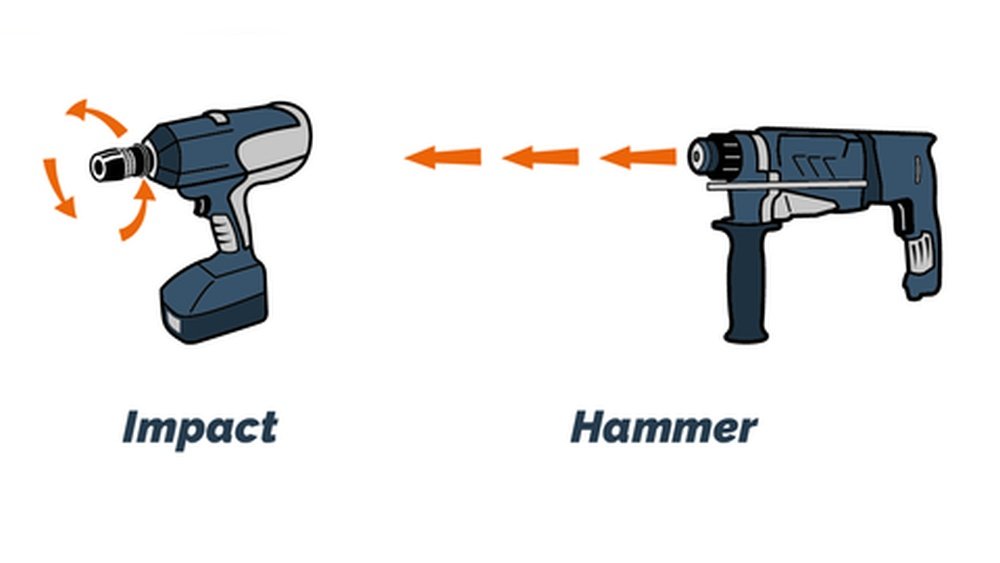
Regular drills rotate the bit to make holes in wood or metal. Hammer drills add a pounding action to the rotation. This pounding helps break hard materials like brick and stone. Regular drills struggle with such materials and may overheat or stall. Hammer drills work faster and with less effort on tough surfaces. They often have a switch to change between hammer mode and regular mode.
Modes And Settings Explained
Most hammer drills have multiple modes. The main modes are drill only, hammer only, and hammer drill combined. Drill only mode works like a regular drill. Hammer only mode provides a pounding action without rotation. The hammer drill mode combines pounding and rotation for tough drilling. Speed settings allow control over how fast the drill spins. This helps match the speed to the material being drilled.
Power And Speed Considerations
Hammer drills usually have more power than regular drills. Power is measured in amps for corded drills or volts for cordless. Higher power helps drill through hard materials faster. Speed varies from low to high RPM (rotations per minute). Lower speed works better for hard materials to avoid bit damage. High speed suits softer materials like wood. Choose a drill with adjustable speed for flexibility in tasks.
Using Rotary Masonry Bits In Hammer Drills
Using rotary masonry bits in hammer drills allows you to drill into tough materials like brick, concrete, and stone. These bits are designed with special tips to handle hard surfaces. They work best with the hammering action of the drill, which helps break up the material. Understanding how to use these bits correctly makes your work easier and safer.
Compatibility Factors
Not all rotary masonry bits fit every hammer drill. The shank size must match your drill’s chuck size. Most hammer drills accept SDS or standard round shanks. Check your drill’s manual to know which bit type fits. Using the wrong bit can cause slipping or damage to the drill and bit.
Proper Bit Installation
Insert the rotary masonry bit firmly into the drill chuck. For SDS bits, push and twist until it locks. For standard bits, tighten the chuck securely by hand or with a key. Loose bits may wobble or fall out during use. Always check the bit is stable before starting your work.
Adjusting Drill Settings
Set your hammer drill to the hammer or rotary hammer mode. This mode adds impact to the rotation for easier drilling in masonry. Use a slower speed for better control and less wear on the bit. Avoid forcing the drill; let the bit do the work. Proper settings extend bit life and improve drilling results.
Tips For Effective Drilling
Drilling into masonry with a hammer drill requires care and the right methods. Using rotary masonry bits can be effective if done correctly. Follow these simple tips to improve your drilling results and protect your tools.
Drilling Techniques
Start by marking the spot clearly. Hold the drill steady and straight. Apply steady pressure, not too hard. Let the drill bit do the work. Use short bursts to avoid overheating. Pause occasionally to clear dust from the hole. This keeps the bit sharp and drilling smooth.
Preventing Bit Damage
Choose the right bit size for your task. Avoid pushing too hard, which can break the bit. Keep the bit cool by drilling slowly. Use water or take breaks if the bit gets hot. Inspect bits often for wear or cracks. Replace damaged bits to avoid accidents.
Safety Precautions
Wear safety glasses to protect your eyes. Use ear protection to block loud noise. Wear gloves to improve grip and protect hands. Keep your work area clean and free of clutter. Make sure the drill is off before changing bits. Always use the correct drill for the job.
Common Mistakes To Avoid
Using a rotary masonry bit in a hammer drill can be effective. Avoiding common mistakes helps protect your tools and improves work quality. Mistakes can cause damage to the bit, drill, or the material you work on. Learning what to avoid saves time and money.
Overheating The Bit
Overheating breaks the bit quickly. It happens when you apply too much pressure or drill for a long time without breaks. Heat weakens the metal and makes the bit dull faster. Let the bit cool down by stopping often. Use water or lubricant for extra cooling if possible.
Using Incorrect Speed
Rotary masonry bits need the right speed to work well. Too fast, and the bit wears out. Too slow, and the drill wastes energy. Check your drill’s speed settings. Use lower speeds for hard materials like concrete. Adjust speed based on bit size and material hardness.
Ignoring Drill Maintenance
Dirty or worn drills reduce performance. Dust and debris clog the drill and make it work harder. Clean your drill regularly. Check the brushes and replace worn parts. Proper maintenance keeps the drill running smoothly and extends its life.

Credit: www.popularmechanics.com
When To Choose Alternative Tools
Choosing the right tool for masonry work is important. Sometimes, a hammer drill is not the best choice. Certain jobs need more power or specific features. Knowing when to pick alternative tools saves time and effort. It also protects your tools from damage. Below, we explore key points to help you decide.
Rotary Hammer Vs. Hammer Drill
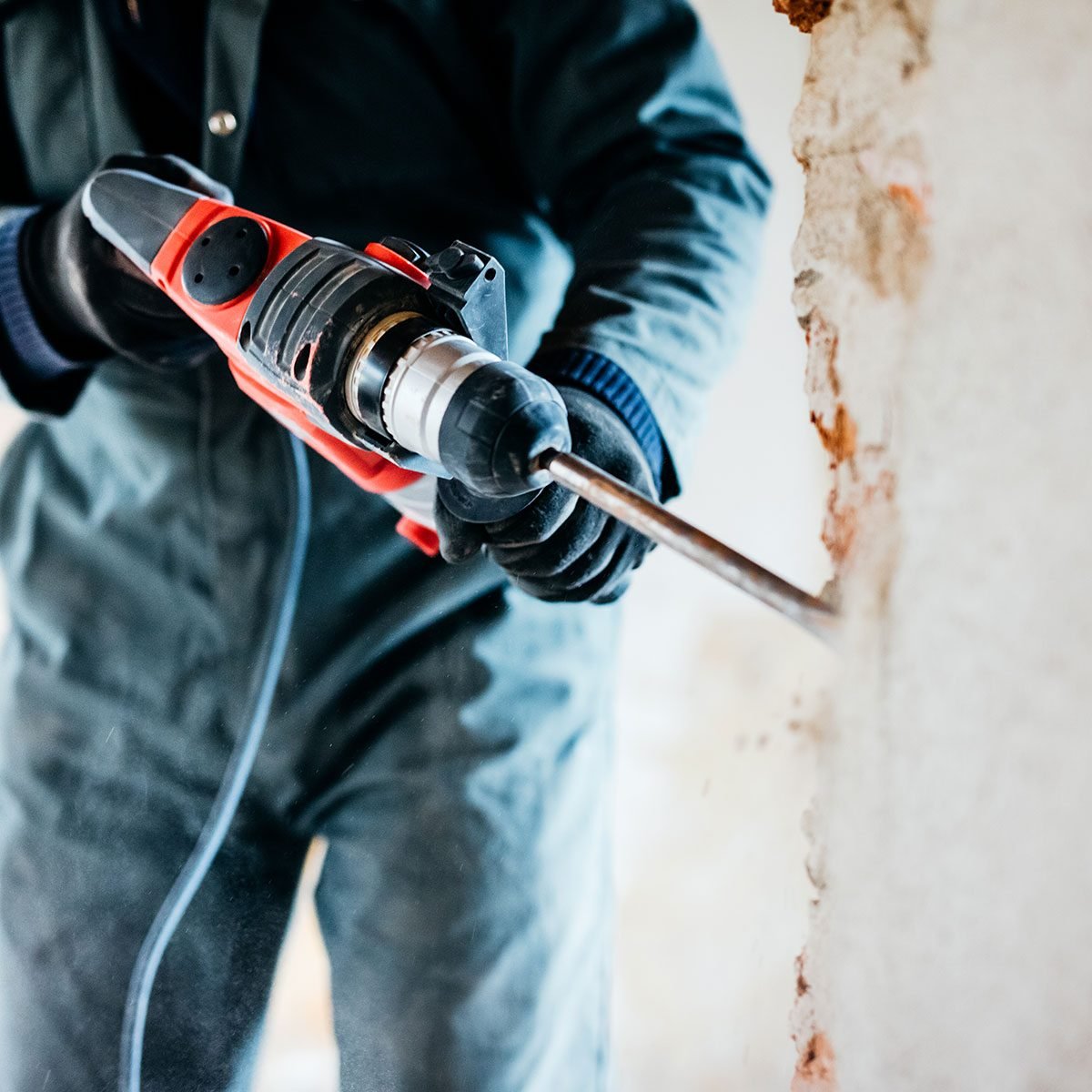
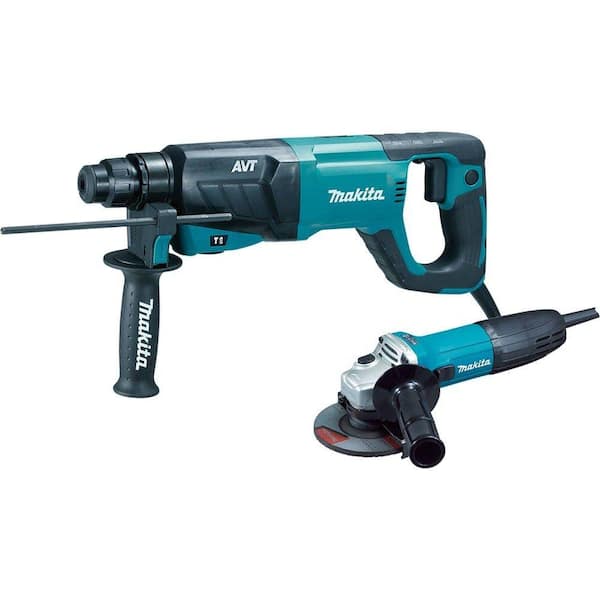
A hammer drill can handle light masonry tasks. It combines drilling and hammering actions. But it struggles with dense or thick concrete. A rotary hammer delivers stronger impact force. It uses a piston mechanism for deeper, faster holes. For heavy-duty projects, a rotary hammer is more effective. It reduces fatigue and improves work speed.
Specialized Bits For Tough Jobs
Standard masonry bits fit hammer drills well. Yet, hard materials need stronger bits. Carbide-tipped or SDS bits last longer and drill better. SDS bits lock firmly in rotary hammers. This offers better control and power transfer. Using the right bit prevents bit breakage. It also improves hole quality and precision.
Professional Recommendations
Experts advise using rotary hammers for large or frequent masonry tasks. Hammer drills suit light repairs or small projects. Professionals suggest investing in quality bits for tough jobs. Proper tool maintenance extends tool life. Safety gear is crucial regardless of the tool used. Following these tips leads to better results and fewer problems.
Credit: www.homedepot.com
Frequently Asked Questions
Can I Use Rotary Masonry Bits In A Hammer Drill?
Yes, rotary masonry bits can be used in hammer drills. Hammer drills provide the necessary impact action for effective drilling in masonry materials.
Will A Hammer Drill Damage Rotary Masonry Bits?
No, a hammer drill will not damage rotary masonry bits if used correctly. Ensure the bit is securely fitted and choose the right speed and pressure.
Are Rotary Masonry Bits Compatible With All Hammer Drills?
Most rotary masonry bits are compatible with standard hammer drills. However, check the bit shank size and drill chuck compatibility before use.
What Materials Can I Drill With Rotary Masonry Bits In A Hammer Drill?
Rotary masonry bits in a hammer drill are ideal for drilling concrete, brick, stone, and mortar. Avoid using them on metal or wood for best results.
Conclusion
Rotary masonry bits can work in a hammer drill, but with limits. Hammer drills add a pounding action that helps in tough materials. Using the right bit and drill settings matters a lot. Avoid forcing the drill to prevent damage or wear.
Choose tools made for the job to get better results. This keeps your work safe and efficient every time. Remember, matching the tool and task saves time and effort. Give your drill proper care, and it will last longer.
