


Drilling a 2 inch hole in aluminum might seem tricky at first, but with the right tools and steps, you can do it smoothly and safely. Whether you’re working on a DIY project or a professional job, knowing how to handle this task can save you time and frustration.
In this guide, you’ll learn exactly what you need and how to drill that perfect hole without damaging your material. Ready to get started and make your project easier? Keep reading—you’ll find simple tips that anyone can follow.

Credit: www.amazon.sa
Choosing The Right Drill Bit
Choosing the right drill bit is key to drilling a clean 2 inch hole in aluminum. The drill bit must be strong and sharp. It should cut through aluminum without bending or breaking. Using the wrong drill bit can cause rough edges or damage the metal. This section explains which drill bits work best and what to consider when picking one.
Types Of Drill Bits For Aluminum
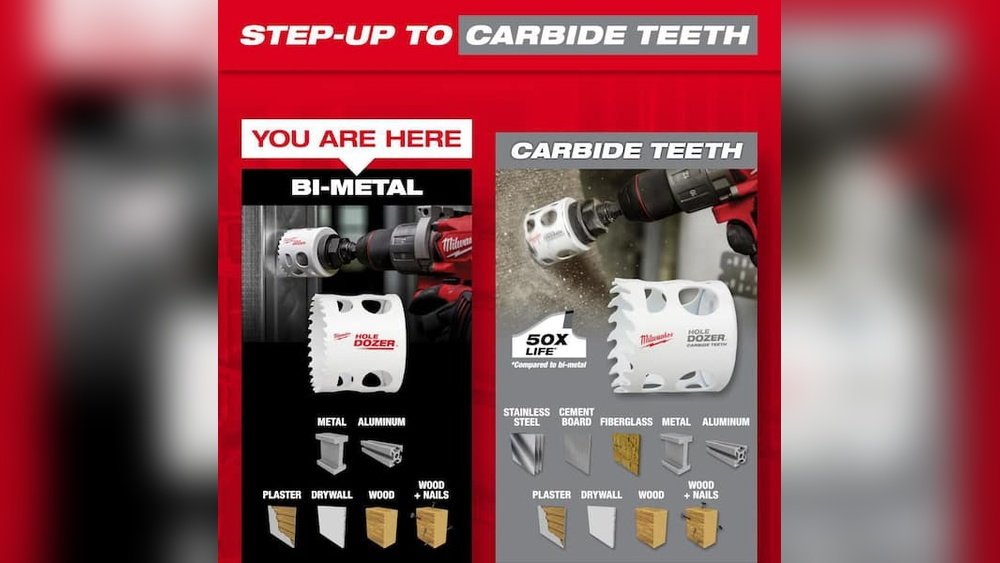
High-speed steel (HSS) drill bits are a common choice. They are tough and handle aluminum well. Cobalt drill bits offer extra strength and heat resistance. They stay sharp longer during heavy drilling. Titanium-coated bits reduce friction. They help drill smoothly and last longer. Carbide bits are very hard and best for thick aluminum. They cut quickly but cost more. Choose a drill bit type based on your project size and budget.
Size And Material Considerations
Pick a drill bit that matches the 2 inch hole size exactly. Oversized bits make rough holes. Undersized bits need extra work to widen the hole. Aluminum is soft, so avoid bits meant for wood or masonry. Use bits designed for metal or aluminum. Check the bit’s material to ensure it can cut aluminum cleanly. Sharp edges on the bit reduce heat and damage during drilling. Always pick the right size and material for a smooth finish.
Preparing The Work Area
Preparing the work area is the first step before drilling a 2 inch hole in aluminum. A clean and organized space makes the job safer and easier. It helps you focus on the task and avoid mistakes.
Proper preparation also protects the material and tools. You need to set everything up carefully to get the best results. This section covers two important parts: securing the aluminum sheet and marking the drill spot.
Securing The Aluminum Sheet
Firmly hold the aluminum sheet in place. Use clamps or a vice to stop it from moving. Movement can cause the drill bit to slip and damage the metal. Secure the sheet on a flat surface for stability. Double-check the grip before you start drilling.
Marking The Drill Spot
Mark the exact spot where you want to drill the hole. Use a marker or a scribe for a clear mark. A center punch can make a small dent to guide the drill bit. This prevents the bit from wandering and ensures precision. Take your time to measure and mark carefully.
Setting Up The Drill
Setting up the drill is a key step before drilling a large hole in aluminum. Proper setup ensures accuracy and safety. It also helps protect your tools and the metal. Take your time to prepare the drill correctly.
Selecting Drill Speed
Choose the right drill speed for aluminum. Too fast can overheat the metal and dull the bit. Too slow can cause rough cuts and waste time. Use a medium to low speed. This keeps the drill bit cool and cuts smoothly. Check your drill’s manual for speed settings for metal.
Using A Pilot Hole
Start with a small pilot hole before drilling the full 2-inch hole. This guides the larger bit and reduces slipping. Use a drill bit around ¼ inch for the pilot hole. Drill straight and steady to keep the hole clean. The pilot hole makes drilling the large hole easier and safer.
Drilling Techniques
Drilling a 2 inch hole in aluminum requires the right techniques. Using proper methods helps avoid damage to the material. It also makes the process faster and safer. Focus on steady pressure and cooling to get clean results.
Maintaining Steady Pressure
Apply firm, steady pressure on the drill. Avoid pushing too hard or too soft. Too much force can crack the aluminum. Too little pressure wastes time and creates rough edges. Let the drill bit do the work. Keep your hand steady and controlled throughout drilling.
Cooling And Lubrication Tips
Aluminum heats up quickly while drilling. Use cutting oil or lubricant to cool the drill bit. This prevents the bit from overheating and dulling. Stop occasionally to add more lubricant. A steady flow of coolant improves cutting quality. Cooling also extends the life of your tools.
Finishing The Hole
Finishing the hole after drilling a 2 inch hole in aluminum is a key step. It makes the hole smooth and precise. This ensures the hole fits the purpose without rough edges or errors.
Removing Burrs
Burrs are rough edges left after drilling. They can cause injury or interfere with fitting parts. Use a deburring tool or fine sandpaper to remove them. Move the tool gently around the hole’s edge. This cleans up the metal and improves safety.
Checking Hole Accuracy
Check the hole size with a caliper or ruler. The hole should be exactly 2 inches wide. Also, check if the hole is round and straight. Any distortion can cause problems later. Make small adjustments if needed before using the hole.

Credit: myfuse.education
Safety Precautions
Drilling a 2 inch hole in aluminum requires careful attention to safety. Aluminum is soft but can produce sharp edges and metal shavings. These can cause injuries if you are not careful. Following safety precautions keeps you safe and ensures a smooth drilling process.
Protective Gear
Wear safety glasses to protect your eyes from flying metal chips. Use gloves to avoid cuts from sharp aluminum edges. Hearing protection is important if you use loud power tools. Wear a dust mask to prevent breathing in small metal particles. Proper clothing, like long sleeves and closed shoes, adds extra safety.
Safe Handling Practices
Secure the aluminum piece firmly before drilling. Use clamps or a vice to stop it from moving. Check the drill bit for damage or dullness before starting. Drill at a steady speed to avoid overheating. Keep your hands away from the drill bit at all times. Clean up metal shavings carefully after each drilling step.
Troubleshooting Common Issues
Drilling a 2 inch hole in aluminum can sometimes cause problems. These issues slow down your work and damage materials. Knowing how to fix common problems helps you finish the job well. Below are key tips to handle usual troubles while drilling aluminum.
Dealing With Drill Bit Slippage
Drill bit slippage happens when the bit slips on the aluminum surface. It can ruin the hole shape and scratch the metal. To stop slippage, start with a small pilot hole. Use a center punch to mark the spot before drilling. Hold the drill steady and apply firm pressure. Choose a sharp drill bit made for metal. Slow your drill speed to keep control and reduce slipping.
Avoiding Aluminum Warping
Aluminum warping occurs when heat builds up from drilling. Warped metal is hard to work with and may break. To avoid warping, drill at a slow speed. Use cutting oil or lubricant to cool the metal. Take breaks during drilling to let the aluminum cool down. Clamp the aluminum securely to stop movement. These steps keep the metal flat and strong while drilling.

Credit: www.amazon.com
Frequently Asked Questions
What Tools Are Best For Drilling A 2 Inch Hole In Aluminum?
A hole saw or annular cutter works best for 2 inch holes in aluminum. Use a drill with variable speed for control. Sharp, high-quality bits reduce heat and improve precision during drilling.
How To Prevent Aluminum From Overheating While Drilling?
Use cutting oil or lubricant to reduce friction and heat. Drill at a slow speed and avoid applying excessive pressure. Pause occasionally to let the metal cool down and prevent damage.
What Drill Speed Is Ideal For Aluminum?
Set the drill speed between 1,000 and 1,500 RPM for aluminum. Slower speeds help avoid melting and ensure a clean cut. Adjust speed based on the drill bit size and aluminum thickness.
How To Ensure A Clean Edge On A Drilled Aluminum Hole?
Use sharp drill bits and proper lubrication for smooth cuts. Start with a pilot hole to guide the larger drill bit. Deburr the edges with a file or sandpaper after drilling.
Conclusion
Drilling a 2 inch hole in aluminum is simple with the right tools. Use a sharp drill bit and steady pressure for best results. Keep the metal cool by adding oil during drilling. Take your time and follow safety steps carefully.
Practice on scrap metal first to build confidence. This guide helps you complete the task smoothly and safely. Now, you can create clean, precise holes in aluminum with ease.
