

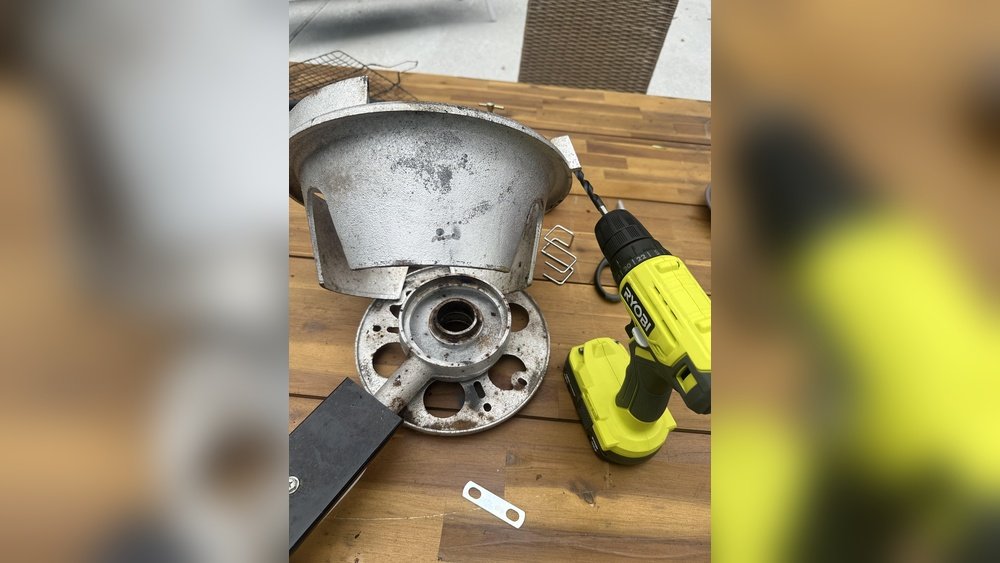
Drilling into cast iron might seem tricky at first, but with the right steps, you can do it safely and effectively. If you’ve ever struggled with cracking or dull bits, this guide is for you.
You’ll learn how to prepare your tools, choose the best drill bits, and avoid common mistakes that could ruin your project. Keep reading, and you’ll gain the confidence to handle cast iron like a pro. Your next project is about to get a whole lot easier.

Credit: www.youtube.com
Choosing The Right Drill Bit
Choosing the right drill bit is key for drilling cast iron safely and cleanly. The wrong bit can cause damage or make the job harder. Knowing the types of bits and their uses helps you pick the best one. This saves time and gives better results.
High-speed Steel Vs Carbide Bits
High-speed steel (HSS) bits are common and affordable. They work well on cast iron but may wear out faster. Carbide bits last longer and stay sharp. They cut through cast iron with less effort. Carbide is best for heavy jobs or thick metal. HSS suits lighter or occasional drilling tasks.
Coatings That Extend Bit Life
Coatings protect drill bits and help them last longer. Titanium nitride (TiN) coating reduces heat and friction. This keeps the bit sharp and cool. Black oxide coating prevents rust and adds durability. Coated bits perform better on tough materials like cast iron. They reduce wear and improve drilling speed.
Size Selection For Accuracy
Choosing the right size bit is important for precise holes. A bit too large can crack the cast iron. Too small may cause extra pressure and break the bit. Match the bit size to your hole requirements. Start with a small pilot hole for better control. Step up to the final size gradually for clean holes.
Credit: www.jimbodetools.com
Preparing The Cast Iron Surface
Preparing the cast iron surface is a key step before drilling. This process ensures accuracy and safety. Proper preparation helps the drill bit stay in place. It also prevents damage to the cast iron and the tool.
Cleaning And Marking Drill Points
Start by cleaning the cast iron surface. Remove dirt, rust, and grease with a wire brush or cloth. A clean surface helps the drill bit grip better. After cleaning, mark the drill points clearly. Use a permanent marker or a sharp tool to make small dots. These marks guide the drill and reduce slipping.
Using Center Punch For Precision
Place a center punch on each drill mark. Tap it lightly with a hammer to make a small dent. This dent keeps the drill bit from wandering. It also improves drilling precision. Use a punch size that matches your drill bit for best results.
Securing The Workpiece
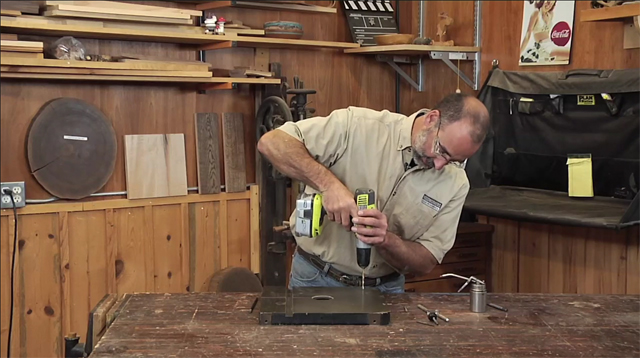
Clamp the cast iron firmly to a workbench or stand. A stable workpiece prevents movement during drilling. Use strong clamps that hold without damaging the surface. Proper securing protects both you and the material. Check stability before starting to drill.
Setting Up The Drill
Setting up the drill properly is key to drilling cast iron safely and efficiently. The right setup helps avoid damage and makes the task easier. Focus on drill speed, lubrication, and the type of drill you use. These factors control heat and ensure smooth drilling.
Selecting Proper Speed
Cast iron is hard and brittle. Using a slow drill speed reduces heat and prevents cracking. Aim for a speed between 100 and 300 RPM. Slower speeds give better control and extend the drill bit life. Avoid high speeds that cause friction and damage the metal.
Using Lubricants To Reduce Heat
Lubricants keep the drill bit cool and reduce wear. Use cutting oil or heavy machine oil. Apply the lubricant often while drilling. It stops overheating and helps chips clear away. Without lubrication, the drill bit dulls quickly and drilling becomes harder.
Choosing Between Handheld And Drill Press
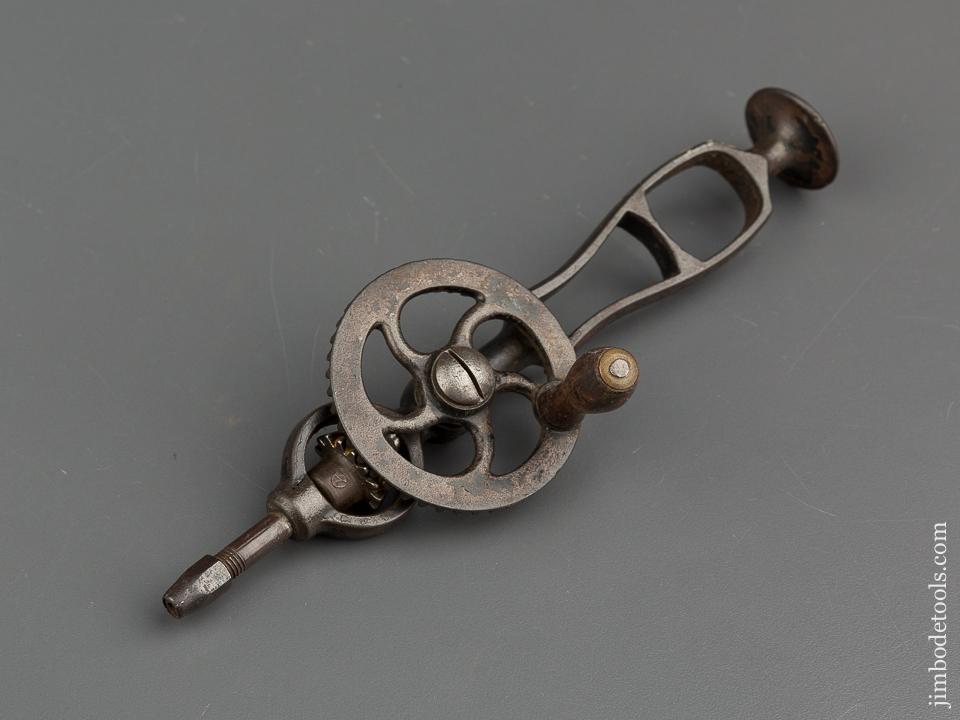
A drill press offers more control and stability. It holds the cast iron firmly and drills straight holes. Handheld drills work for small jobs or hard-to-reach spots. Use clamps to secure the metal if using a handheld drill. Stability reduces accidents and improves hole quality.
Drilling Techniques For Cast Iron
Drilling cast iron requires special care and techniques. The metal is hard and brittle, so mistakes can cause cracks or damage. Using the right methods helps get clean holes and protects your tools. Follow these drilling techniques to work safely and efficiently on cast iron.
Starting With A Pilot Hole
Begin by drilling a small pilot hole. This guides the larger drill bit and keeps it steady. A pilot hole reduces stress on the metal and prevents cracks. Use a sharp bit and drill slowly at first. Mark the spot clearly before starting to avoid slipping.
Applying Steady Pressure
Apply steady, even pressure on the drill. Too much force can break the bit or crack the cast iron. Too little pressure makes the drill slip and wear out. Let the drill do the work. Keep the drill straight and steady for a clean hole.
Managing Heat And Chip Removal
Heat builds up quickly while drilling cast iron. Excess heat can damage both the metal and the drill bit. Use cutting oil or water to cool the area. Stop often to clear metal chips from the hole. Removing chips prevents clogging and overheating.
Safety Tips And Common Mistakes
Drilling cast iron requires care and attention to safety. This material is tough but brittle. Mistakes can cause injury or damage to your workpiece. Following safety tips helps protect you and your tools. Avoiding common errors improves your drilling results and prevents costly problems.
Protective Gear Recommendations
Wear safety glasses to protect your eyes from flying metal chips. Use gloves to shield your hands from sharp edges and hot surfaces. Hearing protection helps reduce noise from the drill. Wear a dust mask if you create fine dust during drilling. Use sturdy clothing and closed-toe shoes to guard your body and feet.
Avoiding Bit Breakage
Use the right drill bit for cast iron, like a carbide or cobalt bit. Start with a small pilot hole to guide the larger bit. Drill at a slow speed to reduce heat and stress on the bit. Apply steady pressure but do not force the drill. Keep the bit cool by using cutting oil or water.
Preventing Cracks And Damage
Clamp the cast iron securely to stop movement during drilling. Mark the drilling spot clearly to avoid slipping. Do not drill too close to edges or thin sections. Use a backing material, like wood, to support the cast iron. Take breaks if the metal gets too hot to prevent cracks.
Post-drilling Care
After drilling cast iron, proper care is important to keep the work clean and safe. Post-drilling care helps protect the metal and tools. It also ensures the holes are ready for the next steps in your project. Follow simple steps to clean, inspect, and maintain everything properly.
Cleaning And Deburring Holes
Remove metal shavings and dust from the holes right away. Use a brush or cloth to clean the area. Deburr the edges with a file or deburring tool. This prevents sharp edges that can cause injuries or damage.
Inspecting For Flaws
Check the holes for cracks, chips, or uneven surfaces. Look closely for any signs of damage. Fix small flaws before continuing. Catching problems early saves time and effort later.
Maintaining Tools For Longevity
Clean your drill bits and tools after each use. Remove metal particles and oil the bits lightly. Store tools in a dry place to avoid rust. Proper care keeps tools sharp and ready for future jobs.
Credit: www.wwgoa.com
Frequently Asked Questions
What Drill Bit Works Best For Cast Iron?
A cobalt or carbide-tipped drill bit is ideal for cast iron. These bits stay sharp longer and handle heat well. Avoid high-speed bits to prevent damage and overheating during drilling.
How Do I Prevent Cast Iron From Cracking?
Use a slow drill speed and steady pressure. Apply cutting oil to reduce heat and friction. Always secure the cast iron firmly before drilling.
Should I Pre-drill A Pilot Hole In Cast Iron?
Yes, pre-drilling a small pilot hole helps guide the larger bit. It reduces stress and prevents cracking during the main drilling process.
Can I Use A Regular Drill For Cast Iron?
A regular drill can work if fitted with the right bit and used at low speed. However, a drill press offers better control and accuracy for cast iron.
Conclusion
Drilling cast iron requires care and the right tools. Use sharp drill bits and keep the metal cool. Work slowly to avoid cracks or damage. Always wear safety gear to protect yourself. With patience, you can drill clean holes easily.
Practice on scrap pieces before starting your project. This way, you gain confidence and better results. Remember, steady hands and proper technique make all the difference. Now, you are ready to handle cast iron safely and effectively.
