


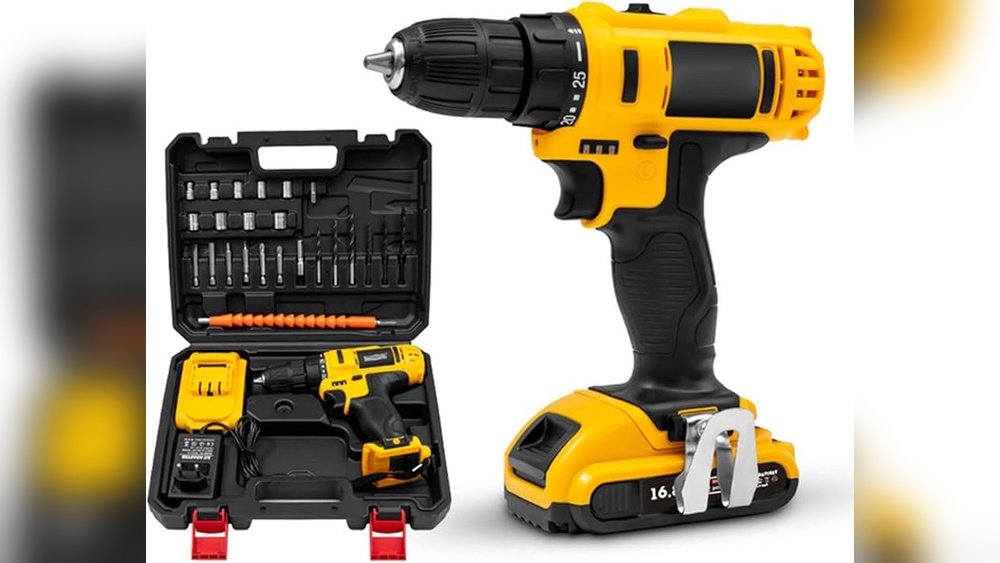
Are you struggling to get the perfect speed from your drill driver? Using the right speed can make your work smoother, faster, and safer.
Whether you’re drilling into wood, metal, or plastic, adjusting your drill driver speed correctly is key to getting the job done right. You’ll learn simple, step-by-step tips to control your drill driver speed like a pro. Keep reading, and you’ll discover how a small adjustment can make a big difference in your projects.

Credit: www.amazon.com
Choosing The Right Speed
Choosing the right speed for your drill driver is important for a good result. The speed affects how well the drill works and the quality of the job. Using the correct speed helps prevent damage to the tool and the material.
Low Speed Uses
Low speed is best for tough jobs. It gives more power and control. Use low speed when drilling into metal or hard wood. It helps avoid overheating and tool wear. Low speed is also good for driving large screws. It stops the drill from slipping or stripping the screw head.
High Speed Applications
High speed works well on soft materials. It makes drilling faster and easier. Use high speed for wood, plastic, or thin metal. High speed can make clean holes quickly. It is good for small screws and light drilling tasks. But be careful not to use high speed on hard materials.
Matching Speed To Material
Each material needs the right speed for best results. Hard materials need low speed and more power. Soft materials need high speed and less force. Check the material type before setting your drill speed. Adjust the speed to avoid damage or poor holes. Matching speed to material extends your tool’s life.
Credit: www.walmart.com
Drill Driver Speed Settings
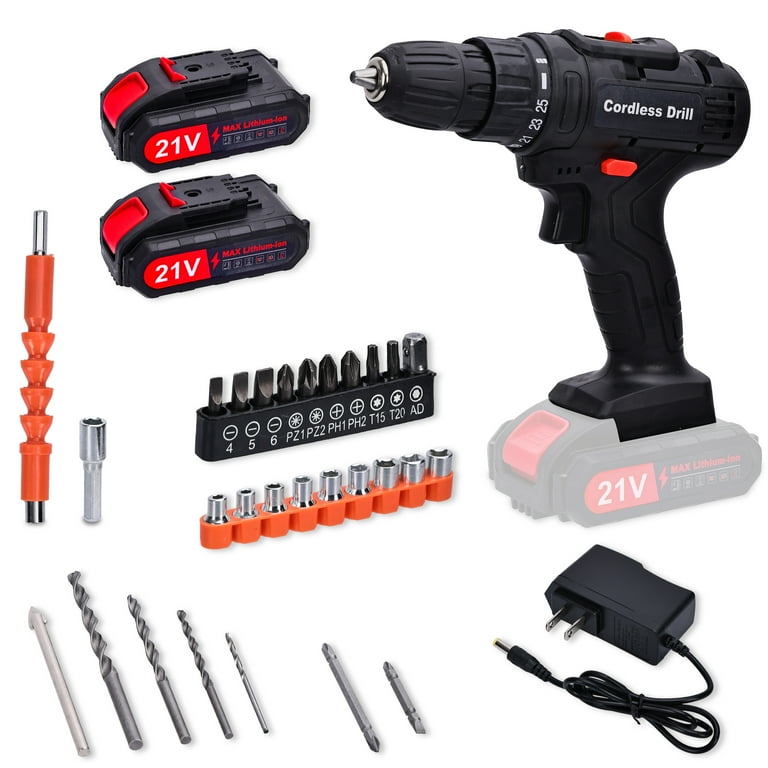
Drill driver speed settings control how fast the drill spins. These settings help you work on different materials safely and efficiently. Choosing the right speed improves your control and makes your job easier. Understanding the main speed controls will help you adjust your drill correctly.
Variable Speed Triggers
Variable speed triggers let you change speed by pressing the trigger. Press lightly for a slow spin. Press harder to increase speed. This control helps you start drilling slowly and gain more speed as needed. It gives better control for delicate tasks.
Speed Selector Switch
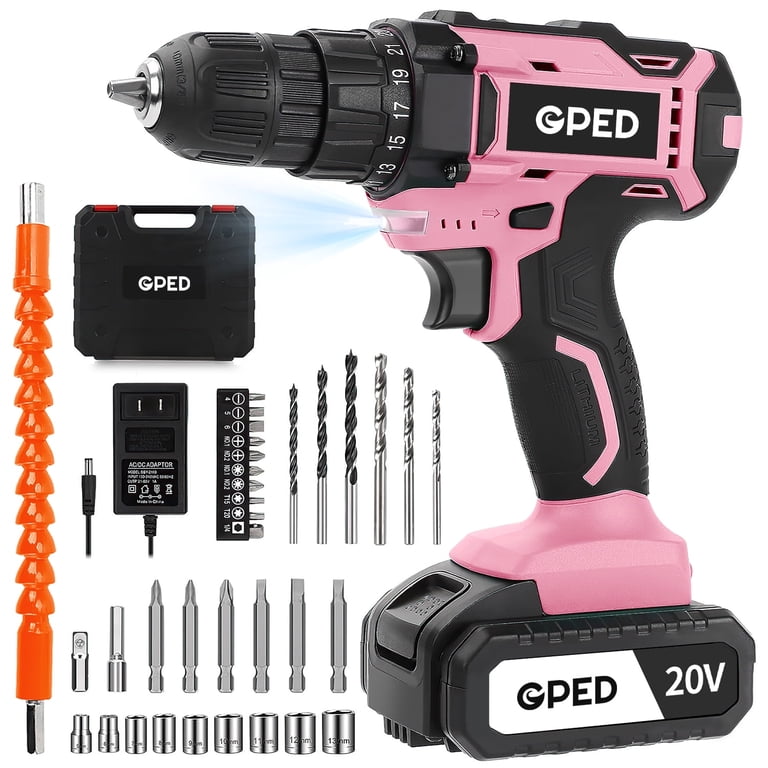
The speed selector switch sets fixed speed levels. Usually, drills have two speed settings: low and high. Low speed is for tough jobs needing more power. High speed works best for fast drilling in soft materials. Flip the switch to choose the right speed before starting.
Gear Options
Gears change the drill’s speed and torque. Lower gears provide more torque but slower speed. Higher gears give faster spinning but less power. Use lower gear for screws and hard materials. Higher gear works for drilling holes in wood or plastic.
Techniques For Speed Adjustment
Adjusting the speed of a drill driver helps control the tool better. It affects the quality of work and safety. Using the right technique makes your task easier and more precise. Here are some simple ways to manage drill driver speed effectively.
Gradual Speed Increase
Start drilling slowly to avoid slipping or damaging material. Gently press the trigger and let the drill pick up speed. Increase speed step-by-step instead of pushing full throttle at once. This helps keep control and prevents mistakes.
Maintaining Consistent Pressure
Apply steady pressure while drilling to keep speed stable. Pressing too hard can cause the drill to slow or stall. Too little pressure might make the drill slip. Find a balance to keep the speed even and smooth.
Using Pulse Control
Pulse control means tapping the trigger lightly and repeatedly. This helps manage speed in tight or delicate spots. It gives more control over drilling depth and torque. Use pulsing to avoid damage and keep the drill steady.
Improving Precision With Speed Control
Controlling the speed of your drill driver helps you work with more accuracy. Lower speeds give you better control for detailed tasks. Higher speeds are good for quick drilling but can cause mistakes.
Adjusting speed lets you match the drill to the material and task. This improves the quality of your work and keeps your tools safe.
Preventing Overdriving
Overdriving happens when the drill goes too deep or fast. It can ruin your workpiece and waste screws. Slower speeds help you stop at the right depth. You avoid pushing screws too far, keeping your project neat.
Avoiding Material Damage
Different materials need different speeds. Wood drills well at medium speed. Metal needs slower drilling to avoid heat and burns. Adjust speed to match the material and protect it from cracks or melting.
Enhancing Bit Longevity
High speeds make drill bits wear out fast. Heat and friction break bits quickly. Using the right speed reduces wear and saves money. Your bits last longer and stay sharp for many jobs.
Troubleshooting Speed Issues
Drill driver speed issues can disrupt your work and cause frustration. Understanding common problems helps you fix them quickly. Sometimes, simple checks and adjustments restore proper speed. Other times, professional help is needed.
Common Speed Problems
Drill driver speed may be too slow or too fast. The speed might change unexpectedly during use. Sometimes, the drill won’t reach the highest speed at all. These issues often come from worn parts or dirt inside the tool. Battery problems can also cause speed drops.
Fixing Speed Inconsistencies
Check the battery charge and replace it if needed. Clean the drill’s vents and motor area carefully. Tighten or replace worn brushes inside the motor. Adjust the speed control dial or switch to ensure it moves freely. Lubricate moving parts lightly to reduce friction.
When To Seek Professional Help
If the drill driver still has speed problems after basic fixes, get expert help. Complex motor or wiring issues need a professional technician. Avoid using the drill if it overheats or makes strange noises. Professionals can safely repair or replace damaged parts.
Credit: www.walmart.com
Frequently Asked Questions
How Do I Change The Speed On A Drill Driver?
To change drill driver speed, use the speed selector switch near the trigger. Low speed suits heavy tasks; high speed is for light drilling.
Why Is Adjusting Drill Speed Important?
Adjusting speed improves control, prevents damage, and ensures cleaner holes. Different materials require different speeds for effective drilling.
What Speed Is Best For Wood Drilling?
Use a high speed setting for wood to drill quickly and cleanly. Lower speeds may cause burning or rough holes.
Can Drill Speed Affect Battery Life?
Yes, higher speeds drain battery faster. Using the appropriate speed helps conserve battery and extends tool runtime.
Conclusion
Adjusting drill driver speed helps you work safely and efficiently. Start slow for delicate tasks and increase speed for tougher jobs. Always check your drill’s settings before use. Practice makes controlling speed easier and more natural. With these tips, you can handle any project better.
Keep your tools in good shape for smooth operation. Small steps lead to better results every time. Try adjusting speed on simple tasks first. Soon, it will feel like second nature.
