


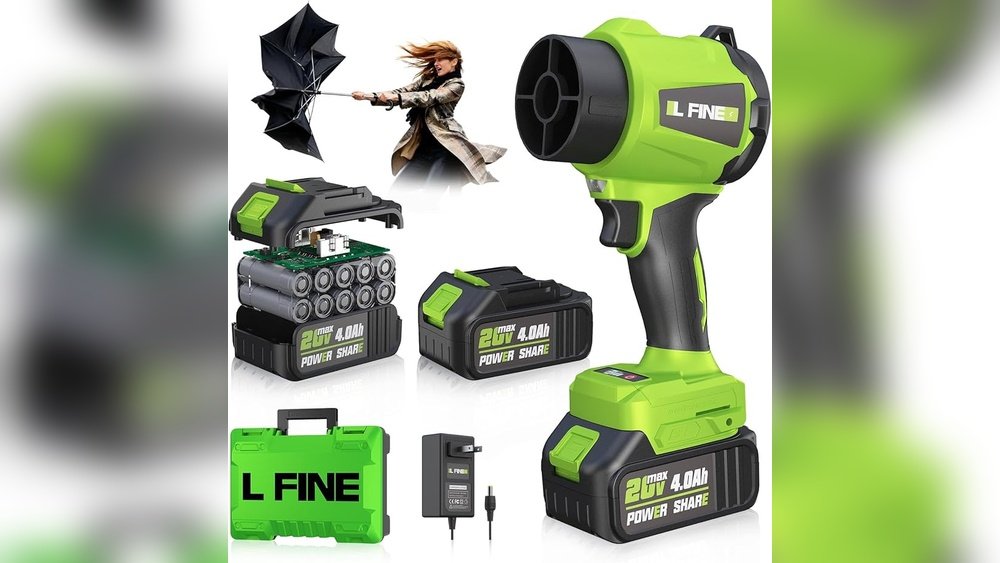
Your cordless drill is only as powerful as its battery. If you want your drill to work efficiently every time you pick it up, caring for the battery is key.
You might not realize it, but simple habits can make a huge difference in how long your battery lasts and how well it performs. Imagine never having to worry about your drill dying halfway through a job. You’ll discover easy and effective ways to take care of your cordless drill batteries.
Keep reading, and you’ll learn tips that save you time, money, and frustration.

Credit: www.pawnamerica.com
Choosing The Right Battery
Choosing the right battery is key for cordless drill performance. It affects how long your drill runs and how powerful it feels. Knowing what types of batteries fit your needs helps you work better and longer. Understanding battery capacity and voltage guides you to the best choice for your projects.
Types Of Cordless Drill Batteries
Cordless drills use mainly three battery types: Nickel-Cadmium (NiCd), Nickel-Metal Hydride (NiMH), and Lithium-Ion (Li-Ion). NiCd batteries are older and heavier but affordable. NiMH batteries hold more charge than NiCd but lose power faster. Li-Ion batteries are the newest and most popular. They are light, hold charge longer, and charge faster. Most new drills use Li-Ion batteries for better performance.
Battery Capacity And Voltage
Battery capacity shows how long the drill runs on one charge. It is measured in ampere-hours (Ah). Higher Ah means longer work time but may add weight. Voltage tells how much power the drill has. Common voltages range from 12V to 20V. Higher voltage means more torque and drilling strength. Choose a battery with the right balance of capacity and voltage for your tasks.
Proper Charging Practices
Proper charging practices help keep your cordless drill batteries healthy. They extend battery life and improve performance. Charging the battery correctly avoids damage and saves money on replacements. Follow these simple steps to charge your batteries the right way.
Using The Correct Charger
Always use the charger that came with your drill. Chargers are made for specific battery types. Using the wrong charger can cause poor charging or damage. Check the voltage and connector match before charging. A correct charger keeps the battery safe and efficient.
Avoiding Overcharging
Remove the battery from the charger once it is full. Overcharging heats the battery and reduces its life. Most modern chargers stop charging automatically. Still, do not leave batteries charging for days. Regularly check the battery status to prevent overcharge.
Charging Temperature Tips
Charge batteries at room temperature for best results. Too hot or too cold affects charging speed and battery health. Avoid charging in direct sunlight or freezing places. Keep the battery in a cool, dry spot during charging. This helps keep the battery working longer.
Storage Guidelines
Proper storage of cordless drill batteries keeps them healthy and ready for use. Poor storage can reduce battery life and cause damage. Follow simple steps to store batteries safely and maintain their power.
Ideal Storage Conditions
Store batteries in a cool, dry place away from direct sunlight. Avoid hot areas like near heaters or windows. High temperatures harm battery cells and reduce capacity.
Keep batteries at a moderate temperature, ideally between 50°F and 70°F (10°C to 21°C). Avoid freezing temperatures as well. Moisture can cause corrosion, so keep batteries dry.
Long-term Storage Tips
Charge batteries to about 40%-60% before storing them for a long time. Avoid storing fully charged or fully drained batteries. This charge level helps preserve battery health.
Check batteries every few months. Recharge them to the recommended level if needed. This prevents deep discharge, which can damage batteries permanently.
Avoiding Battery Drain
Remove batteries from the drill during storage to stop slow power loss. Batteries can drain even when not in use. Storing batteries separately helps maintain their charge.
Turn off any connected devices or chargers. Use original chargers only. This prevents unnecessary drain and keeps batteries ready for the next job.
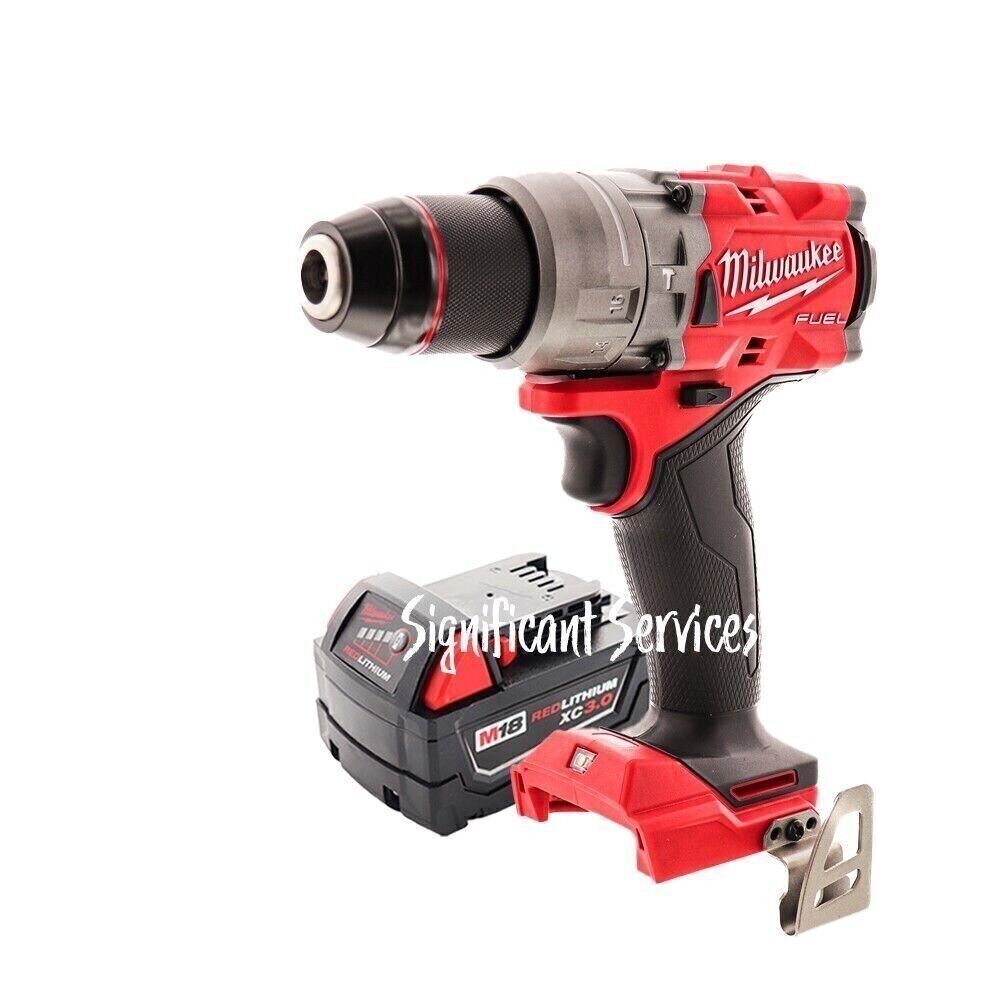
Credit: www.ebay.com
Regular Maintenance Steps
Regular maintenance keeps cordless drill batteries working well for a long time. Simple steps help avoid common problems like poor power or quick draining. These easy checks protect your battery and save money.
Cleaning Battery Contacts
Dirty contacts cause bad connections and slow charging. Use a dry cloth or soft brush to clean the metal parts. Avoid water or liquids that can cause damage. Clean contacts improve power flow and charging speed.
Inspecting For Damage
Look closely at the battery for cracks, leaks, or swelling. Damaged batteries can be unsafe and stop working. Replace any battery showing physical damage to avoid risk. Regular checks catch problems early and keep you safe.
Balancing Battery Cells
Battery cells can lose balance over time, lowering performance. Use a charger that balances cells during charging. Balanced cells hold power longer and last more charge cycles. Cell balancing improves battery life and tool reliability.
Maximizing Battery Lifespan
Maximizing the lifespan of cordless drill batteries helps save money and ensures better performance. Proper care keeps the battery healthy and ready for use. Simple habits can extend battery life significantly. Follow these tips to keep your batteries working longer.
Optimal Usage Patterns
Use the battery regularly but avoid draining it completely. Charge it after moderate use, not only when it is empty. Avoid using the drill at full power for long periods. Let the battery cool down between heavy tasks. This prevents overheating and damage.
Preventing Deep Discharge
Never let the battery drain to zero. Deep discharge can harm the battery cells. Charge the battery before it gets too low. Store batteries with a partial charge, around 40-60%. This keeps cells stable and avoids performance loss.
Rotating Batteries
Have more than one battery if possible. Use them one after another to balance wear. Rotate batteries regularly to avoid overusing one. Store unused batteries properly in a cool, dry place. This practice keeps all batteries healthy and ready.
Troubleshooting Battery Issues
Battery issues can stop your cordless drill from working well. Knowing how to spot and fix these problems saves time and money. Troubleshooting helps you understand what is wrong and what to do next.
Common Battery Problems
Drill batteries may lose charge quickly or not charge at all. Sometimes the drill runs slower or stops suddenly. Batteries can also overheat or swell, which is unsafe. These signs show the battery needs attention or repair.
When To Replace Batteries
Replace batteries if they no longer hold charge. If the drill stops working after full charging, it is time for a new battery. Swollen or damaged batteries must be replaced immediately to avoid hazards. Old batteries lose power and reduce tool performance.
Reconditioning Old Batteries
Reconditioning can bring some old batteries back to life. It involves fully charging and then discharging the battery several times. This process helps reset the battery’s memory and improves performance. Not all batteries can be reconditioned, but trying it can extend battery life.
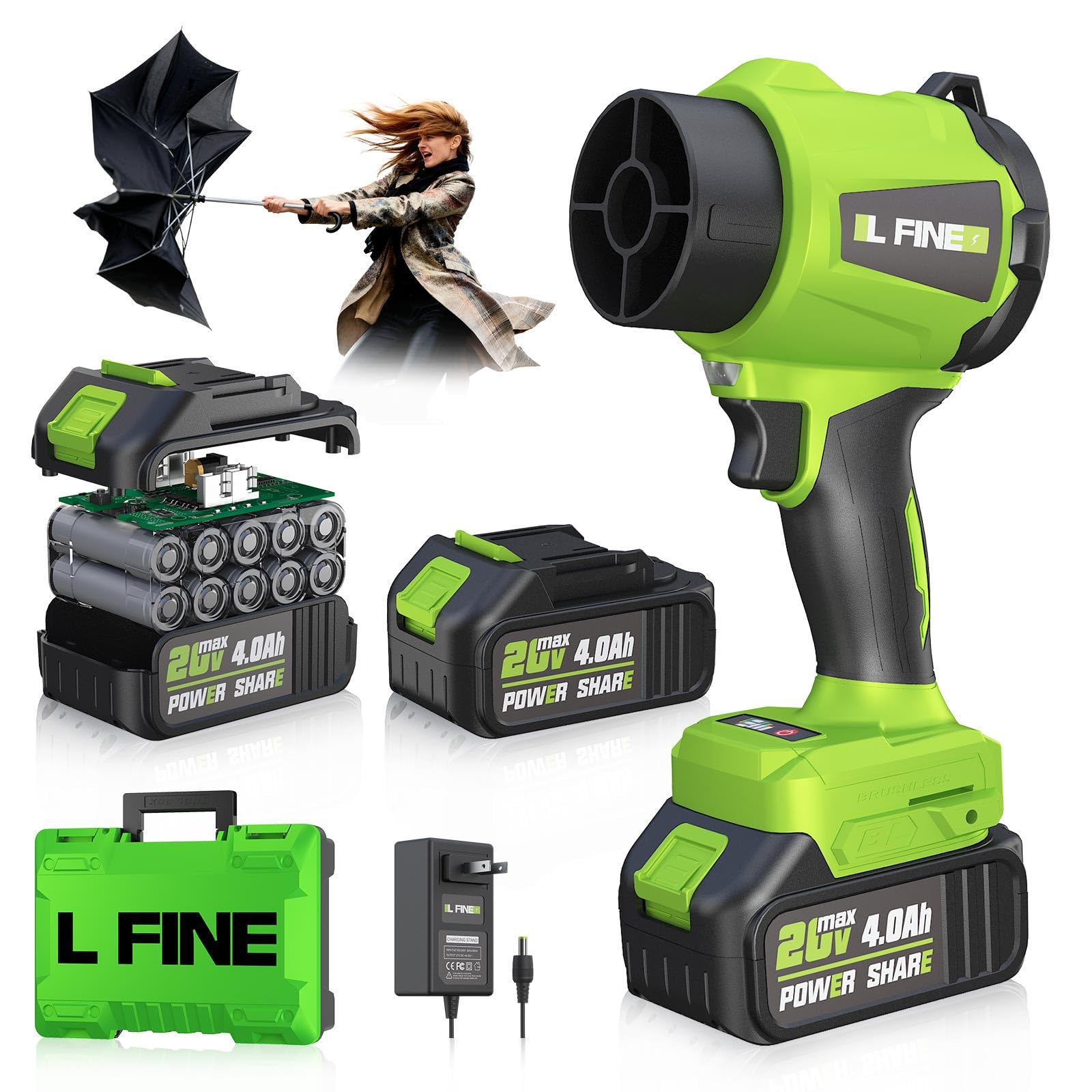
Credit: www.amazon.com
Frequently Asked Questions
How Often Should I Charge Cordless Drill Batteries?
Charge your cordless drill batteries after each use or when power is low. Avoid letting them fully discharge. Regular charging maintains battery health and performance.
What Is The Best Way To Store Cordless Drill Batteries?
Store batteries in a cool, dry place away from direct sunlight. Keep them partially charged (around 40-60%) to extend battery life and prevent damage.
Can I Use Any Charger For Cordless Drill Batteries?
Always use the charger designed for your specific battery model. Using the wrong charger can damage the battery or reduce its lifespan.
How Do I Clean Cordless Drill Battery Contacts?
Clean battery contacts with a dry cloth or soft brush to remove dirt and debris. This ensures better connection and efficient charging.
Conclusion
Proper care keeps cordless drill batteries working longer. Charge them fully but avoid overcharging. Store batteries in cool, dry places. Clean battery contacts regularly for better connection. Avoid dropping or exposing batteries to extreme heat. Using these simple steps saves money and time.
Your drill stays ready for any job. Small habits make a big difference in battery life. Keep these tips in mind for reliable power every time.
