


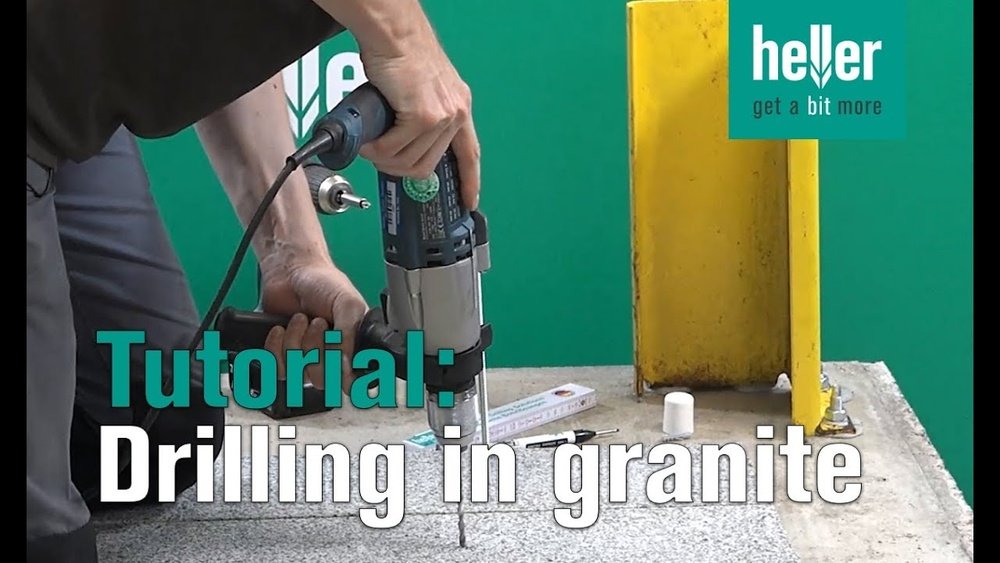
Drilling a small hole in granite might seem tricky, but with the right tools and steps, you can do it yourself without stress. Whether you want to hang a decoration or install a fixture, knowing how to handle granite safely saves you time and money.
In this guide, you’ll discover simple tips to drill accurately without cracking or damaging the stone. Keep reading, and you’ll gain the confidence to take on your project like a pro.
Choosing The Right Drill
Choosing the right drill is key to drilling a small hole in granite safely and effectively. Granite is hard and can break if you use the wrong tools. Picking the right drill helps you work faster and avoid damage. Use a drill that can handle tough materials like granite. The drill should offer good control and steady power.
Types Of Drills Suitable For Granite
Corded drills provide steady power for hard surfaces. They do not lose strength during use. Cordless drills are handy but may lack power for granite. Hammer drills add a small hammering action. This helps break the granite as you drill. Rotary drills spin the bit smoothly. They are good for small holes. A drill with variable speed control is best. It lets you start slow and speed up carefully.
Drill Bit Selection
Use diamond-tipped drill bits for the hardest granite. Diamond bits cut through the stone without cracking it. Carbide-tipped bits work for softer granite but wear out faster. Choose a bit size slightly smaller than your hole. This helps keep the hole clean and precise. Always use water to cool the bit. Cooling stops the bit from overheating and breaking.

Credit: www.youtube.com
Preparing The Granite Surface
Preparing the granite surface is the first step to drill a small hole successfully. It helps protect the stone and ensures accuracy. Taking time to prepare makes the drilling process smoother and safer.
Cleaning The Area
Start by cleaning the granite where you want to drill. Use a soft cloth and mild soap to remove dust and dirt. Dirt can cause the drill bit to slip or damage the granite. Dry the area completely before marking the spot.
Marking The Drill Spot
Mark the exact spot on the granite where the hole will go. Use a pencil or a marker that shows well on granite. Place a small piece of tape over the spot to prevent the drill from slipping. Marking clearly helps you drill precisely.
Safety Measures
Drilling a small hole in granite needs careful attention to safety. Granite is hard and can cause accidents if not handled properly. Taking safety steps protects your body and the workspace.
Protective Gear
Wear safety goggles to protect your eyes from dust and chips. Use a dust mask to avoid breathing in fine granite particles. Gloves help protect your hands from sharp edges and the drill bit. Wear ear protection if the drill noise is loud. Choose sturdy shoes to protect your feet from falling tools or debris.
Workspace Setup
Work in a well-lit area to see clearly. Keep your workspace clean and free of clutter. Secure the granite piece firmly with clamps to prevent movement. Use a stable surface to avoid slips or wobbling. Ensure the drill’s power cord is out of the way to prevent tripping. Proper setup helps maintain control and reduces risk of injury.

Credit: graniteselection.com
Drilling Techniques
Drilling a small hole in granite requires special techniques to avoid cracks and damage. Granite is a very hard stone, so drilling needs patience and care. Using the right method helps you get clean holes and protects your tools.
Two key techniques help during drilling: controlling speed and pressure, and keeping the drill bit cool. Both are important for safety and good results.
Using Low Speed And Steady Pressure
Drill slowly to avoid overheating and cracking the granite. High speed can cause the drill bit to slip or break. Use steady, gentle pressure to let the drill bit cut through the stone.
Do not push too hard. Let the drill do the work. Stop often to check progress and avoid damage. This method helps keep control and accuracy.
Cooling Methods To Prevent Overheating
Drilling creates heat, which can ruin the drill bit and crack granite. Cooling the drill bit is essential. Water is the best cooling method.
Use a small stream of water on the drill area. You can also dip the drill bit in water often. Cooling keeps the bit sharp and the granite safe.
Some people use ice packs or cool air, but water is easiest and most effective. Stay patient and cool the drill bit regularly.
Troubleshooting Common Issues
Drilling a small hole in granite can be tricky. Problems like cracks, chips, and worn drill bits often appear. Knowing how to fix these issues saves time and money. This section covers common troubles and how to solve them.
Avoiding Cracks And Chips
Granite is hard but brittle. It cracks or chips if drilled too fast or with too much pressure. Use a slow speed drill to keep control. Let the drill bit do the work without pushing hard. Wet the area with water to cool the bit and reduce dust. Place tape over the spot to stop chips from spreading. Drill in short bursts to prevent heat build-up. These steps help keep the granite intact and smooth.
Dealing With Drill Bit Wear
Drill bits wear out quickly on granite. A dull bit slows progress and causes more problems. Check the bit often for dullness or damage. Use a diamond-tipped bit for best results. Replace worn bits to keep the hole clean and precise. Clean the bit and keep it cool with water during drilling. Proper care extends bit life and improves drilling quality.
Finishing Touches
Finishing touches are key after drilling a small hole in granite. They help keep the granite looking good and lasting long. Taking care of the hole and the surrounding area protects the surface from damage and dirt.
Cleaning The Hole
Start by removing dust and debris from the hole. Use a small brush or compressed air to clear out particles. Wipe around the hole with a damp cloth to remove leftover dust. Make sure the area is dry before moving to the next step. Clean holes help sealants stick better and prevent future problems.
Sealing And Protecting The Granite
Apply a granite sealer inside and around the hole. Use a small brush or applicator for precise work. The sealer stops water and dirt from entering the stone. Let the sealer dry fully according to the instructions. This step keeps the granite strong and looking new over time.

Credit: www.wikihow.com
Frequently Asked Questions
What Tools Do I Need To Drill A Small Hole In Granite?
You need a diamond-tipped drill bit, a power drill, water for cooling, and safety goggles. These tools ensure precision and protect your equipment and yourself during drilling.
How Do I Prevent Granite From Cracking While Drilling?
Use a slow drill speed and steady pressure. Keep the drill bit wet with water to reduce heat and avoid cracks. Start with a small pilot hole for better control.
Can I Drill A Small Hole In Granite Without A Diamond Bit?
No, a diamond-tipped bit is essential. Granite is very hard, and regular bits will wear out or break. Diamond bits provide the strength and durability needed for clean drilling.
How Long Does It Take To Drill A Small Hole In Granite?
Drilling a small hole usually takes 5 to 10 minutes. Time varies based on granite hardness and drill speed. Patience and steady technique improve results and prevent damage.
Conclusion
Drilling a small hole in granite takes patience and the right tools. Always choose a diamond-tipped drill bit for the best results. Keep the drill steady and use water to cool the bit. Take breaks to avoid overheating. With care, you can make a clean hole without cracks.
Practice on scrap pieces before working on your project. This method helps you drill granite safely and effectively every time.
