

If you’ve ever struggled with attaching a socket to your impact driver, you’re not alone. Getting this right can save you time and prevent damage to your tools.
In this guide, you’ll learn exactly how to put a socket on an impact driver quickly and safely. Whether you’re a DIY enthusiast or a professional, mastering this simple step will make your work smoother and more efficient. Keep reading—you’re just moments away from making your impact driver even more powerful and versatile.

Credit: www.reddit.com
Choosing The Right Socket
Choosing the right socket for your impact driver is important for safety and performance. The right socket fits well and handles the power of the tool. Using the wrong socket can cause damage or make your job harder. Here are key points to consider when picking a socket.
Types Of Sockets Compatible With Impact Drivers
Impact drivers need sockets made for high torque. Impact sockets have thicker walls than regular sockets. They are designed to handle strong impacts without cracking.
These sockets often have a black oxide or phosphate finish. This protects them from rust and wear. Avoid using standard chrome sockets. They can break under heavy impact.
Look for sockets labeled “impact” or “impact rated.” These ensure safe use with impact drivers.
Material And Durability Considerations
Impact sockets are usually made from chrome molybdenum steel. This material is strong and lasts longer. It resists wear better than chrome vanadium steel, used in regular sockets.
Durability matters because impact drivers deliver quick, strong bursts. A weak socket may chip or crack. Choose sockets that are heat-treated for extra strength.
Check for quality marks or standards on the socket packaging. This shows the socket meets safety and strength requirements.
Size Selection Tips
Picking the right size socket is key for good grip. Too loose or too tight can damage the fastener or socket.
Measure the bolt or nut across the flats. Match this measurement to the socket size. Sizes are usually in millimeters or inches.
Have a set of sockets to cover various sizes. This saves time and avoids using the wrong socket.
Double-check the fit before using the impact driver. A secure fit improves control and reduces wear.

Credit: www.youtube.com
Preparing Your Impact Driver
Preparing your impact driver is an important first step before attaching a socket. It ensures the tool works properly and stays safe during use. Taking time to get ready helps avoid damage and improves your work experience.
Checking The Driver’s Chuck Type
Start by identifying the type of chuck on your impact driver. Most impact drivers use a hex chuck, which fits hex-shank bits and sockets. Some models may have a quick-release mechanism or a traditional chuck. Knowing the chuck type helps you select the right socket and attach it easily.
Look closely at the chuck opening. If it has a collar, you might need to pull it back to insert the socket. If it is a quick-release, pressing the collar releases the bit. Confirm these details before moving forward.
Safety Precautions Before Installation
Always turn off the impact driver and remove the battery before adding a socket. This prevents accidental starts that can cause injury. Wear safety glasses to protect your eyes from any flying debris.
Check the socket size matches your driver and the job. Using the wrong socket can damage both the tool and the fastener. Keep your workspace clean and clear to avoid tripping hazards while working.
Attaching The Socket
Attaching the socket to an impact driver is a simple but important step. It ensures the tool works safely and effectively. A properly attached socket holds tight and delivers the right torque. This section explains how to attach the socket correctly.
Step-by-step Socket Installation
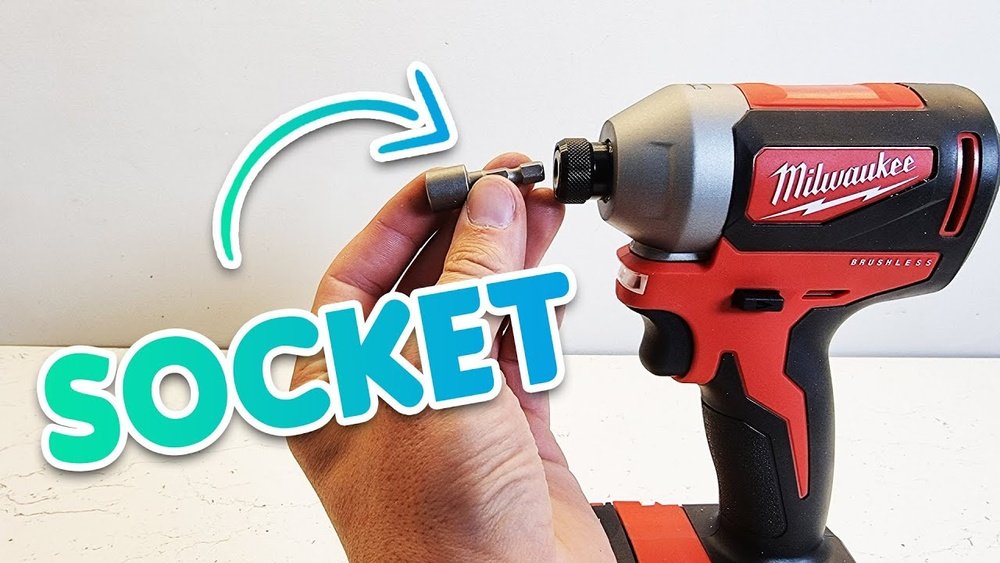
First, select the right socket size for your job. Match it to the bolt or nut you want to turn. Hold the impact driver firmly in one hand. With the other hand, push the socket onto the driver’s square drive. Make sure it slides all the way onto the driver. You may hear a click or feel it snap into place.
Check the socket for any damage before attaching. A cracked or worn socket can be unsafe. Replace it if needed. Also, clean the driver’s square drive to remove dirt or debris. This helps the socket fit better and last longer.
Securing The Socket Properly
After the socket is on, test if it is secure. Pull gently on the socket to see if it stays in place. It should not come off easily. Use a retaining ring or detent pin if your driver has one. These parts lock the socket firmly on the driver.
Never force a socket that feels loose or too tight. This can damage the tool or the socket. If the socket does not fit well, try a different size or type. Properly secured sockets improve your work’s safety and quality.
Using Socket Adapters
Using socket adapters makes your impact driver more flexible. These small tools help connect sockets that don’t fit directly. You can work with different socket sizes without buying new tools. Socket adapters save time and money while improving your tool’s usability.
When To Use Adapters
Use socket adapters when your socket size is different from the driver’s. For example, a 1/4-inch driver needs a 3/8-inch socket. Adapters allow this connection. They also help when switching between impact drivers and regular drills. This way, you avoid damage and keep the tool safe.
Installing Adapters On Your Driver
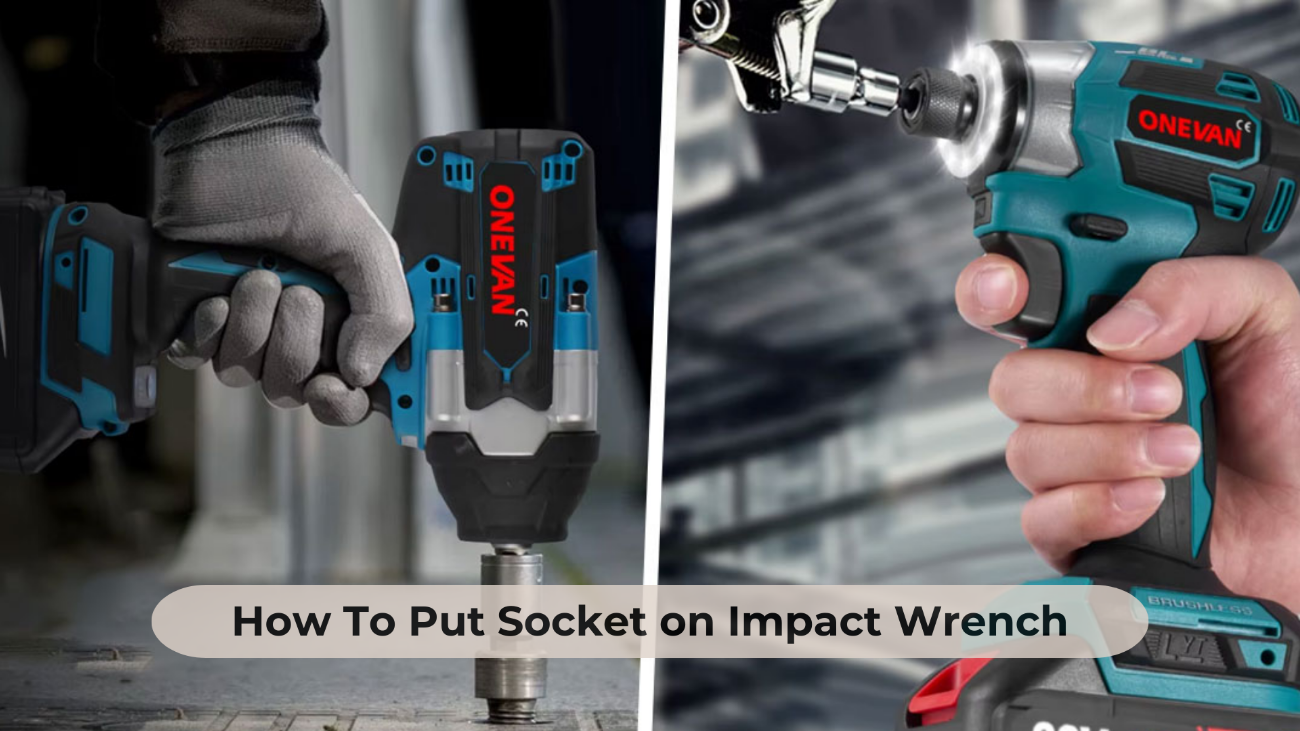
First, choose the right adapter size for your socket and driver. Hold the adapter firmly and push it into the driver’s chuck or square drive. It should fit tightly without wobbling. Next, attach the socket to the other end of the adapter. Make sure it locks securely before use. Check the fit to prevent slipping during work.
Common Mistakes To Avoid
Putting a socket on an impact driver may seem simple. Still, many people make mistakes that cause damage or slow down their work. Avoiding these errors helps you work safely and efficiently. Below are the common mistakes to watch out for.
Forcing The Socket
Do not push the socket too hard onto the driver. Forcing can damage the socket or the tool’s chuck. The socket should slide on smoothly with little effort. If it does not fit, check the size or clean the parts. Forcing may cause the socket to get stuck or break.
Using Incorrect Sizes
Always use the right size socket for your impact driver. A socket too large or too small will not fit correctly. This can cause slipping or rounding of bolts. Using the correct size protects both the tool and the fastener. Double-check the socket size before attaching it to the driver.
Ignoring Safety Measures
Safety is important when working with power tools. Always wear safety glasses to protect your eyes. Keep your hands away from the rotating parts. Make sure the impact driver is off before changing sockets. Ignoring safety rules increases the risk of injury.
Credit: onevantool.com
Maintaining Your Impact Driver And Sockets
Maintaining your impact driver and sockets helps them last longer and work better. Regular care keeps them safe and ready for tough jobs. Simple steps protect your tools from damage and rust. Proper upkeep also saves money by avoiding early replacements.
Cleaning And Storage Tips
After use, wipe your impact driver and sockets with a clean cloth. Remove dirt, dust, and grease to stop buildup. Use a small brush to clean tight spots. Avoid water or harsh chemicals that can cause rust. Store tools in a dry place to keep them safe. A toolbox or drawer works well to protect from moisture.
Regular Inspection For Wear And Tear
Check sockets and your impact driver often for cracks or damage. Look for worn edges or bent parts that affect performance. Replace any damaged parts quickly to avoid accidents. Make sure the socket fits tightly on the driver. Loose sockets can slip and cause injury. Regular checks keep your tools safe and effective.
Frequently Asked Questions
How Do I Attach A Socket To An Impact Driver?
First, ensure the impact driver is off. Pull back the collar on the driver’s chuck. Insert the socket into the chuck and release the collar to lock it in place. Check that the socket is securely attached before use.
Can All Sockets Fit On An Impact Driver?
Not all sockets fit an impact driver. Use impact-rated sockets designed for high torque. Standard sockets may crack or break. Always choose sockets that match the driver’s square drive size for a secure fit.
What Size Socket Fits A Typical Impact Driver?
Most impact drivers use a 1/4-inch or 1/2-inch square drive. Confirm your impact driver’s drive size before purchasing sockets. Using the correct size ensures proper fit and prevents damage during use.
How Do I Remove A Socket From An Impact Driver?
To remove, pull back the chuck collar on the impact driver. While holding the collar back, pull the socket off the driver’s square drive. Store sockets properly to avoid damage and maintain performance.
Conclusion
Putting a socket on an impact driver is simple and quick. Just follow the steps carefully to avoid mistakes. Make sure the socket fits tightly on the driver. This helps you work safely and effectively. Practice a few times to get comfortable with the process.
Using the right tools saves time and effort. Keep your impact driver and sockets clean for better performance. With this skill, you can handle many repair tasks at home. Try it out and see how easy it can be.
