

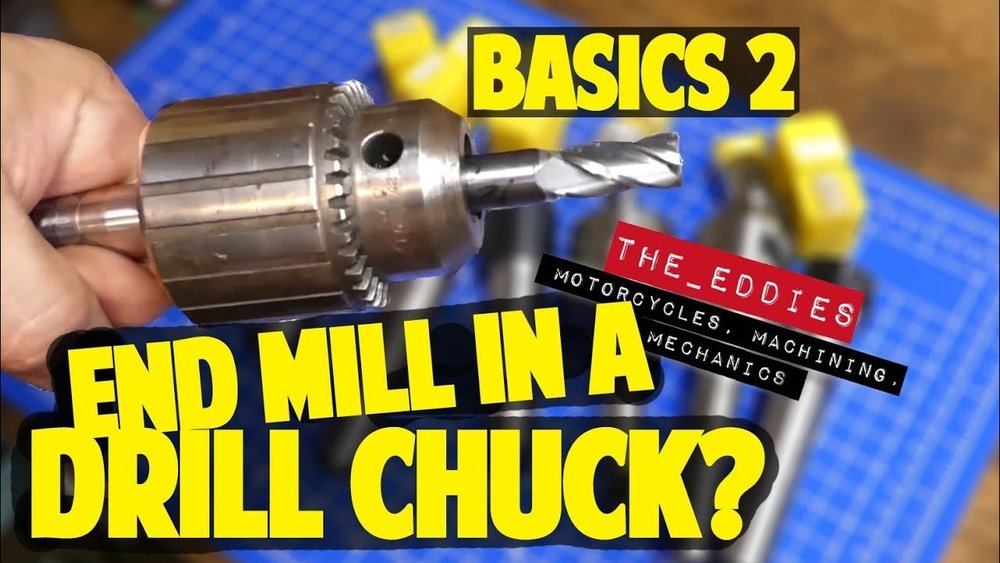
Have you ever wondered if you can use an end mill in your drill press? If you’re looking to expand the capabilities of your tools without buying new equipment, this question is probably on your mind.
Using an end mill in a drill press might seem like a simple way to save time and money, but there are important things you need to know before trying it. You’ll discover whether it’s safe, what challenges you might face, and how to get the best results if you decide to give it a shot.
Keep reading to avoid costly mistakes and make the most of your workshop tools.

Credit: www.youtube.com
Differences Between End Mills And Drill Bits
End mills and drill bits look similar but serve different purposes. Knowing their differences helps you use the right tool. This section explains how end mills and drill bits differ in design, cutting methods, and materials they work with.
Design And Function
End mills have cutting edges on the sides and the tip. They can cut sideways and create shapes. Drill bits only cut at the tip. They make round holes straight down. End mills offer more precision for complex cuts.
Cutting Mechanisms
End mills remove material by scraping with their side and bottom edges. They move in many directions. Drill bits push material out through flutes as they go down. Their cutting action focuses on drilling deep holes. This makes drill bits faster for simple holes.
Material Compatibility
End mills work well on metals, plastics, and wood. Their design helps handle tough materials. Drill bits are best for softer materials and quick hole-making. Using an end mill in a drill press may cause poor results and damage. Each tool suits specific materials and tasks.

Credit: www.reddit.com
Drill Press Capabilities And Limitations
Drill presses are common tools in many workshops. They offer basic drilling functions with some added versatility. Understanding their capabilities and limits helps decide if you can use an end mill with them. Drill presses differ from milling machines in design and function. Knowing these differences is key to safe and effective use.
Spindle Speed And Power
Drill presses usually have slower spindle speeds than mills. End mills need specific speeds to cut well. Low speeds can cause poor cuts or tool damage. Drill presses also have less power. This limits the size and type of materials you can mill. Check the speed range and power before using an end mill.
Chuck Types And Sizes
Most drill presses have a three-jaw chuck. These hold round drill bits well. End mills need a collet or a specific tool holder. Using a chuck can cause the end mill to slip or break. The chuck size also matters. It must fit the shank of the end mill. Adapters or special holders may be necessary.
Precision And Stability
Drill presses offer less precision than milling machines. Their table and spindle have limited movement options. This affects the accuracy of cuts with an end mill. Stability is also a concern. Drill presses may vibrate more during side cutting. This can harm the workpiece and tool. Clamping and steady support are essential.
Using End Mills In A Drill Press
Using end mills in a drill press may seem like a handy idea for simple milling tasks. Many hobbyists and beginners consider this option to save money or space. End mills can cut sideways, unlike drill bits, which only cut straight down. This makes end mills useful for shaping and slotting materials.
Yet, a drill press is not designed for the side forces that end mills create. This limitation affects performance and safety. Understanding how to use end mills properly in a drill press can help avoid damage or injury.
Feasibility And Risks
Drill presses spin slower than milling machines. This lower speed can cause poor cutting and tool damage. End mills need firm, stable holding to cut well. Drill presses often lack this stability. Side forces from end mills may bend or break the tool. The drill press spindle and bearings can wear out quickly. Risk of tool slippage or material damage is high.
Proper Mounting Techniques
Use a collet or an adapter designed for end mills. The tool must fit tightly with no wobble. Secure the workpiece firmly to the table. Use clamps or a vise to prevent movement. Align the end mill exactly with the cutting path. Keep the feed slow and steady. Avoid applying too much side pressure on the tool. Check all parts before starting the machine.
Safety Precautions
Wear safety glasses and protective gloves. Keep hands away from the spinning tool. Use guards or shields if possible. Turn off the machine before adjusting or changing tools. Do not force the end mill into the workpiece. Stop immediately if the tool vibrates or sounds unusual. Work in a clean, well-lit area to avoid accidents.
Alternatives To Using End Mills On Drill Press
Using end mills on a drill press can be tricky and unsafe. Many users seek better options for milling tasks. Several alternatives offer more control and precision. These solutions match different budgets and needs.
Exploring other tools and methods helps avoid damage to equipment and workpieces. Let’s look at some practical alternatives to using end mills on a drill press.
Milling Machines Vs Drill Press
Milling machines are built for cutting and shaping materials. They provide precise control over speed and depth. Drill presses lack the fine adjustments needed for milling. Milling machines use a horizontal or vertical spindle. This spindle supports various cutting tools safely. Drill presses mainly spin drill bits straight down. This limits their ability to cut complex shapes. Choosing a milling machine improves accuracy and safety. It suits projects needing detailed cuts.
Handheld Milling Options
Handheld milling tools offer flexibility for small projects. They allow users to move the cutter freely. These tools are lighter and easier to handle. Ideal for hobbyists and minor adjustments on parts. Handheld mills work best on soft materials like wood or plastic. They are less precise than full milling machines. Still, they avoid the risks of using end mills on a drill press. Users gain more control over cutting direction and speed.
Outsourcing Precision Milling
Outsourcing milling tasks ensures high-quality results. Professional shops have the right machines and skills. They handle complex cuts and tight tolerances. This option saves time and reduces equipment wear. Ideal for one-time or rare milling needs. Sending files or parts to experts guarantees accuracy. It also prevents damage from improper tool use. Outsourcing is a smart choice for precise, clean finishes.
Expert Tips For Best Results
Achieving the best results with an end mill in a drill press requires careful attention to detail. Small adjustments can make a big difference in the quality of your cuts. Following expert tips helps you avoid common mistakes and improves efficiency.
Choosing The Right Tool
Select an end mill designed for the material you are cutting. Use a tool with the correct diameter and flute count. Avoid using dull or damaged end mills. A sharp, well-maintained tool delivers cleaner cuts and lasts longer.
Adjusting Speed And Feed
Set the drill press to a lower speed than usual. End mills need slower speeds to prevent overheating. Feed the tool steadily and avoid forcing it. A smooth feed rate reduces tool wear and improves finish quality.
Workpiece Setup
Secure the workpiece firmly to prevent movement. Use clamps or a vise for stability. Keep the work surface clean and flat. Proper setup ensures safer operation and more precise cuts.

Credit: www.reddit.com
Frequently Asked Questions
Can You Use An End Mill In A Drill Press Safely?
Using an end mill in a drill press is not recommended. Drill presses lack the rigidity and speed control needed for milling. This can cause poor results and tool damage. For precise milling, a dedicated milling machine is best.
What Are The Risks Of Putting An End Mill In A Drill Press?
Risks include tool breakage, inaccurate cuts, and potential injury. Drill presses cannot handle lateral forces well. This leads to chatter and uneven milling. Always use the right machine to avoid damage and ensure safety.
How Does A Drill Press Differ From A Milling Machine?
A drill press spins tools vertically for drilling holes. Milling machines move tools in multiple directions for shaping materials. Milling machines have stronger spindles and better speed control. This allows precise cutting and complex shapes.
Can A Drill Press Handle Side Loads From End Mills?
No, drill presses are designed for axial loads only. Side loads from end mills can cause spindle damage. This reduces tool life and machine accuracy. Milling requires machines built to handle lateral forces safely.
Conclusion
Putting an end mill in a drill press is possible but not ideal. Drill presses lack the stability and speed control needed for end mills. You risk damaging the tool or workpiece. For better results, use a milling machine designed for end mills.
Safety matters too—always wear protective gear and follow instructions. Choosing the right tool helps you work faster and safer. Remember, using the correct machine ensures quality and extends tool life. Keep these tips in mind for successful and safe machining.
