



Are you curious about how much power your cordless drill really uses? Understanding the watts behind your drill can help you choose the right one for your projects and make sure your battery lasts longer.
Whether you’re a DIY enthusiast or just fixing things around the house, knowing this simple fact can save you time and frustration. Keep reading to discover the surprising truth about cordless drill power and how it affects your work.
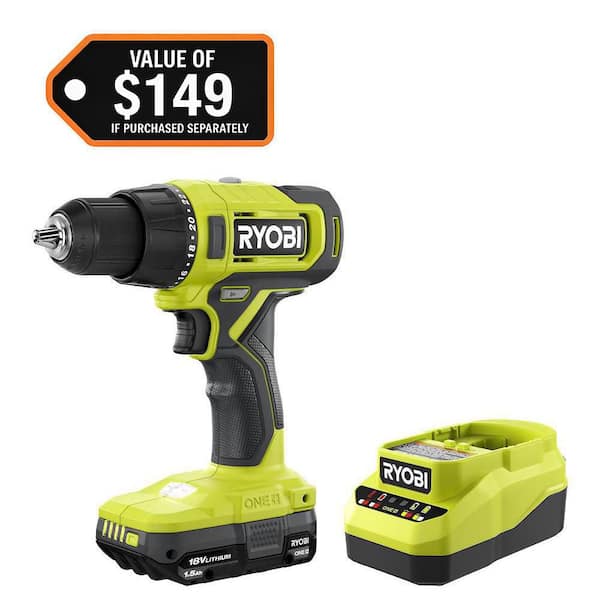
Credit: www.homedepot.com
Cordless Drill Basics
Cordless drills are handy tools for many tasks. They do not need a power cord. This makes them easy to carry and use anywhere. Understanding how they use power helps you pick the right drill. Power use is often shown in watts. But what does that mean for your drill’s strength and battery life?
Knowing the basics of watts, volts, and amps gives you a clearer picture. These terms explain how much energy the drill needs. They also show how long your drill can run on one battery charge. Let’s break down these terms to understand your cordless drill better.
What Watts Measure
Watts show the amount of power a tool uses. It is a mix of voltage and current. The higher the watts, the stronger the drill can be. Watts affect how fast and hard the drill can work. But high watts can drain the battery quicker.
Battery Voltage Explained
Voltage is the pressure that pushes the electric current. Higher voltage means more power for tougher jobs. Most cordless drills use batteries from 12 to 20 volts. A higher voltage battery often lasts longer and drills faster.
Amps And Their Role
Amps measure the flow of electric current. More amps mean more energy moving through the drill. This helps the drill handle heavy tasks without slowing down. Battery capacity in amp-hours (Ah) tells how long the drill runs. Bigger Ah means longer work time before charging.
Power Consumption Factors
Power consumption in cordless drills changes based on several factors. These factors affect how much energy the drill uses and how long the battery lasts. Understanding these can help you choose the right drill for your needs.
Let’s explore the main factors that influence power use in cordless drills.
Drill Motor Types
Brushless motors use less power than brushed motors. They run more efficiently and heat less. Brushed motors are cheaper but waste more energy. Choosing a brushless drill can save battery life.
Speed Settings Impact
Higher speed settings use more watts and drain the battery faster. Lower speeds save energy but reduce drilling speed. Adjusting speed to the task helps control power use. Speed settings allow you to balance power and battery life.
Load And Usage Effects
Heavy loads make the drill work harder and consume more power. Light tasks use less energy and extend battery life. Continuous use heats the motor and increases energy draw. Resting the drill can help reduce power use.
Typical Watt Ranges
Understanding the typical watt ranges of cordless drills helps in choosing the right tool. Watts indicate the power the drill uses from its battery. Different tasks need different power levels. This section explains typical watt ranges for various cordless drills.
Light-duty Drills
Light-duty drills use about 100 to 200 watts. These drills work well for small jobs. Tasks like hanging pictures or assembling furniture fit here. They are lightweight and easy to handle. Perfect for homeowners and casual users.
Medium-power Models
Medium-power drills range from 200 to 400 watts. They suit most household and workshop needs. Drilling into wood, plastic, or metal is easier with these models. They balance power and battery life well. Ideal for DIY enthusiasts and regular users.
Heavy-duty Options
Heavy-duty drills use 400 watts or more. These drills handle tough materials like concrete and steel. Professionals often choose these for demanding jobs. They are heavier but deliver strong performance. Great for construction and industrial use.
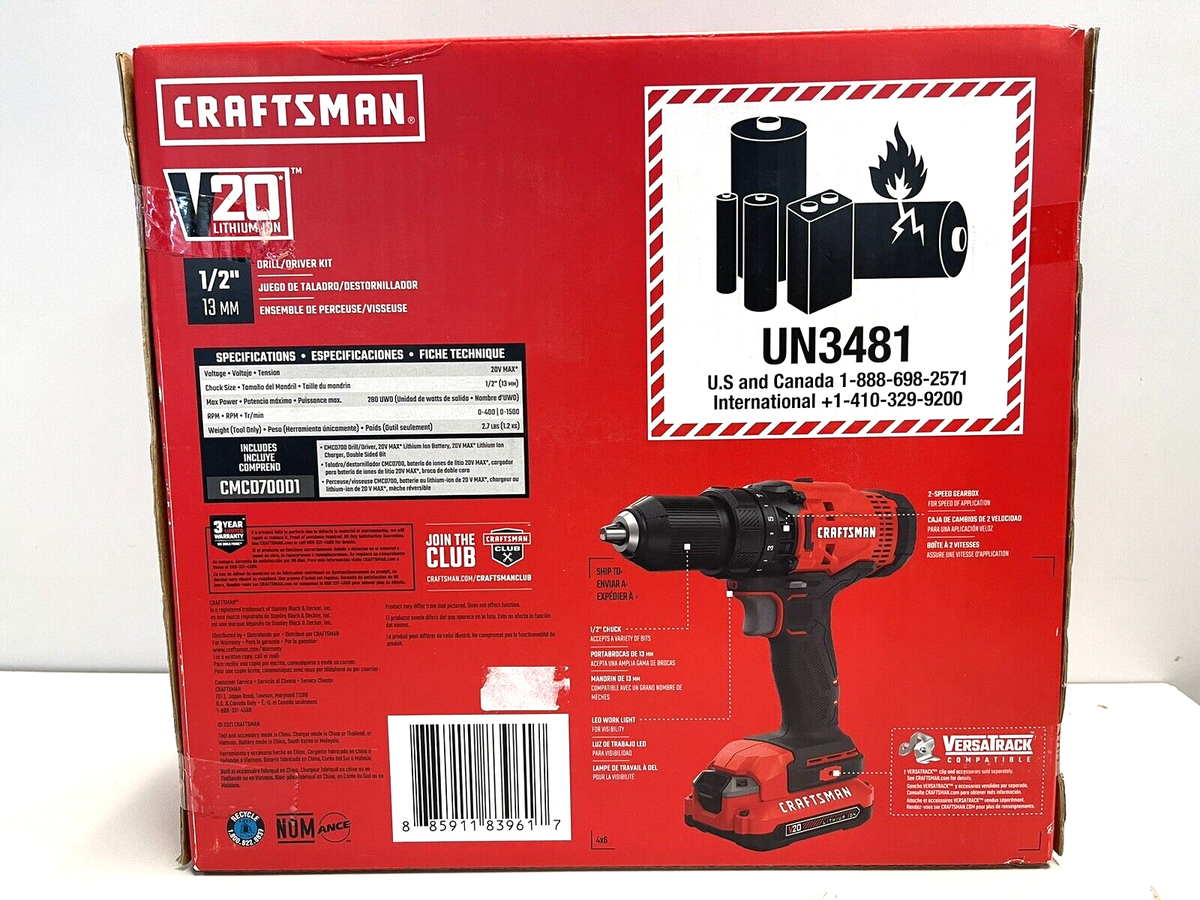
Credit: www.ebay.com
Battery Life And Efficiency
Battery life and efficiency are key parts of a cordless drill’s performance. They affect how long the drill works before needing a recharge. Understanding these factors helps you choose the right drill and use it well.
Battery Capacity Ratings
Battery capacity shows how much energy the battery stores. It is measured in ampere-hours (Ah). A higher number means the battery lasts longer. For example, a 2.0 Ah battery runs shorter than a 4.0 Ah battery. Capacity affects the drill’s power and runtime.
Charging Times
Charging time is how long the battery takes to fill up. Some batteries charge fast, others slow. A fast charger can fill a battery in 30 minutes. Standard chargers might need 1 to 3 hours. Quick charging saves time and keeps your work moving.
Maximizing Runtime
To get the most from your battery, avoid heavy use all the time. Use the drill at moderate speeds and take breaks. Turn off the drill when not in use. Keep the battery cool and store it properly. These steps help the battery last longer during each job.
Comparing Corded Vs Cordless
Choosing between a corded and cordless drill depends on many factors. Power use, energy efficiency, and ease of use all play a role. Understanding these helps you pick the right tool for your work.
Power Output Differences
Corded drills usually offer higher power. They run on electricity from the wall socket. This means they can keep working at full strength.
Cordless drills rely on batteries. Their power varies with battery size and charge. They may not deliver as much power as corded models.
Energy Consumption
Corded drills draw a steady amount of watts during use. The energy consumption is constant and predictable. This makes it easier to estimate electricity costs.
Cordless drills use battery power, which limits their run time. Energy use depends on battery capacity and charging frequency. They consume less electricity directly but need recharging.
User Convenience Factors
Cordless drills offer freedom from power outlets. They are light and easy to carry around. This makes them ideal for outdoor or remote jobs.
Corded drills need a power source nearby. Their cords can limit movement and cause tangles. But they work without breaks as long as plugged in.
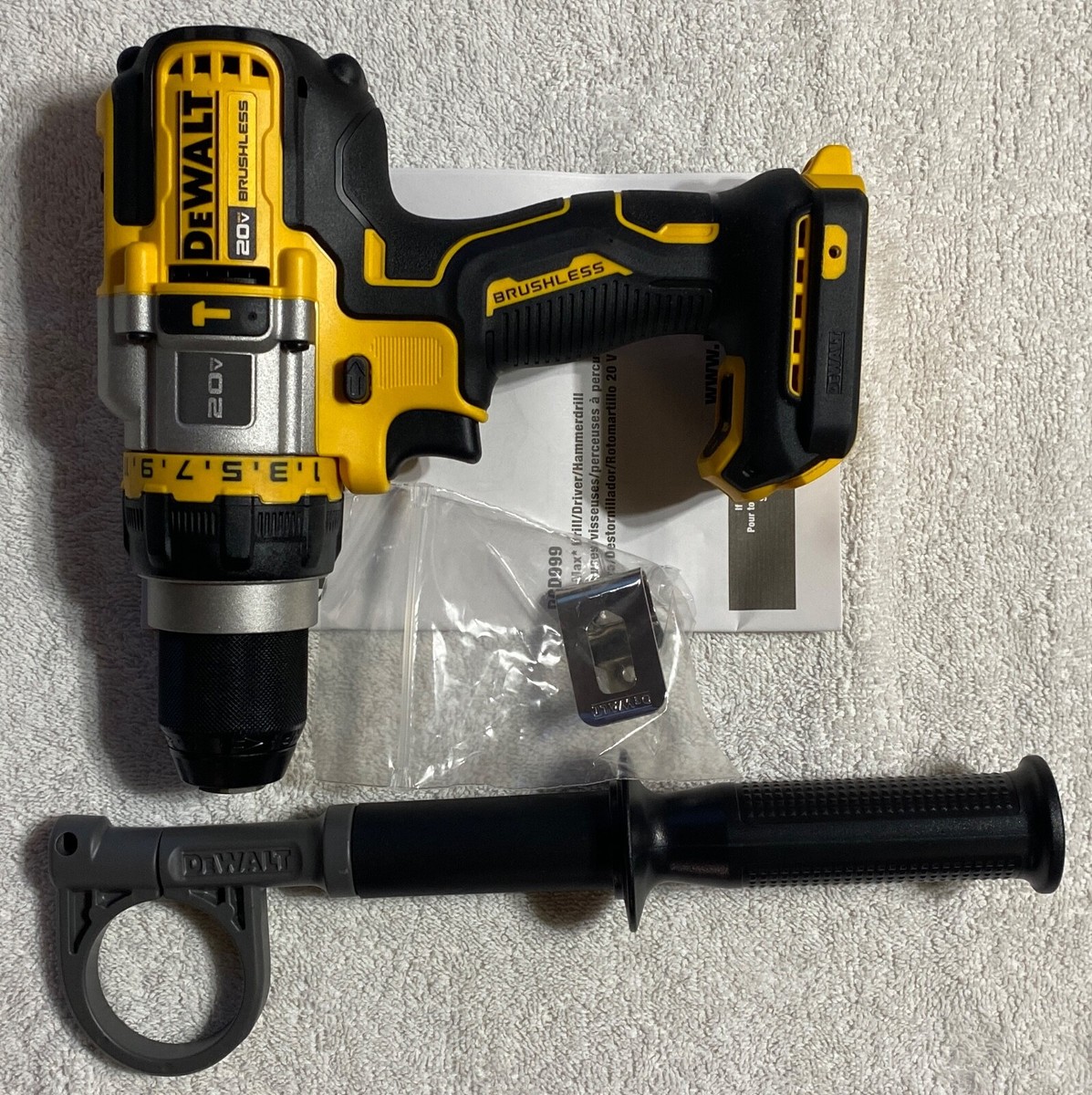
Credit: www.ebay.com
Tips For Choosing The Right Drill
Choosing the right cordless drill can make your work easier and faster. Knowing the power needs and battery details helps find the best fit. Consider the tasks you want to do with the drill. Think about battery life and brand quality too. These tips guide you to pick a drill that works well for your needs.
Matching Power To Tasks
Different jobs need different drill power. Small tasks like hanging pictures need less power. Bigger jobs like drilling into wood or metal need more power. Wattage shows how strong the drill is. Choose a drill with enough watts for your usual tasks. Too little power can slow you down. Too much power might be heavy and hard to hold.
Considering Battery Specs
Battery size affects how long the drill runs. Higher voltage means more power and longer use. Check the battery type; lithium-ion lasts longer than older types. Fast charging helps if you need to work without breaks. A spare battery can keep you working without waiting. Look for batteries that fit your work habits and time.
Brand And Model Recommendations
Some brands offer reliable and durable drills. Choose brands known for quality and good customer support. Read reviews to see how models perform in real use. Popular brands often have better parts and warranties. Pick a model with features you need, like speed settings or LED lights. A trusted brand can save you money in repairs and time.
Frequently Asked Questions
How Many Watts Does A Typical Cordless Drill Use?
A typical cordless drill uses between 100 to 500 watts. Power depends on battery voltage and motor efficiency. Higher wattage drills handle tougher tasks easily. Lower wattage suits light household jobs. Always check your drill’s specifications for exact watt usage.
Does Battery Voltage Affect Cordless Drill Wattage?
Yes, battery voltage directly impacts wattage. Higher voltage batteries provide more power and higher wattage output. Common cordless drills use 12V, 18V, or 20V batteries. More volts mean more torque and longer run time for demanding projects.
How Can I Calculate My Cordless Drill’s Wattage?
To calculate wattage, multiply battery voltage by current (amps). For example, an 18V battery at 2 amps equals 36 watts. Wattage varies with drill speed and load. Manufacturers often list wattage or power rating in the product details.
Is Wattage The Only Factor In Drill Performance?
No, wattage is important but not the only factor. Torque, battery capacity, and motor type also affect performance. Brushless motors are more efficient and last longer. Consider all factors for the best cordless drill choice.
Conclusion
Cordless drills use different watts depending on their size and battery. Most drills fall between 100 and 500 watts. Higher watt drills run longer and handle tougher jobs. Knowing the wattage helps you pick the right tool for your needs.
Keep battery life in mind for longer work time. Watt numbers alone do not show drill power fully. Consider speed, torque, and battery type too. Choose wisely to make your projects easier and faster.
