


Is your drill press acting up just when you need it most? Don’t worry—you don’t have to spend a fortune on a new one or hire expensive repairs.
Fixing your drill press yourself is easier than you think. In this guide, you’ll discover simple steps to diagnose and repair common problems quickly. By the time you finish reading, you’ll have the confidence to bring your drill press back to life and keep your projects moving forward.
Ready to save time and money? Let’s get started!
Common Drill Press Issues
Drill presses are powerful tools used for precise drilling. They often face common problems that affect their performance. Understanding these issues helps fix the drill press quickly. Below are some frequent problems and how they show up.
Drill Not Starting
The drill press may fail to start due to electrical or mechanical faults. Check the power supply and the switch first. Loose wiring or a blown fuse can stop the motor from running. The motor itself might be worn out or damaged.
Unusual Noises
Strange sounds often mean parts are worn or misaligned. Bearings might be dry or broken. Loose belts or pulleys can cause rattling or squeaking. Strange noises signal a need for immediate inspection.
Inconsistent Speed
The drill speed should stay steady during use. Speed changes can come from a slipping belt or a faulty variable speed control. Dirt or damage on the pulleys also cause speed problems. Proper cleaning and adjustment fix this issue.
Wobbling Or Vibration
Wobbling makes drilling inaccurate and unsafe. It often happens if the drill bit is loose or bent. The spindle or chuck may be worn or damaged. Tighten or replace parts to stop vibration.
Chuck Not Holding Bit
If the chuck can’t hold the drill bit firmly, the bit slips. This causes poor drilling results. Check for worn jaws or dirt inside the chuck. Cleaning or replacing the chuck solves this problem.

Credit: www.amazon.com
Basic Tools And Safety Gear
Repairing a drill press requires the right tools and safety gear. These basics help you work safely and fix the machine correctly. Using proper equipment saves time and avoids mistakes. Safety gear protects you from injuries while repairing.
Essential Repair Tools
Gather a set of basic tools before starting the repair. A wrench set helps to loosen and tighten bolts. Screwdrivers, both flathead and Phillips, are needed for screws. Pliers come in handy for gripping and pulling parts. A hammer can help with stuck components. A multimeter checks electrical parts for faults. Keep a clean cloth nearby to wipe dirt and oil. Having all tools ready makes the repair smooth and fast.
Safety Precautions
Wear safety glasses to protect your eyes from debris. Gloves protect your hands from sharp edges and hot surfaces. Avoid loose clothing or jewelry that can get caught in moving parts. Work in a well-lit area to see all details clearly. Make sure the drill press is unplugged before starting any repair. Keep a fire extinguisher nearby in case of electrical sparks. Following these safety steps reduces the risk of accidents during repair.
Fixing Power Problems
Power problems can stop your drill press from working properly. These issues often come from simple causes. Checking power-related parts can save you time and money. Follow the steps below to find and fix power problems safely.
Checking The Power Source
Start by verifying the power outlet. Use a different device to test the socket. Make sure the circuit breaker has not tripped. If the outlet has no power, reset the breaker or try another outlet. Confirm the drill press receives electricity before moving on.
Inspecting The Switch
The switch controls power flow to the drill press. Look for signs of damage or wear. Press the switch several times to check if it feels loose or sticky. Use a multimeter to test switch continuity. Replace the switch if it does not work correctly.
Replacing Faulty Cords
Power cords can wear out or break inside. Check the cord for cuts, cracks, or exposed wires. Wiggle the cord while the drill press is plugged in to detect loose connections. Always unplug before handling the cord. Replace any damaged cords with the correct type for your drill press.
Addressing Mechanical Issues
Mechanical problems can stop your drill press from working well. Fixing these issues keeps your tool running smoothly and safely. Simple checks and repairs can extend the life of your drill press. Focus on parts that move or wear out first. This way, you avoid bigger problems later.
Lubricating Moving Parts
Lubrication reduces friction and wear on moving parts. Use light machine oil or grease for best results. Apply oil to the spindle, quill, and feed handles. Wipe off old grease before adding new lubricant. Regular oiling prevents rust and keeps parts turning freely.
Tightening Loose Components
Loose parts cause vibration and poor drilling accuracy. Check the table, motor mounts, and belt guards for tightness. Use the correct wrench or screwdriver to tighten screws and bolts. Avoid overtightening, which can damage threads. Tight parts improve safety and performance.
Replacing Worn Belts
Belts transfer power from the motor to the drill. Over time, belts can crack, stretch, or slip off. Inspect belts for signs of wear or damage. Replace worn belts with new ones of the same size and type. A good belt keeps the drill press running smoothly and quietly.
Adjusting Speed And Alignment
Adjusting the speed and alignment of a drill press is key to its proper operation. Correct settings help you drill clean holes and avoid damage to your workpiece or tool. This section covers how to calibrate speed settings and align the spindle with the table.
Calibrating Speed Settings
Start by turning off the drill press and unplugging it for safety. Locate the speed control dial or lever on your machine. Check the user manual for recommended speeds for different materials.
Set the dial to a low speed before testing. Turn the drill press on and observe the spindle rotation. Use a tachometer if available to measure speed accurately.
Adjust the dial or belt position to reach the desired speed. Always match speed to the drill bit size and material hardness. Slower speeds work best for metal, faster speeds suit wood.
Aligning The Spindle And Table
Check that the spindle and table are square to each other. Use a machinist’s square or a dial indicator for precise measurement. Place the square on the table and touch the spindle to it gently.
Loosen the table locking mechanism to allow small movements. Adjust the table until the spindle is perfectly aligned. Tighten the locking mechanism securely once aligned.
Test alignment by drilling a small hole in scrap wood. The hole should be straight and clean. Recheck and adjust if the drill bit wanders or tilts.

Credit: www.youtube.com
Maintaining The Chuck
The chuck is a key part of your drill press. It holds the drill bit tightly. Keeping the chuck in good shape helps your drill press work well. A clean and well-maintained chuck lasts longer and works safely. Regular care prevents damage and keeps your work precise.
Cleaning The Chuck
Start by unplugging the drill press. Remove any drill bit from the chuck. Use a brush to clear dust and debris from the jaws. Wipe the inside and outside with a clean cloth. For stubborn dirt, use a small amount of light oil. Move the jaws by opening and closing the chuck. This spreads the oil and frees stuck parts. Clean the chuck regularly to avoid rust and buildup.
Replacing Or Repairing Chuck
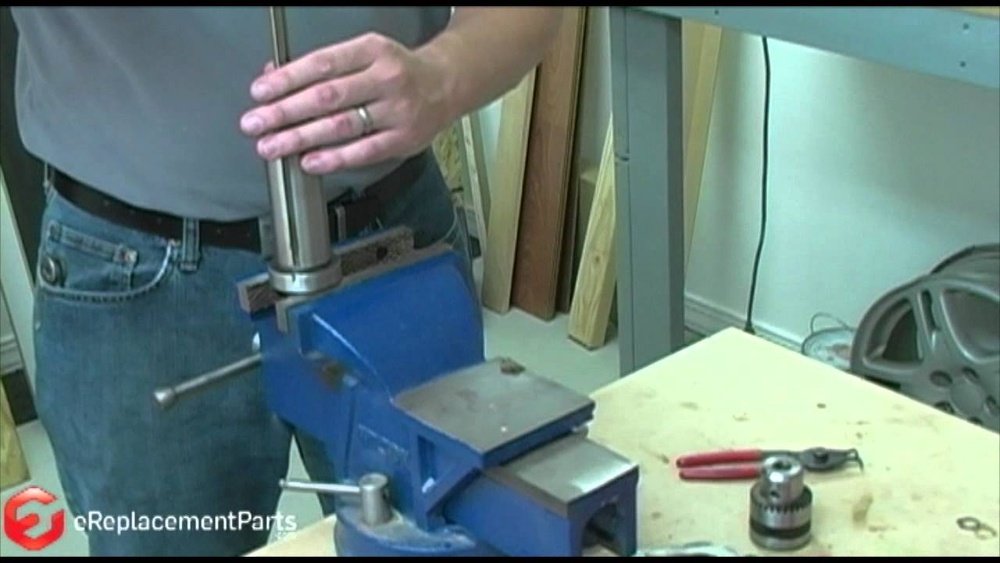
Check the chuck for cracks or wear signs. If the jaws do not hold tight, repair or replace it. To replace, loosen the chuck with a wrench. Unscrew it from the spindle carefully. Buy a new chuck that fits your drill press model. Screw the new chuck on and tighten securely. For minor issues, try tightening loose parts or cleaning inside. Repair keeps your drill press safe and efficient.
When To Seek Professional Help
Knowing when to call a professional for drill press repair saves time and prevents damage. Small fixes are fine for DIY. But some issues need expert skills and tools. Safety is the top priority. Avoid risks by trusting trained technicians for complex problems.
Complex Electrical Repairs
Electrical problems can be dangerous. Faulty wiring or motor issues require special tools and knowledge. Professionals can diagnose hidden electrical faults quickly. They prevent shocks and fires by handling live parts safely. Attempting electrical repairs without training can worsen the problem.
Major Mechanical Failures
Big mechanical failures need expert attention. Broken gears, belts, or bearings affect drill press function. Experts know how to replace or fix parts correctly. They ensure the machine runs smoothly again. Trying to fix major mechanical faults alone may cause more damage or injury.

Credit: www.amazon.com
Frequently Asked Questions
How Do I Fix A Drill Press That Won’t Start?
Check the power supply and ensure it’s plugged in. Inspect the switch and wiring for damage. Replace any faulty parts. Also, verify the motor isn’t seized by manually turning the spindle. Clean and lubricate moving parts if needed.
What Causes A Drill Press To Overheat Quickly?
Overheating is often due to worn motor brushes or poor ventilation. Clean air vents and remove dust buildup. Replace worn brushes promptly. Avoid prolonged use without breaks. Proper maintenance keeps the motor cool and extends its lifespan.
How Can I Realign The Drill Press Table?
Loosen the table locking bolts and adjust the table until it’s square with the spindle. Use a carpenter’s square for accuracy. Tighten the bolts securely after alignment. Regular checks ensure precise drilling and avoid angled holes.
Why Is My Drill Press Spindle Wobbling?
Spindle wobble usually results from worn bearings or a bent spindle. Inspect the spindle for damage and replace bearings if noisy or loose. Proper lubrication helps maintain smooth rotation. Address spindle issues early to ensure accurate drilling.
Conclusion
Repairing a drill press can save time and money. Follow each step carefully to fix issues. Regular maintenance helps keep your drill press working well. Always check parts for wear and tear. Safety matters—unplug the machine before repairs. Taking small actions prevents bigger problems later.
With patience, you can restore your drill press easily. Keep tools organized and work in a clean space. This guide makes repair simple and clear. Keep your drill press ready for many projects ahead.
