


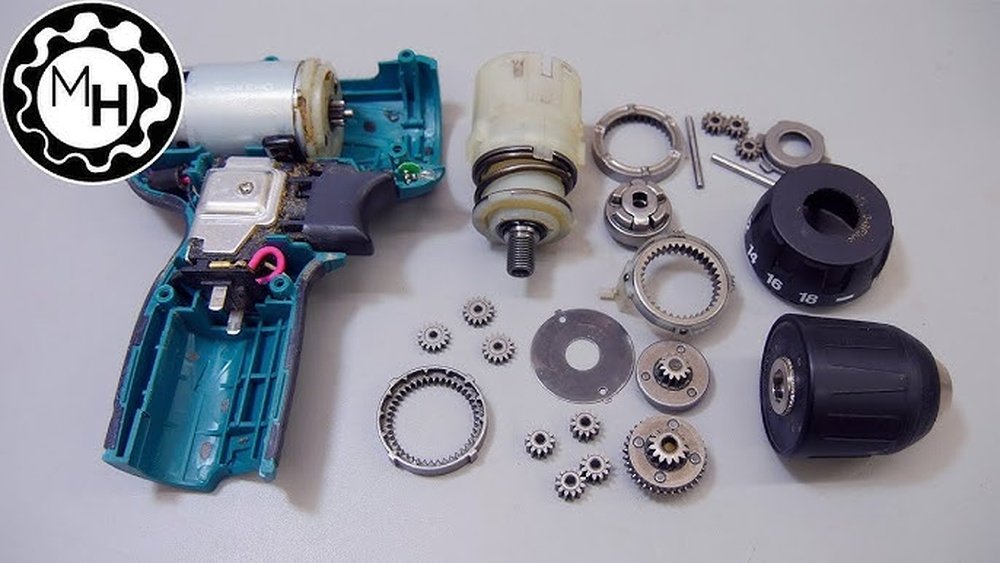
Is your 18V cordless drill not working like it used to? You don’t have to rush out and buy a new one just yet.
Fixing your drill can save you time and money, and it’s easier than you might think. You’ll discover simple steps to diagnose common problems and get your drill back to full power quickly. Whether you’re a DIY beginner or just want to avoid costly repairs, this guide will help you take control and bring your tool back to life.
Keep reading—you’re just a few easy fixes away from having your drill ready for action again.
Common Drill Issues
Common issues affect most 18V cordless drills. Knowing these problems helps you fix your tool faster. Many issues come from simple parts that wear out or get dirty. Understanding these problems saves money and time.
Battery Problems
Batteries lose charge over time. Drill may not start or run weakly. Check if battery holds a charge. Clean battery contacts to improve power flow. Replace battery if it no longer charges properly.
Motor Malfunctions
Motors can wear out or get clogged with dust. Drill may make strange noises or stop spinning. Remove dust and debris from vents. Test motor with a multimeter to find faults. Replace motor if it does not work.
Trigger Switch Failures
Trigger switch controls drill power. Faulty switches cause no response or intermittent power. Press trigger to test connection. Clean switch contacts or replace switch if needed.
Chuck And Bit Issues
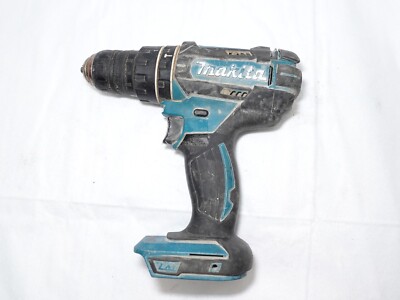
Chuck holds the drill bit tight. Loose or stuck chucks cause slipping or difficulty changing bits. Clean and lubricate chuck regularly. Tighten or replace chuck if it does not hold bits well.
Credit: www.ebay.com
Tools Needed For Repair
Repairing an 18V cordless drill requires the right tools. Having the correct tools makes the job easier and safer. It helps you find the problem and fix it faster. Here are the main tools you need.
Basic Hand Tools
Start with simple tools like screwdrivers and pliers. A set of Phillips and flathead screwdrivers helps remove screws. Needle-nose pliers assist in handling small parts and wires. A wrench or socket set may be needed for bolts. Keep a small brush or cloth handy to clean dust and debris.
Multimeter Use
A multimeter measures electrical parts in the drill. It checks battery voltage and wiring connections. Use it to find broken circuits or dead cells. Set the multimeter to measure volts, ohms, or amps. This tool helps pinpoint electrical issues without guesswork.
Safety Equipment
Safety is very important. Wear safety goggles to protect your eyes from dust and sparks. Use gloves to avoid cuts or burns. Make sure the drill is switched off and battery removed before starting repairs. Work in a clean, well-lit space to avoid accidents.
Diagnosing Battery Problems
Battery problems are common with 18V cordless drills. They stop working or lose power quickly. Finding the exact battery issue helps fix the drill faster. This section shows how to diagnose battery problems step by step.
Checking Battery Charge
Start by checking the battery charge level. Use a battery tester or the drill’s built-in indicator. If the battery shows low or no charge, try charging it fully. A fully charged battery should power the drill well. If it won’t hold a charge, the battery may be faulty.
Testing Battery Connections
Loose or dirty connections can cause battery issues. Remove the battery pack from the drill. Check the metal contacts on both the battery and drill. Clean any dirt or corrosion with a dry cloth. Reconnect the battery and test the drill. Good connections help the drill get full power from the battery.
Replacing The Battery Pack
When the battery no longer holds charge, replacement is necessary. Buy a new 18V battery pack compatible with your drill model. Remove the old battery carefully. Insert the new battery into the drill. Charge it fully before use. Replacing the battery restores the drill’s power and runtime.
Fixing Motor Issues
Fixing motor issues in an 18V cordless drill can make a big difference. The motor is the heart of the drill. If it stops working well, the drill loses power or stops spinning. You can fix many motor problems by checking some key parts. Small repairs can save money and extend your drill’s life.
Inspecting Brushes And Commutator
Brushes help send electricity to the motor. They wear out over time. Remove the brush caps carefully. Check if the brushes are short or broken. Worn brushes need replacing to keep the motor running. Look at the commutator too. It is the copper part the brushes touch. It should be clean and smooth. Dirt or burns on the commutator can stop the motor.
Cleaning Motor Components
Dust and dirt build up inside the motor. This can block movement and cause overheating. Use a soft brush or compressed air to clean inside. Clean the commutator gently with fine sandpaper. Avoid using water or harsh chemicals. Clean parts help the motor run cooler and last longer.
Replacing Worn Parts
Some motor parts wear out and need new ones. Brushes are the most common to replace. Also check bearings and the armature for damage. If the armature is burnt or broken, it may need professional repair or replacement. Use only parts made for your drill model. Correct parts ensure your drill works safely and well.
Repairing The Trigger Switch
Repairing the trigger switch on an 18V cordless drill can fix many common problems. The trigger switch controls the power flow to the motor. If it stops working, the drill won’t start or run smoothly. This section explains how to check and fix the trigger switch step by step.
Identifying Switch Faults
Start by checking if the trigger feels loose or stuck. A faulty switch may cause the drill to stop suddenly. Test the trigger by pressing it and listening for any unusual sounds. Use a multimeter to check if the switch sends power when pressed. No signal means the switch might be broken.
Cleaning Contacts
Dust and dirt can block the switch contacts. Open the drill carefully to access the trigger switch. Use a soft brush or compressed air to clean the contacts. Apply a small amount of electrical contact cleaner. Press the trigger several times to help spread the cleaner. This can restore the connection and improve switch performance.
Replacing The Switch
If cleaning does not fix the problem, replacing the switch is the next step. Purchase a switch compatible with your drill model. Remove the old switch by disconnecting wires and screws. Attach the new switch by connecting wires in the correct order. Secure the switch and reassemble the drill. Test the trigger to ensure it works properly.
Chuck And Bit Maintenance
The chuck and bit are key parts of an 18V cordless drill. Proper care helps the drill work better and last longer. Regular maintenance keeps the chuck tight and the bit secure. It also stops damage and improves safety during use. Follow these simple steps to keep these parts in good shape.
Tightening Or Replacing The Chuck
The chuck holds the drill bit in place. Over time, it can loosen or wear out. To tighten the chuck, use the drill’s key or hand-tighten if it is keyless. If the chuck is damaged or cannot hold the bit firmly, replace it. Remove the old chuck by loosening the screw inside it. Then, install a new chuck by screwing it on securely. This keeps the bit from slipping during work.
Lubricating Moving Parts
Lubrication helps the chuck move smoothly. Apply a small amount of machine oil to the jaws and the inside parts. Avoid using too much oil, as it can attract dust and dirt. Clean the chuck before adding oil. Wipe away old grease or debris with a cloth. Regular lubrication reduces friction and wear, making the drill easier to use.
Ensuring Proper Bit Fit
Choosing the right bit size is vital. The bit must fit snugly into the chuck. If the bit is too small, it will slip and damage the work. Too large bits will not fit at all. Test the bit by inserting it into the chuck and tightening it securely. Replace worn or damaged bits to maintain good results. Proper fit improves drill performance and safety.
Preventive Care Tips
Preventive care keeps your 18V cordless drill working well for a long time. Small steps protect it from damage and save repair costs. Follow simple routines to keep the drill clean, store it right, and care for its battery. These habits make your tool ready for every job.
Regular Cleaning
Clean the drill after each use. Remove dust, dirt, and debris from vents and surfaces. Use a soft brush or cloth to avoid scratches. Keep the chuck clean to hold drill bits tightly. Regular cleaning stops dust buildup that can cause overheating.
Proper Storage
Store the drill in a dry, cool place. Avoid damp or hot areas that harm the tool and battery. Use the case that comes with the drill for extra protection. Keep it away from heavy objects to prevent damage. Proper storage keeps the drill safe and ready to use.
Battery Care Practices
Charge the battery fully before using. Avoid letting the battery drain completely. Store batteries in a cool, dry place. Remove the battery from the drill if not using for a long time. Follow these steps to extend battery life and maintain power.

Credit: www.ebay.com

Credit: www.youtube.com
Frequently Asked Questions
How Do I Fix A Cordless Drill That Won’t Start?
First, check the battery charge and connections. Clean contacts if dirty. Replace the battery if faulty. Inspect the trigger switch and motor for damage. Replace broken parts to restore function.
What Causes A Cordless Drill To Lose Power?
Power loss often results from a weak battery or poor contact. Dirt or corrosion on terminals can reduce power. Overheating or motor issues also cause power drops. Regular cleaning and battery maintenance help prevent this.
How Can I Replace A Drill’s Worn-out Chuck?
Remove the drill bit and loosen the chuck by turning it counterclockwise. Use a wrench to unscrew if needed. Install the new chuck by screwing it on tightly. Test to ensure it holds bits firmly.
When Should I Replace The Drill Battery?
Replace the battery if it won’t hold a charge or drains quickly. Frequent overheating or physical damage also means replacement. Using genuine batteries ensures safety and better performance. Proper charging extends battery life.
Conclusion
Repairing an 18V cordless drill is easier than it seems. With careful steps, you can fix common problems yourself. Always check the battery, switch, and motor first. Use the right tools and take your time. This saves money and helps the drill last longer.
Keep safety in mind during the process. Now, you can handle small repairs with confidence. Your drill will be ready for your next project soon. Simple fixes keep your tools working well. Give it a try and see the results.
