

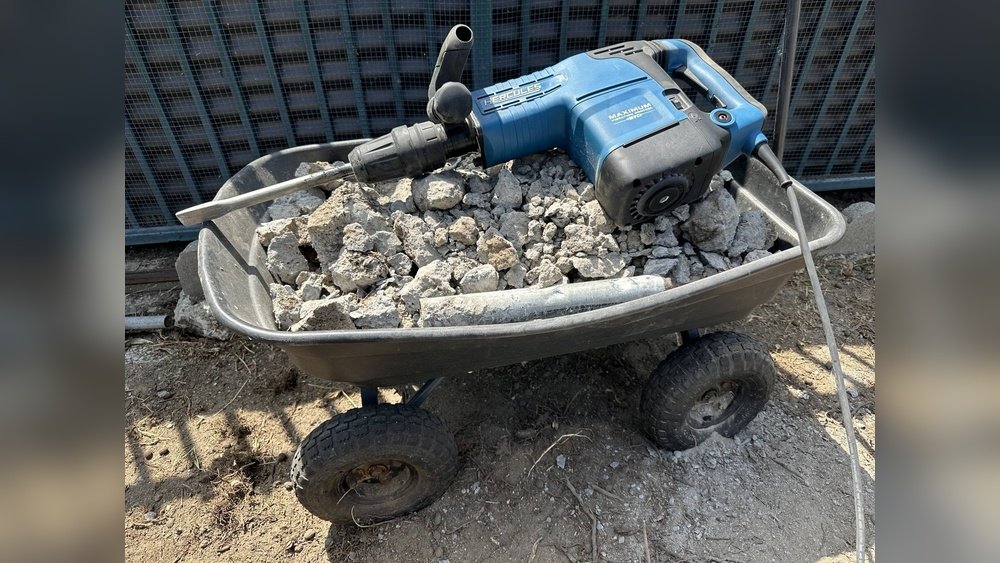
Are you planning to tackle a concrete project and wondering if a rotary hammer drill can handle the job? You might be asking yourself if this tool is strong enough to break through tough concrete surfaces without wasting your time or energy.
Understanding how a rotary hammer drill works and whether it’s the right choice for your needs can save you frustration and help you get the job done faster. Keep reading to discover the truth about rotary hammer drills and concrete—so you can make the best decision for your next project.

Credit: www.youtube.com
Rotary Hammer Drill Basics
A rotary hammer drill is a powerful tool designed to drill and break hard materials. It is often used in construction and renovation projects. This tool combines rotation with a strong hammering action. It makes breaking concrete easier than with a regular drill.
Understanding the basics of a rotary hammer drill helps you use it safely and effectively. This section explains how it works, the types available, and key features to consider.
How It Works
A rotary hammer drill uses a piston mechanism to create a strong hammering force. The piston moves back and forth rapidly. This action delivers a powerful blow to the drill bit. At the same time, the drill bit spins to cut through material. This combination breaks concrete faster than regular drills.
Types Of Rotary Hammer Drills
There are three main types of rotary hammer drills. The first type is the standard rotary hammer, ideal for light to medium work. The second type is the combination hammer, which can switch between hammering and drilling modes. The third type is the demolition hammer, designed for heavy-duty concrete breaking.
Key Features To Look For
Look for a rotary hammer drill with variable speed control. It helps you adjust power for different tasks. A tool with a vibration control system reduces user fatigue. The drill’s weight affects comfort during use. Also, check if it has multiple modes for drilling and chiseling. A strong motor ensures better performance on tough materials.

Credit: www.youtube.com
Concrete Breaking Essentials
Breaking concrete requires the right tools and understanding. A rotary hammer drill is a popular choice for many projects. Knowing the basics of concrete and drill performance helps in making the right decision.
Concrete is tough. It resists pressure and force. Understanding its nature helps predict how well a rotary hammer drill will work.
Concrete Composition And Hardness
Concrete is made from cement, sand, gravel, and water. The mixture hardens over time, forming a strong surface. The ratio of ingredients affects its hardness. Hard concrete takes more effort to break. Older concrete is usually stronger. Additives like fibers or chemicals can change its strength.
Factors Affecting Drill Performance
Drill power is key. Higher power means better breaking ability. The drill bit type also matters. A carbide-tipped bit works best for concrete. Drill speed and impact rate affect results too. The right technique helps. Applying steady pressure improves efficiency. Using water can reduce dust and cool the bit.
Common Challenges In Breaking Concrete
Concrete can crack unevenly. Reinforced concrete has steel bars inside. These bars are hard to cut through. Dust from drilling can reduce visibility. It may harm the drill if not controlled. Overheating the bit can cause damage. Noise and vibration are also issues. Safety gear is important to protect yourself.
Power And Performance
The power and performance of a rotary hammer drill determine its ability to break concrete effectively. This tool combines force and speed to handle tough materials. Understanding these factors helps to choose the right drill for concrete work.
Impact Energy And Speed
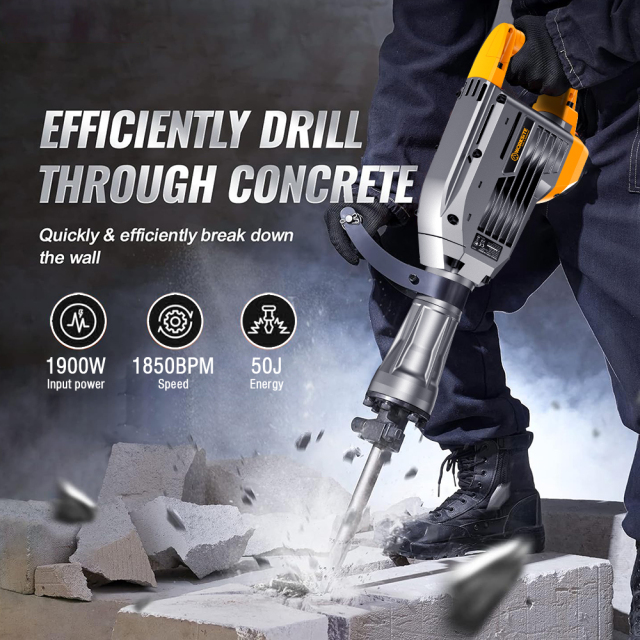
Impact energy measures the force of each hammer strike. Higher impact energy means better breaking power. Rotary hammer drills deliver strong impacts fast. This speed helps chip away concrete quickly. The right balance of energy and speed boosts drilling efficiency.
Comparing Rotary Hammer Drills To Other Tools
Rotary hammer drills differ from regular drills and demolition hammers. They provide more impact force than standard drills. Less bulky than demolition hammers, they offer better control. This makes them ideal for breaking concrete in tight spaces. Their power suits both light and medium concrete jobs.
Role Of Drill Bits In Efficiency
Drill bits affect how well the tool breaks concrete. Special bits designed for rotary hammers improve cutting and chipping. Carbide-tipped bits last longer and resist wear. Using the correct bit size matches the job’s demands. Proper bits reduce effort and increase speed.
Credit: www.liftingitalia.com
Using A Rotary Hammer Drill On Concrete
Using a rotary hammer drill on concrete makes tough jobs easier. This tool combines hammering and drilling actions. It breaks and drills concrete faster than regular drills. Many people wonder if it can break concrete completely. The answer is yes, but proper use is key.
Preparing The Site
Clear the area of loose debris and dust. Mark the exact spots to drill or break. Check for any hidden wires or pipes. Use a stud finder or metal detector for safety. Make sure the surface is dry and stable. Arrange tools and materials close by for easy access.
Safety Precautions
Wear safety glasses to protect your eyes from flying debris. Use ear protection to guard against loud noise. Put on heavy gloves to avoid hand injuries. Wear a dust mask to prevent inhaling concrete dust. Keep a firm grip on the drill at all times. Work in a well-ventilated area to reduce dust buildup.
Step-by-step Drilling Technique
Start with a small drill bit to create a guide hole. Hold the drill steady and apply light pressure. Let the hammer action do the work, not your force. Increase drill bit size gradually for larger holes. Pull the drill out occasionally to clear dust. Keep the drill perpendicular to the surface for best results.
Maintenance And Care
Proper maintenance and care keep a rotary hammer drill working well. This tool handles tough jobs like breaking concrete. Caring for it extends its life and saves money on repairs. Simple steps after each use make a big difference.
Cleaning After Use
Remove dust and debris from the drill after each job. Use a soft brush or cloth to wipe the tool. Avoid water or harsh chemicals. Clean the vents to stop overheating. Proper cleaning helps the drill run smoothly and last longer.
Replacing Drill Bits
Check drill bits for wear or damage regularly. Dull bits reduce efficiency and can harm the drill. Replace bits that are chipped or bent. Use the correct type and size for your rotary hammer. Proper bits make breaking concrete easier and safer.
Troubleshooting Common Issues
Listen for strange noises or loss of power during use. Check the power source and cord for damage. Inspect the drill bit and chuck for tightness. Clean or replace parts if needed. Quick fixes prevent small problems from growing bigger.
Choosing The Right Rotary Hammer Drill
Choosing the right rotary hammer drill matters for breaking concrete. The drill must match your needs and project size. Picking the best one saves time and effort. It also helps avoid damage to the drill or work surface.
Focus on three key points: budget, power, and brand. These guide you to the most suitable tool. Each factor affects how well the drill performs and lasts.
Budget Considerations
Rotary hammer drills come in many price ranges. Set a clear budget before shopping. More expensive models often have better features and durability. But low-cost drills can work for small jobs. Balance price with your project needs. Avoid buying very cheap drills that break fast.
Power Requirements
Concrete is hard and needs strong power. Check the drill’s impact energy and speed. Higher impact energy breaks concrete faster. For thick or tough concrete, choose a drill with more power. Light-duty drills suit small cracks or thin slabs. Match power to the task for best results.
Brand And Warranty Options
Trust well-known brands for quality and support. Good brands offer reliable parts and service. Warranty protects you from defects and early failures. Read warranty terms carefully. A longer warranty often means better build quality. Choose brands with clear customer support.
Real-world Applications
Rotary hammer drills are powerful tools designed to break through tough materials like concrete. Their real-world use shows how effective they are in different settings. From simple home fixes to big construction jobs, these drills help get the work done faster and easier.
Understanding where and how rotary hammer drills work best helps users choose the right tool. They are not just strong but also versatile for many tasks involving concrete.
Home Renovation Projects
Rotary hammer drills make home renovation easier. They break concrete walls or floors for new plumbing or wiring. Removing old tiles or concrete steps becomes simple with this tool. Even small repairs, like fixing cracks, benefit from its power. Homeowners can save time and effort using a rotary hammer drill.
Construction Site Uses
Construction workers rely on rotary hammer drills daily. They break concrete fast for building foundations or removing old structures. The drills handle heavy-duty jobs that need strong impact. Workers use them to install anchors or bolts in concrete. This tool speeds up work and reduces physical strain on workers.
Diy Vs Professional Use
DIY users find rotary hammer drills helpful for home projects. They are user-friendly and powerful enough for most repairs. Professionals use more advanced models for continuous, tough work. Experts choose drills with higher power and durability. Both groups benefit, but professionals need tools built for heavy use.
Frequently Asked Questions
Can A Rotary Hammer Drill Break Concrete Effectively?
Yes, a rotary hammer drill can break concrete effectively. It uses powerful hammering and rotary motion to chip and crack hard surfaces quickly.
What Size Rotary Hammer Drill Is Best For Concrete?
A 1 to 3-inch drill bit with at least 5 amps is ideal for concrete. Bigger sizes handle tougher jobs and thicker concrete slabs.
How Does A Rotary Hammer Differ From A Regular Drill?
Rotary hammers combine rotation with a hammering action. This makes them better for breaking concrete than regular drills, which only rotate.
Can I Use A Rotary Hammer Drill For Concrete Demolition?
Yes, rotary hammer drills are suitable for light to medium concrete demolition. They provide controlled breaking without excessive noise or dust.
Conclusion
A rotary hammer drill can break concrete effectively. It uses strong impacts to chip away hard surfaces. This tool works best on thick and tough concrete. Choosing the right drill bit is important for success. Always wear safety gear to protect yourself.
With the right technique, tasks become easier and faster. This drill is a practical choice for heavy-duty jobs. Simple, powerful, and reliable—ideal for concrete breaking needs.
