

Are you trying to screw into brick but don’t have a hammer drill? You’re not alone, and the good news is—it’s possible to get the job done without one.
Imagine saving time and money while still making your project strong and secure. You’ll discover simple, effective techniques that anyone can use to screw into brick safely and easily. Keep reading, and by the end, you’ll have the confidence to tackle your brick project like a pro.
Tools Needed
Getting the right tools makes screwing into brick easier without a hammer drill. Choosing simple, effective tools saves time and effort. This section covers the main tools you need.
Basic Drill Options
Use a standard cordless drill with variable speed. A drill with a masonry bit is best for brick. Choose a drill with a high torque setting. These drills can handle tougher surfaces like brick.
Hand drills work but require more effort. A power drill speeds up the process. Make sure your drill has enough power to avoid stalling.
Types Of Screws And Anchors
Select screws made for masonry or brick. These screws are stronger and have special threads. Use plastic or metal anchors to hold screws firmly. Anchors expand inside the hole to grip the brick.
Wall plugs are common anchors for brick walls. Match anchor size to your screw size. This ensures a tight and safe fit.
Safety Gear Essentials
Wear safety glasses to protect your eyes from dust. Use gloves to protect your hands from rough bricks. A dust mask helps avoid breathing in small particles.
Consider ear protection if drilling makes loud noise. Dress in long sleeves to avoid scratches. Safety gear keeps you safe and comfortable during work.
Preparing The Brick Surface
Preparing the brick surface is a key step before screwing into brick without a hammer drill. It helps the screw hold better and prevents damage to the brick. Taking time to prepare ensures a smooth and secure installation.
Choosing The Right Spot
Pick a spot on the brick that looks solid and free of cracks. Avoid weak or chipped areas. Check the brick’s surface for firmness by tapping lightly. Choose a place away from edges to stop the brick from breaking.
Cleaning And Marking
Clean the chosen spot using a brush or cloth to remove dust and dirt. A clean surface helps the drill bit grip better. Mark the exact point for the screw with a pencil or marker. Clear marks guide your drilling and make the process easier.
Drilling Without A Hammer Drill
Drilling into brick without a hammer drill requires care and the right tools. Bricks are hard and can crack if drilled the wrong way. You can still make holes using simple methods. These methods save time and avoid damage.
Using A Regular Drill With Masonry Bits
Use a regular drill with a masonry bit to drill into brick. Masonry bits have a strong tip designed to cut through hard surfaces. Choose a slow speed on your drill to avoid overheating the bit.
Start by marking the spot where you want the hole. Hold the drill steady and apply light pressure. Drill slowly and pull the bit out occasionally to clear dust. This keeps the bit cool and helps the drill work better.
Patience is key. Drilling slowly prevents cracks and makes a clean hole. This method works well for small to medium holes.
Manual Methods For Small Holes
For tiny holes, use a masonry nail and hammer. Mark the spot, then tap the nail gently into the brick. Increase the force slowly to avoid breaking the brick.
Once you make a small hole, remove the nail. You can widen the hole by repeating the tapping process or using a small manual hand drill.
This method is best for light tasks like hanging small hooks or decorations. It requires more effort but works well without power tools.

Credit: www.acquetech.com
Inserting Anchors And Screws
Inserting anchors and screws into brick without a hammer drill is possible with the right tools and methods. Anchors provide a strong hold for screws in hard materials like brick. Using the correct anchor type and installing it properly ensures stability and safety for your projects.
Selecting Suitable Anchors
Choose anchors made for masonry or brickwork. Plastic expansion anchors work well for light loads. For heavier items, use metal anchors or sleeve anchors. Pick anchors that fit the screw size you plan to use. Check the packaging for weight limits and wall thickness recommendations.
Proper Installation Techniques
First, mark the spot where you want to drill. Use a regular drill with a masonry bit to make a hole. Drill slowly and steadily to avoid cracking the brick. Clean out dust from the hole using a brush or compressed air. Insert the anchor firmly into the hole until flush with the wall. Finally, screw in the screw carefully, making sure it tightens the anchor without stripping it.
Alternative Fixing Methods
Working with brick walls can be tough without a hammer drill. Many think they need special tools to fix things securely. Alternative fixing methods offer simple ways to attach items to brick. These methods save time and effort. They also work well for light to medium tasks. Let’s explore two practical options that do not require a hammer drill.
Adhesive Solutions
Strong adhesives can hold items on brick surfaces. Use construction adhesive or epoxy glue. Clean the brick surface well before applying. Press the item firmly against the brick. Hold it in place until the adhesive sets. This method is best for light objects like hooks or small shelves. Avoid using adhesives for heavy loads. The bond strength depends on surface cleanliness and adhesive type.
Using Tapcon Screws Without Pre-drilling
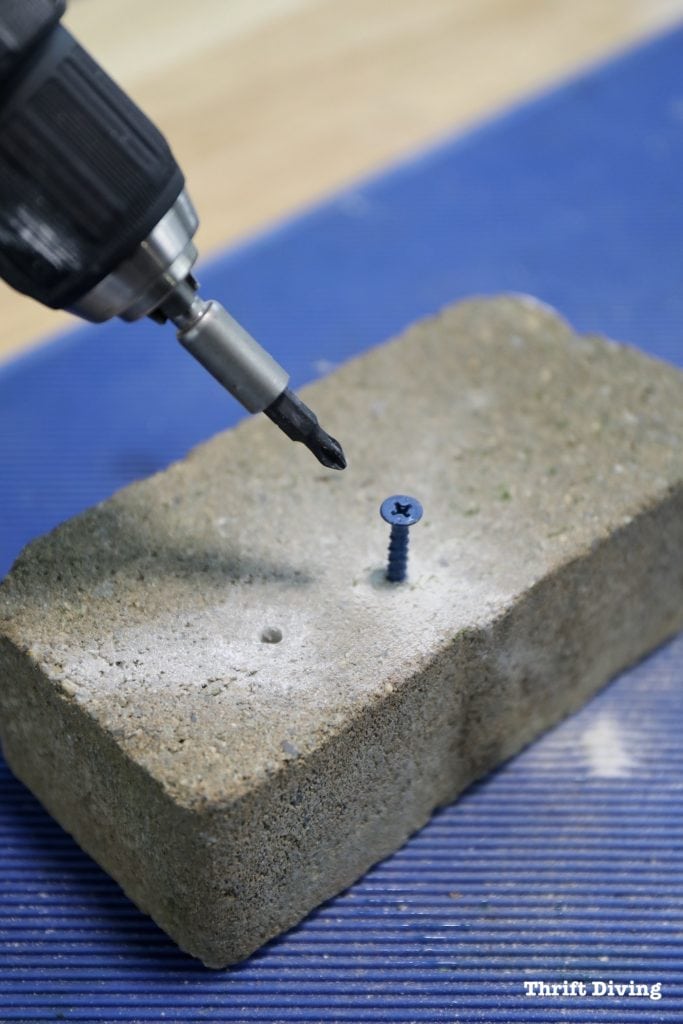
Tapcon screws are designed for masonry. They can sometimes be driven directly into softer brick. Use a strong drill with a high torque setting. Start slowly to avoid cracking the brick. The screw threads cut into the material as you turn. This method works for medium-weight fixtures. It may not work on very hard or dense brick. Always test on a small spot first. Wear safety goggles to protect your eyes during the process.
Tips To Avoid Common Mistakes
Drilling into brick without a hammer drill can be tricky. Mistakes can cause damage or weak holds. Follow these tips to avoid common problems. They help keep your project safe and strong.
Preventing Brick Damage
Use the right drill bit for masonry. A carbide-tipped bit works best. Start drilling slowly to avoid cracking the brick. Do not apply too much pressure. Let the drill bit do the work. Pause often to clear dust from the hole. This prevents overheating and helps drilling smoothly.
Ensuring Strong Hold
Choose a wall plug that fits the screw size. Insert the plug fully into the hole. Tighten screws gently to avoid loosening the plug. Test the screw’s grip before hanging anything heavy. If the plug feels loose, drill a slightly bigger hole. Secure fixing means better safety and durability.
When To Call A Professional
Knowing when to call a professional is important for screwing into brick without a hammer drill. Some tasks may seem easy but require special skills or tools. Choosing help can save time and prevent damage to your wall or tools.
Complex Projects
Large or detailed projects often need expert skills. Drilling many holes or using heavy anchors can be tricky. Professionals have the right tools and experience. They ensure the job is done correctly and lasts long. Avoid risking mistakes that might weaken your brick wall.
Safety Concerns
Brick work can be dangerous without proper knowledge. Dust and flying debris can hurt your eyes and lungs. Using power tools without training increases accident risk. A professional knows how to work safely. They wear protective gear and follow safety rules. Protect yourself by hiring help for risky tasks.
Credit: thriftdiving.com

Credit: www.esseg.eu
Frequently Asked Questions
Can I Screw Into Brick Without A Hammer Drill?
Yes, you can screw into brick without a hammer drill using a masonry nail or a carbide-tipped drill bit. Pre-drill a pilot hole with a regular drill on low speed. Use wall anchors for better support and secure your screws firmly into the brick.
What Tools Work Best For Brick Without A Hammer Drill?
A carbide-tipped drill bit, masonry nail, or manual drill works well without a hammer drill. Use wall anchors and a screwdriver to fasten screws securely. Low-speed drilling helps avoid brick damage and ensures proper screw hold in the masonry.
How To Prevent Brick From Cracking When Screwing?
Pre-drill a pilot hole smaller than the screw size on low speed. Use wall anchors or plastic plugs to distribute pressure evenly. Avoid forcing the screw; tighten it slowly to reduce the risk of brick cracking or splitting during installation.
Are Wall Anchors Necessary Without A Hammer Drill?
Yes, wall anchors are essential for secure fastening when not using a hammer drill. They provide extra grip and support inside the brick. Anchors prevent screws from loosening or pulling out, ensuring a strong and durable hold for your fixtures.
Conclusion
Screwing into brick without a hammer drill is possible with the right steps. Use a strong drill bit and drill slowly to avoid damage. Choose proper anchors to hold screws firmly in place. Take your time and work carefully for best results.
These tips help you complete your project without special tools. Keep practicing to improve your technique each time. Simple tools and patience make the job easier than it seems.
