

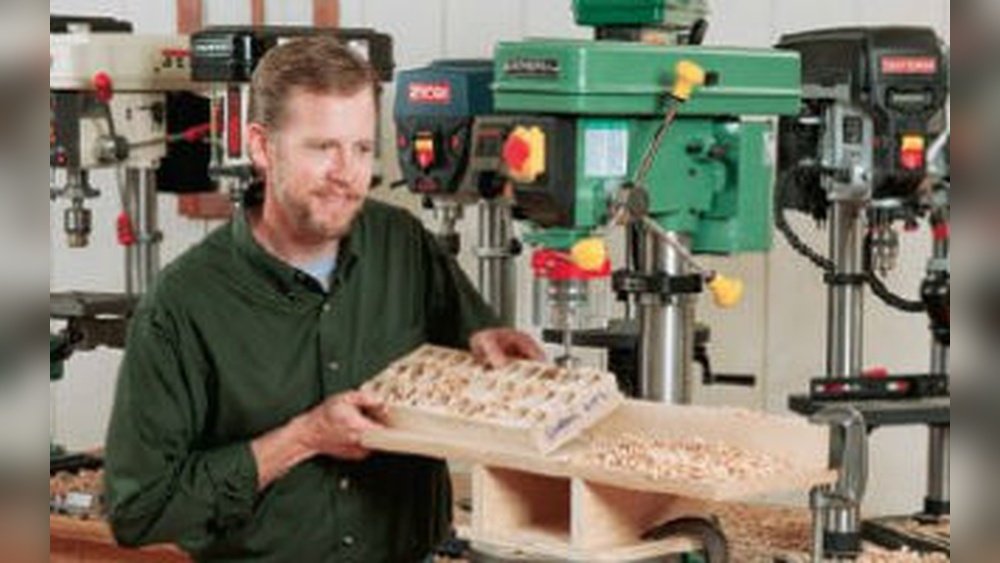
Choosing the right drill press size can feel confusing. You might wonder, “How big of a drill press do I really need?”
Getting this right matters because the size affects your work’s precision, ease, and safety. Whether you’re a hobbyist or planning bigger projects, the perfect drill press can save you time and frustration. Keep reading to discover what factors to consider so you can make a smart choice that fits your needs perfectly.

Credit: www.youtube.com
Drill Press Sizes
Choosing the right drill press size matters for your work and space. Drill presses come in different sizes. Each size fits different tasks and workshops. Knowing these sizes helps you pick the best drill press for your needs.
Small Bench Models
Small bench drill presses are compact and light. They sit on a workbench or table. These models work well for small projects and light materials. They are easy to move and store. Ideal for hobbyists and beginners. Their drill capacity is usually limited to smaller holes.
Mid-sized Drill Presses
Mid-sized drill presses offer more power and size. They handle larger materials and thicker wood or metal. These models fit medium workshops or garages. They provide more speed settings for different jobs. Good for serious DIYers and small businesses. They balance size, power, and space well.
Large Floor Units
Large floor drill presses are heavy and powerful. They stand on the floor and need more room. These units drill large holes in thick or hard materials. They suit professional shops or industrial use. They often include extra features for precision. Perfect for heavy-duty, frequent drilling tasks.
Key Specifications
Choosing the right drill press size means looking at key specifications. These details help match the tool to your projects. They affect how well the drill press works and what it can handle. Understanding these specs saves time and money.
Throat Depth
Throat depth is the distance from the drill bit to the drill press column. It limits how far you can move the material sideways. A larger throat depth means you can drill bigger pieces. Small throat depth suits small or narrow workpieces.
Spindle Travel
Spindle travel is how far the drill bit moves up and down. It controls the maximum hole depth you can drill. Longer spindle travel allows drilling thick materials. Short spindle travel works for thin materials or shallow holes.
Motor Power
Motor power tells you how strong the drill press is. Higher power motors drill harder materials easily. Low power motors suit soft materials or small holes. More power means less strain and better performance.
Material Considerations
Choosing the right drill press size depends a lot on the materials you plan to work with. Different materials require different power and drill sizes. Understanding these needs helps you pick a drill press that fits your projects well.
Woodworking Needs
Wood is soft compared to metal. It needs less power to drill through. A smaller drill press often works fine for most wood projects. You can handle thin boards or thick lumber with moderate drill size. Speed control helps avoid burning the wood. For large or heavy wood pieces, choose a drill press with a bigger table and more power.
Metalworking Requirements
Metal is hard and tough to drill. It needs a drill press with strong motor power. Bigger drill presses provide steady force for smooth holes. You need slower speeds to prevent overheating the drill bit. A press with a durable build is best for metal work. Also, consider the maximum drill bit size for thick metals.
Plastic And Composite Drilling
Plastic and composite materials vary in hardness. Some plastics are soft, while composites can be tough. A medium-sized drill press usually covers these needs well. Speed control is important to avoid melting or cracking the material. Use sharp drill bits designed for plastics. Choose a drill press that offers stability and smooth operation for clean holes.
Credit: www.rockler.com
Workspace And Footprint
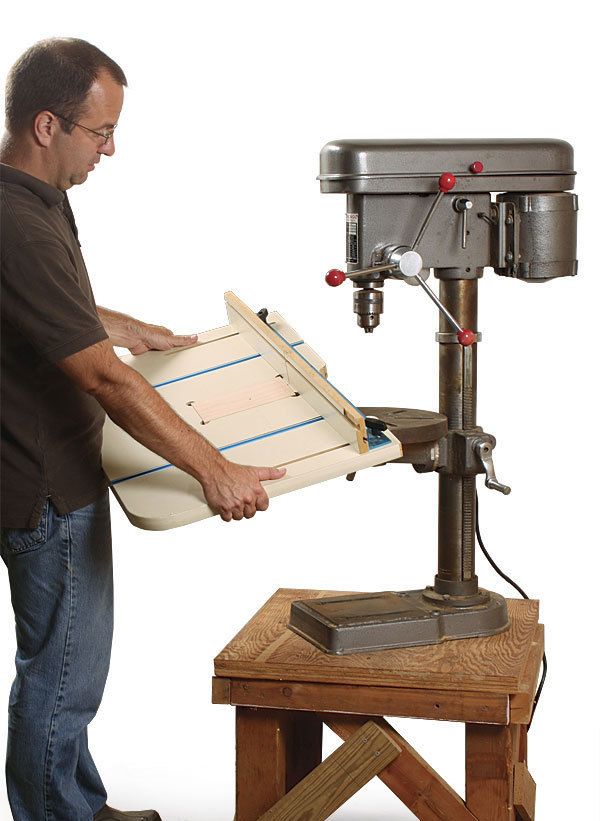
Choosing the right drill press depends a lot on your workspace size. The machine’s footprint affects where you put it and how you move around it. Understanding your workspace helps you pick a drill press that fits well without crowding your area.
Bench Space Limitations
Many small workshops have limited bench space. A large drill press may not fit on a small workbench. Measure your bench before buying. Compact drill presses work best for tight spaces. They keep your bench clear for other tools. Think about how much room you need to handle materials safely. A cramped setup slows your work and can cause accidents.
Floor Space Options
Floor-standing drill presses need more room but offer greater power. These machines suit larger workshops with open floor space. Mark the area where you want to place the drill press. Leave space around it for easy movement and material handling. A floor model may need a dedicated spot away from busy work zones. This helps avoid bumps and keeps your workspace organized.
Budget And Pricing
Choosing the right drill press depends a lot on your budget. Drill presses vary widely in price. Some are affordable for beginners, while others cost more for advanced use. Knowing your price range helps narrow your options. It also ensures you get the best value for your money. Here is a look at different budget levels.
Entry-level Choices
Entry-level drill presses usually cost less than $200. They suit hobbyists and light tasks. These models are simple and easy to use. They often have smaller motors and fewer features. They work well for soft wood, plastic, and light metal. Perfect for beginners or occasional projects.
Mid-range Options
Mid-range drill presses cost between $200 and $600. They offer better power and durability. These models handle tougher materials and longer use. You find more speed settings and adjustable parts. Good for small workshops and serious DIYers. A solid choice for mixed projects and moderate workloads.
Professional Grade Models
Professional drill presses start around $600 and can go much higher. They have strong motors and heavy-duty frames. Designed for frequent, precise, and heavy work. Features include digital readouts and variable speed controls. Ideal for metalworkers, woodworkers, and industrial use. These models last long and deliver consistent results.
Additional Features
Choosing the right drill press size is important. But extra features also improve your work. These features help with precision, safety, and ease. They make drilling easier and more accurate.
Variable Speed Control
Variable speed lets you adjust how fast the drill spins. Different materials need different speeds. Slower speeds work better for metals. Faster speeds suit wood and plastics. This control helps avoid damage to materials. It also extends the life of drill bits.
Laser Guides
Laser guides show exactly where the drill bit will hit. This helps line up holes with accuracy. It reduces mistakes and wasted material. Lasers make it easier to drill small or tight spots. They are very useful for detailed projects.
Depth Stops
Depth stops control how deep the drill bit goes. This feature prevents drilling too far. It ensures each hole is the same depth. Depth stops improve safety by avoiding accidents. They are helpful when working on delicate parts.
Safety Factors
Choosing the right drill press size is important for safety. A bigger machine is not always safer. Understanding key safety features helps you work without harm. Small details can prevent serious accidents. Safety factors include easy stops and guards.
Emergency Stops
Emergency stops let you quickly shut off the drill. They reduce injury risk during sudden problems. Find a drill press with a large, easy-to-reach stop button. This button should be visible and simple to press fast. Quick access to emergency stops saves time and protects you.
Protective Guards
Protective guards shield you from spinning parts and flying debris. They keep your hands and clothes away from the drill bit. Choose a drill press with clear, strong guards that cover moving parts well. Guards should not block your view but must protect fully. Using guards lowers the chance of cuts and accidents.
Maintenance Tips
Proper maintenance keeps your drill press working well for years. It prevents breakdowns and ensures safe operation. Regular care helps maintain accuracy and power. Focus on key areas to avoid costly repairs.
Lubrication Practices
Lubricate moving parts often. Use light machine oil for smooth operation. Avoid using too much oil to stop dirt buildup. Grease the spindle and quill as per the manual. Clean old grease before applying new. Proper lubrication reduces wear and noise.
Belt And Pulley Checks
Inspect belts for cracks or wear regularly. Replace belts that look worn or loose. Check pulley alignment to avoid belt slipping. Tighten bolts and screws on pulleys. Clean pulleys to remove dust and debris. Proper belt and pulley care keeps the drill press running smoothly.
Choosing The Right Size
Choosing the right size drill press is important for your work. The size affects what materials you can drill and how easy the machine is to use. Picking the correct size saves time and effort. It also helps you get the best results. Consider your current projects and plans before buying.
Matching Size To Project
Think about the projects you plan to do. Small projects need a small drill press. Large projects require a bigger machine. Check the size of materials you want to drill. Also, consider the drill bit sizes you will use. A drill press that fits your project size works better. It gives more control and accuracy.
Future Expansion Plans
Plan for the future. You might want to work on bigger projects later. Choose a drill press that can handle larger tasks. This saves money on upgrades. A bigger machine can do small jobs too. It offers flexibility as your skills grow. Think ahead and buy a size that meets future needs.
Credit: www.finewoodworking.com
Frequently Asked Questions
What Size Drill Press Is Best For Home Use?
A 12-inch drill press is ideal for most home projects. It offers versatility and fits standard drill bits. This size handles wood, metal, and plastic tasks efficiently. It balances power and workspace needs without being too bulky.
How To Choose Drill Press Size For Metalworking?
For metalworking, choose a drill press with at least a 15-inch swing. Larger sizes provide better leverage and stability. Ensure the machine has a powerful motor for drilling through tough metals safely.
Does Drill Press Size Affect Drilling Accuracy?
Yes, larger drill presses often provide better stability and accuracy. They reduce vibration and improve bit control. However, quality and build matter more than just size alone.
Can A Small Drill Press Handle Large Holes?
Small drill presses struggle with large holes due to limited throat capacity. For holes over 1 inch, a larger drill press is recommended. It offers the power and reach needed for big drilling jobs.
Conclusion
Choosing the right drill press size saves time and effort. Think about the materials you will work with. Small projects need smaller machines. Big jobs require stronger, larger tools. Remember your workspace limits too. A good fit helps you work safely and well.
Take your time to decide what suits you best. This way, your drill press will serve you for years. Simple steps lead to smart buying choices.
