


Are you wondering if it’s safe to use a hammer drill on porcelain? You’re not alone.
Porcelain is a tough material, and using the wrong tool can cause cracks or damage. But what if a hammer drill is your only option? Before you start, it’s important to know the right way to handle this task. You’ll discover what happens when you use a hammer drill on porcelain, how to do it without ruining your surface, and some expert tips to keep your project smooth and damage-free.
Keep reading to protect your porcelain and get the job done right.
Credit: ceramiccity.ie
Hammer Drill Basics
Understanding the basics of a hammer drill helps in using it safely and effectively. This tool combines rotation with a hammering action to drill into tough materials. Knowing how it works and its common uses guides proper handling.
How Hammer Drills Work
A hammer drill spins like a regular drill but adds a rapid hammering motion. This pounding helps break up hard surfaces like concrete or brick. The drill bit moves forward and backward quickly while spinning. This action makes drilling faster and easier in tough materials. Users can switch off the hammer mode for drilling softer materials like wood or metal.
Common Uses For Hammer Drills
Hammer drills are best for drilling into hard surfaces such as concrete, stone, and brick. They work well for installing anchors, screws, or bolts in masonry. Homeowners and professionals use them for building projects and renovations. The tool is not designed for delicate materials like porcelain or tile. Using it on such surfaces may cause cracks or damage.
Porcelain Characteristics
Porcelain is a popular material for tiles and fixtures. It looks smooth and elegant. It can last a long time if handled carefully. Understanding its features helps in choosing the right tools. This knowledge is important before using a hammer drill on porcelain.
Porcelain has a mix of strong and delicate traits. It can break if too much force is applied. Knowing the types of porcelain surfaces is key to working safely. Each type reacts differently to drilling and cutting.
Strength And Fragility
Porcelain is very hard and dense. It resists scratches and stains well. This makes it a strong surface for homes and offices. But porcelain is also brittle. It can crack or chip under sharp impacts. Using heavy tools without care risks damaging it. Small mistakes can lead to costly repairs.
Types Of Porcelain Surfaces
There are many porcelain types. Glazed porcelain has a smooth, shiny top layer. It looks beautiful but can chip if hit hard. Unglazed porcelain is rougher and less shiny. It is less likely to chip but harder to drill. Polished porcelain is very smooth and shiny. It needs careful handling to avoid cracks. Each surface type needs different drilling methods and tools.
Hammer Drills And Porcelain Risks
Hammer drills are powerful tools designed for tough jobs like drilling into concrete. Using them on porcelain surfaces carries risks. Porcelain is hard but brittle. The force from a hammer drill can cause damage quickly. Understanding these risks helps protect your porcelain items.
Potential Damage To Porcelain
The strong impact of a hammer drill can crack porcelain. The vibrations may cause tiny fractures inside the material. These fractures weaken the porcelain over time. Chips can break off the surface during drilling. Porcelain tiles or fixtures lose their smooth finish. Damage might not show immediately but worsens with use.
Signs Of Cracking And Chipping
Look for small lines or spiderweb cracks on porcelain. These cracks often start near drill holes or edges. Chipping appears as small pieces missing from the surface. You might feel rough spots or uneven areas. Water can seep into cracks, causing stains or further damage. Early detection helps prevent larger problems later.
Credit: www.homedepot.com
Alternative Drilling Tools For Porcelain
Drilling into porcelain requires care and the right tools. Using a hammer drill might damage the delicate surface. Choosing the right alternative tools helps protect your porcelain and gives clean holes. Below are some common alternatives that work well for porcelain.
Using A Rotary Drill
A rotary drill is a safer choice for porcelain. It spins smoothly without hammering, reducing cracks. Use it at a low speed to control pressure. Keep the drill steady and avoid pushing too hard. Water can cool the drill bit and porcelain. This prevents overheating and cracking during drilling.
Specialized Drill Bits
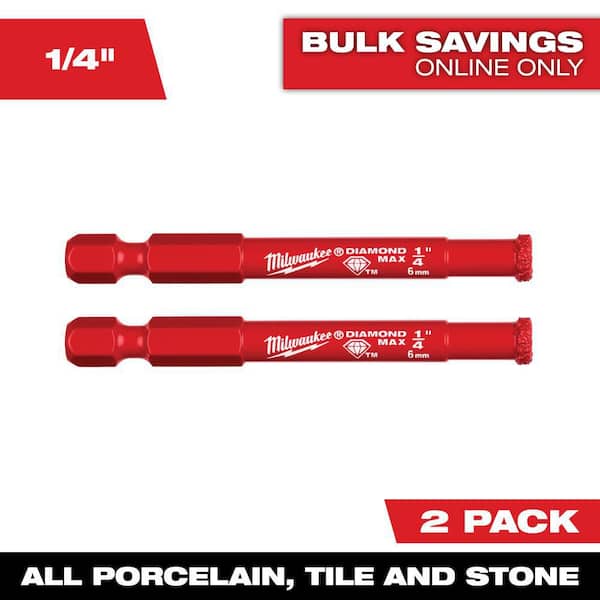
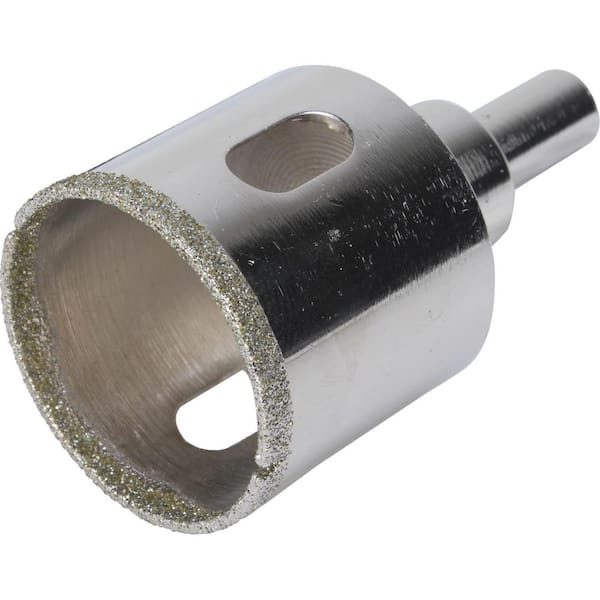
Standard drill bits can cause chipping on porcelain. Specialized drill bits designed for tile or glass work better. Diamond-tipped or carbide bits cut through porcelain gently. They last longer and make cleaner holes. Always start with a small bit, then increase size gradually. This method avoids sudden pressure on the porcelain surface.
Expert Tips For Drilling Porcelain
Drilling porcelain requires care and the right approach. Porcelain is hard and brittle. A wrong move can cause cracks or chips. Follow expert tips to protect your surface and get clean holes every time.
Preparing The Surface
Clean the porcelain well before drilling. Remove dirt and grease. Place a piece of masking tape over the spot. The tape helps stop the drill bit from slipping. Mark the drilling point on the tape with a pencil. Use a drill bit made for tiles or glass.
Drilling Techniques To Avoid Damage
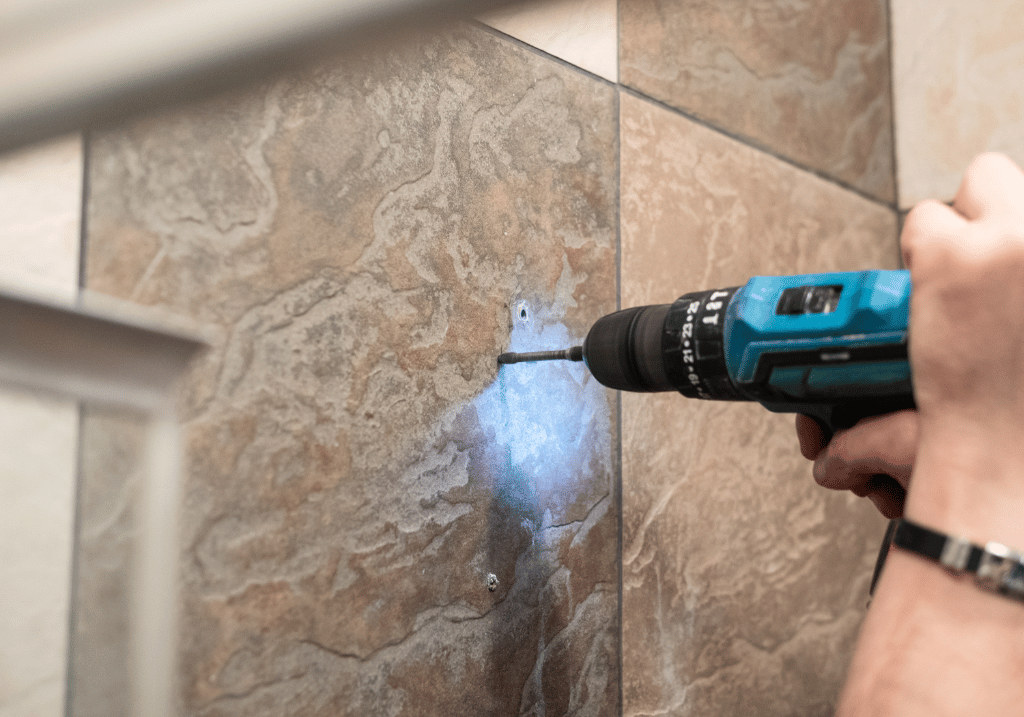
Start with a slow speed on your drill. Do not use the hammer function on a hammer drill. Hammer action can crack porcelain. Apply light and steady pressure. Let the drill bit do the work. Pause now and then to cool the bit with water. This reduces heat and prevents damage.
Safety Precautions
Wear safety glasses to protect your eyes. Use a mask to avoid inhaling dust. Keep your hands steady but away from the drill bit. Work in a well-lit space. Keep children and pets away during drilling. Always unplug the drill before changing bits.
When To Call A Professional
Knowing when to call a professional can save time and money. Some drilling tasks need special tools and skills. Using a hammer drill on porcelain might seem easy, but some jobs are too hard or risky. Experts have the right experience to handle tricky work safely. This section explains when hiring a pro is the best choice.
Complex Projects
Complex projects need precise work and careful planning. Drilling into porcelain tiles near plumbing or electrical lines can cause damage. Professionals know how to avoid breaking tiles or hitting pipes. They use the right drill bits and techniques for clean holes. For large or detailed jobs, a pro prevents errors and saves your tiles.
Avoiding Costly Mistakes
Wrong drilling can crack porcelain and ruin your project. Fixing broken tiles is costly and time-consuming. Professionals have experience to reduce risks and errors. They use proper tools and steady hands to keep tiles intact. Hiring a pro avoids wasted materials and extra repair bills. It is smart to protect your investment this way.
Credit: www.homedepot.com
Frequently Asked Questions
Can You Use A Hammer Drill On Porcelain Tiles?
Using a hammer drill on porcelain tiles is generally not recommended. Hammer action can crack the tile. Use a regular drill with a diamond-tipped bit for safer, cleaner holes.
What Drill Bit Is Best For Porcelain?
A diamond-tipped or carbide-tipped drill bit is best for porcelain tiles. These bits provide precision and reduce the risk of cracking the tile.
How To Prevent Porcelain Tile Damage While Drilling?
Use a slow speed and steady pressure when drilling porcelain. Place masking tape on the tile to prevent slipping and cracking during drilling.
Is A Hammer Drill Necessary For Porcelain?
A hammer drill is not necessary for porcelain tiles. Regular drills with proper bits work well and reduce damage risk.
Conclusion
Using a hammer drill on porcelain can cause cracks or damage. Porcelain is delicate and needs gentle handling. A regular drill with a special bit works better. Take time and drill slowly to avoid breaking the tile. Always protect the surface and wear safety gear.
Careful work leads to good results and fewer problems. Choose the right tool for porcelain jobs to keep things safe and smooth.
