

Are you wondering if your hammer drill can handle steel? It’s a common question for anyone tackling tough projects.
You might think a hammer drill is only for concrete or masonry, but what about metal? Knowing the right tools to use can save you time, effort, and frustration. You’ll discover whether your hammer drill is up for the task and learn the best tips to get the job done right.
Keep reading—you’re about to find out exactly what you need to know to work on steel like a pro.
Hammer Drill Basics
A hammer drill is a power tool designed to drill holes in hard materials. It can drill into concrete, brick, wood, and metal. Understanding how a hammer drill works helps decide if it can work on steel.
Hammer drills combine rotary drilling with a hammering action. This makes drilling faster and easier, especially on tough surfaces. Knowing the types of hammer drills also helps choose the right one for steel.
How Hammer Drills Work
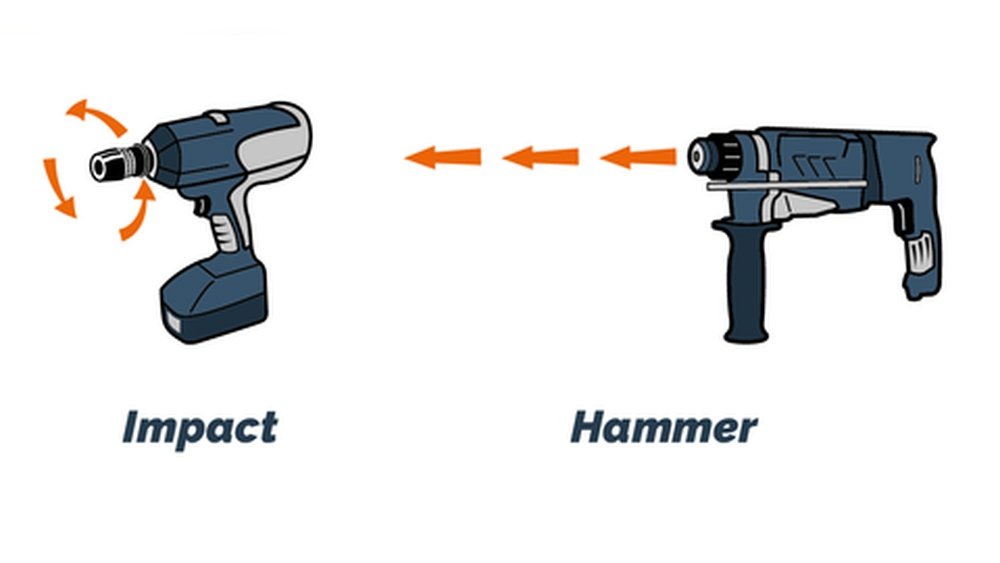
A hammer drill has two main actions: rotation and hammering. The drill bit spins like a regular drill. At the same time, it moves forward and backward rapidly. This hammering motion breaks the material while the bit rotates.
This action helps drill into hard surfaces such as concrete and stone. The hammering force reduces the effort needed to drill. The tool uses a special clutch to create the hammer effect.
Types Of Hammer Drills
There are two main types of hammer drills: mechanical and electro-pneumatic. Mechanical hammer drills use a cam mechanism to create hammering. Electro-pneumatic hammer drills use air pressure for a stronger hammer action.
Electro-pneumatic drills are often called rotary hammers. They work better on very hard materials. Mechanical hammer drills are lighter and good for lighter tasks. Choosing the right type depends on the material and job size.

Credit: worksitetool.com
Drilling Into Steel
Drilling into steel requires careful attention to tools and technique. Steel is a tough material that demands power and precision. Using the right drill and drill bit can make the job easier and safer. A hammer drill can work on steel, but it needs the proper setup.
Understanding steel’s properties and selecting suitable drill bits helps achieve clean holes. This section covers key points about drilling into steel.
Steel Properties And Challenges
Steel is hard and dense. It resists cutting and drilling easily. This makes drilling slow and tough without the right tools.
Steel’s hardness causes drill bits to wear quickly. Heat builds up fast during drilling. This can damage both the steel and the drill bit.
Steel also bends or warps under pressure. Drilling too fast or using too much force can ruin the workpiece.
Suitable Drill Bits For Steel
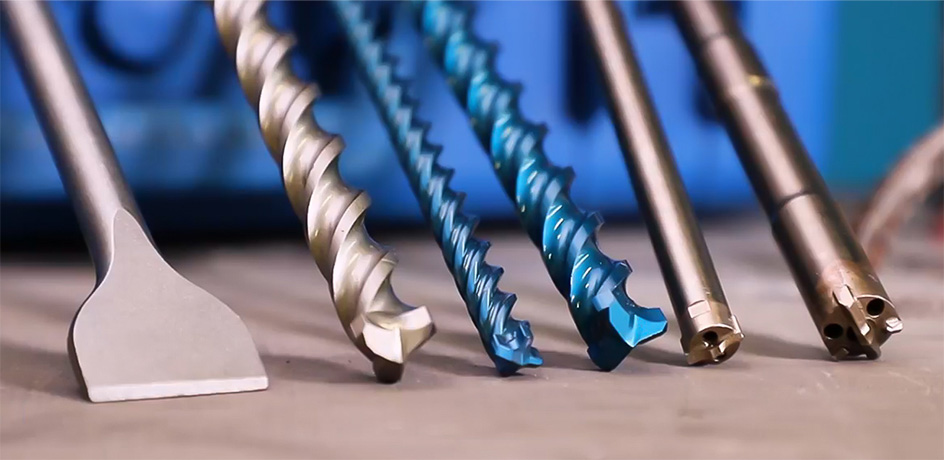
High-speed steel (HSS) drill bits work well with steel. They stay sharp and resist heat better than regular bits.
Cobalt drill bits are even stronger. They handle tough steel and last longer. These bits are perfect for thick or hardened steel.
Carbide-tipped bits offer the best durability. They cut through steel smoothly but cost more. Use them for heavy-duty steel drilling.
Always use cutting oil or lubricant. It cools the drill bit and reduces friction. This helps drill faster and keeps the steel safe.
Hammer Drill On Steel
Using a hammer drill on steel can be tricky. Steel is hard and dense. It needs the right tools and techniques. Hammer drills are designed to drill into hard materials. But steel is different from concrete or brick. Understanding how the hammer drill works on steel is important for good results and safety.
The hammer drill has two modes: hammer mode and drill mode. The hammer mode adds a pounding action to the drill bit. This helps break up hard materials. But steel does not break like concrete. This affects how well the hammer mode works on steel.
Effectiveness Of Hammer Mode
Hammer mode is not very effective on steel. The pounding action can damage the drill bit. Steel requires smooth, strong pressure to cut through. The hammer action may cause the bit to slip or wear out quickly. It can also create heat, which harms both the bit and steel.
For steel, a steady drilling motion works better. Use the drill mode without hammer action. This helps the bit cut through steel cleanly. Also, use drill bits made for metal. They last longer and make cleaner holes.
When To Use Hammer Function
Use the hammer function only on hard, brittle materials. Concrete, brick, and stone respond well to hammer action. This breaks up the material for easier drilling. Avoid hammer mode on steel or other metals.
When drilling through steel, switch to normal drill mode. Apply firm, even pressure on the drill. Keep the drill speed moderate to control heat. Using cutting oil can also help. It cools the metal and bit, extending their life.
Credit: www.allfasteners.com.au
Techniques For Perfect Holes
Drilling perfect holes in steel requires skill and the right methods. Using a hammer drill on steel is possible, but careful technique matters. Small mistakes can cause rough or uneven holes. Focus on speed, pressure, and cooling to get smooth results.
These techniques help the drill bit last longer and improve hole quality. Attention to detail makes a big difference.
Drilling Speed And Pressure
Keep the drill speed slow to medium. Steel is tough and heats up quickly. High speed can burn the drill bit or metal. Use steady pressure, not too hard. Pressing too much can break the bit or make the hole uneven. Let the drill do the work. Maintain a firm grip and steady hand.
Lubrication And Cooling Tips
Use oil or cutting fluid on the drill bit. This reduces friction and cools the metal. It stops the bit from overheating and dulling. Apply the lubricant before and during drilling. If no cutting fluid is available, water can help but oil works best. Pause often to let the drill and metal cool down. Cool tools last longer and cut cleaner holes.
Safety Measures
Using a hammer drill on steel requires careful attention to safety. Steel is tough and can cause accidents if handled carelessly. Proper safety measures protect you from injury and damage to tools. Follow simple steps to stay safe and work effectively.
Always prepare before drilling. Check your tools and wear the right gear. Small precautions make a big difference.
Protective Gear Essentials
Wear safety goggles to protect your eyes from metal shards. Steel fragments can fly off and cause serious harm. Use gloves to protect your hands from sharp edges and heat. A dust mask prevents inhaling metal dust. Ear protection helps reduce noise from the drill. Dress in long sleeves and sturdy clothes to shield your skin.
Preventing Drill Bit Damage
Choose the right drill bit made for steel. Using the wrong bit can cause breakage and accidents. Keep the drill bit cool by applying oil during drilling. Heat weakens the bit and reduces its life. Use slow, steady pressure to avoid bending or snapping the bit. Stop drilling if the bit gets stuck and clear the debris carefully.

Credit: www.youtube.com
Alternatives For Steel Drilling
Drilling into steel requires the right tools and techniques. Hammer drills often struggle with steel because they rely on a hammering action. This action is not suitable for hard metals like steel. Instead, there are better options designed to handle this tough material. These alternatives make drilling easier and safer.
Using Drill Press
A drill press is a strong tool for drilling steel. It holds the metal steady, preventing slips. This control helps create accurate holes. The drill press uses a slow, steady speed, which is best for steel. It also applies consistent pressure, making the job easier. Using sharp drill bits designed for metal is important. This tool reduces mistakes and saves time.
Other Power Tools Options
Cordless drills with metal drill bits can work on steel. Choose a drill with variable speed control. A slower speed helps prevent overheating and damage. An angle grinder with a cutting disc can create holes. It needs steady hands and safety gear. Some professionals use magnetic drills for thick steel. These tools clamp to the metal for stability. They offer power and precision for tough jobs.
Frequently Asked Questions
Can A Hammer Drill Penetrate Steel Effectively?
Yes, a hammer drill can penetrate steel but requires the right drill bit. Use high-speed steel or cobalt bits for best results. Hammer function should be off to avoid damaging the bit or material. Proper speed and pressure are essential for effective drilling.
Is A Hammer Drill Suitable For Drilling Steel Sheets?
Hammer drills are not ideal for thin steel sheets. The hammer action can cause dents or warping. Use a regular drill with a sharp metal bit instead. For thicker steel, a hammer drill with the hammer function disabled works better.
What Type Of Drill Bit Is Best For Steel With A Hammer Drill?
High-speed steel (HSS) and cobalt drill bits are best for steel. They resist heat and maintain sharpness. Carbide bits are also effective but more expensive. Always ensure the hammer function is turned off when drilling steel to prevent damage.
Can A Hammer Drill Damage Steel Materials?
Yes, if used incorrectly, hammer drills can damage steel. The hammer action may cause cracks or deformation. Always disable the hammer mode when drilling steel. Use appropriate bits and steady pressure to avoid damaging the material.
Conclusion
A hammer drill can work on steel with the right drill bit. Use a high-speed steel or cobalt bit for best results. Keep the drill at a slow speed to avoid damage. Applying steady pressure helps the drill cut through the metal.
Remember, hammer action is not needed for steel; it may harm the tool. With proper care and technique, drilling steel becomes easier. Always wear safety gear to protect yourself. Practice on scrap metal before starting your main project. This approach saves time and prevents mistakes.
