

Have you ever wondered if the terms used for a lathe and a drill press are the same? If you work with these tools or are just starting out, understanding their language can make a big difference.
Using the right words helps you learn faster, avoid mistakes, and communicate clearly with others. You’ll discover whether the lathe and drill press share the same nomenclature or if each tool has its own unique vocabulary. Keep reading—what you learn here could change how you approach your next project.

Credit: www.topdealsonline.shop
Lathe Basics
The lathe is a vital tool in metalworking and woodworking. It spins the workpiece, allowing shaping and cutting. Understanding lathe basics helps in using it safely and effectively. This section covers key parts and common terms.
Key Components
The lathe has several important parts. The bed is the base that holds everything steady. The headstock contains the motor and spindle, which spins the workpiece. The tailstock supports the other end of the workpiece. The carriage moves the cutting tool along the workpiece. The tool post holds the cutting tool in place.
Common Terms
Several terms describe lathe operations and parts. “Spindle speed” means how fast the workpiece spins. “Feed” is the movement of the tool against the workpiece. “Chuck” grips the workpiece tightly. “Turning” means cutting the outside of the workpiece. “Facing” smooths the end of the workpiece. These terms are essential for understanding lathe work.
Drill Press Essentials
The drill press is a powerful tool used for making precise holes in wood, metal, and other materials. It holds the drill bit steady and moves it straight down into the workpiece. This makes drilling safer and more accurate than using a handheld drill.
Understanding the drill press’s key parts and terms helps users operate it correctly. This knowledge also makes it easier to compare it with other tools like the lathe. Let’s explore the main parts and typical terminology of the drill press.
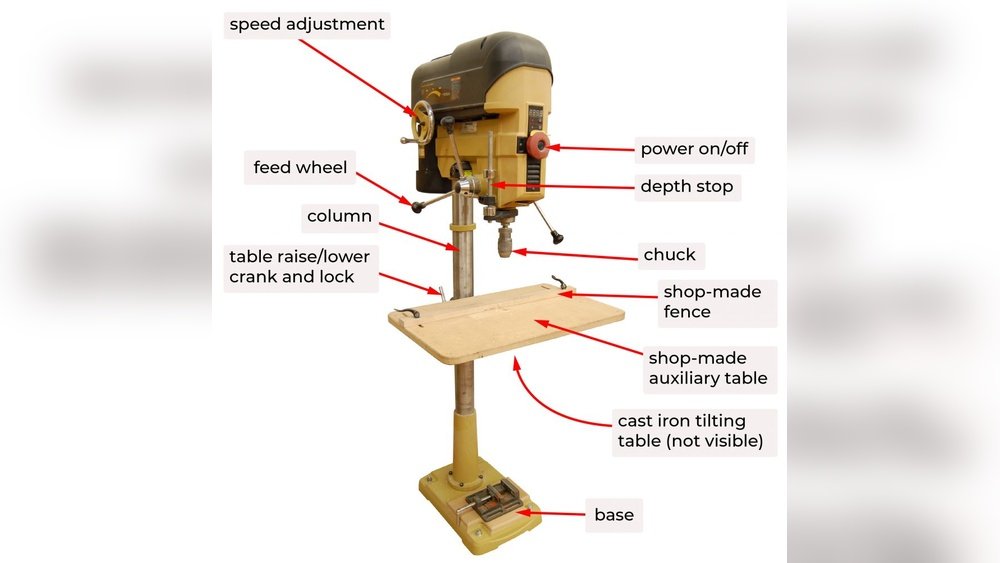
Main Parts
The base supports the entire drill press and keeps it stable. The column is a strong vertical pole that holds the head and table. The table holds the workpiece and can move up or down along the column.
The head contains the motor and the spindle, which spins the drill bit. The feed lever controls the spindle’s movement, allowing the drill bit to move down into the material. The chuck holds the drill bit tightly in place.
Typical Terminology
Spindle speed refers to how fast the drill bit spins. It can be adjusted to fit different materials and drill bit sizes. The quill is the part that moves the spindle up and down. The depth stop limits how deep the drill bit goes into the workpiece.
The table tilt allows the table to angle, helping to drill at different angles. The feed handles are used to move the spindle down smoothly. Knowing these terms helps users understand instructions and operate the drill press safely.
Comparing Lathe And Drill Press Terms
Comparing lathe and drill press terms helps users understand both tools better. Both machines shape materials but serve different purposes. Knowing their language aids communication and learning. This section explores shared and unique terms of lathe and drill press.
Shared Nomenclature
Some terms appear in both lathe and drill press. Words like “spindle,” “chuck,” and “tool post” are common. Both use a spindle to hold the tool or workpiece. The chuck grips the material firmly in place. These shared words create a basic understanding across machines.
Distinct Vocabulary
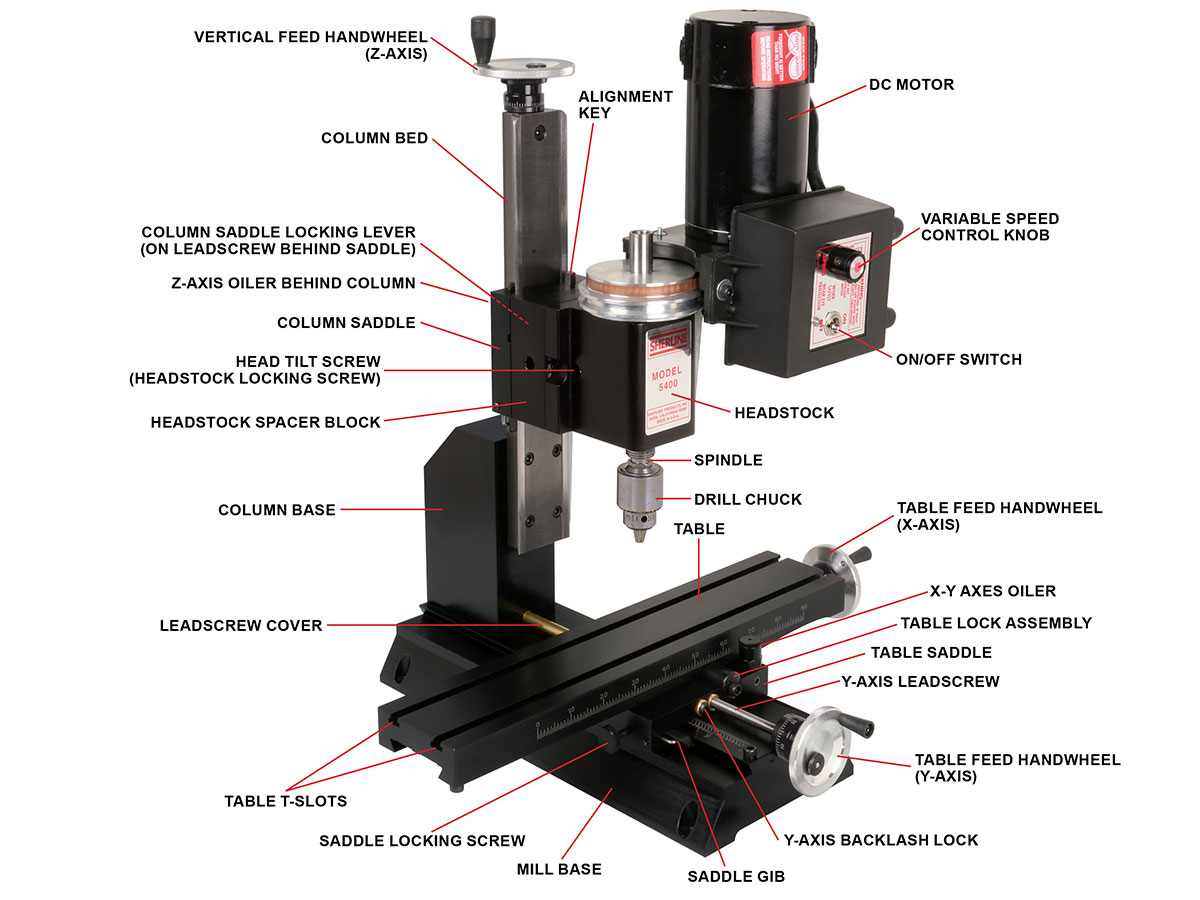
Each machine also has its unique terms. The lathe uses “carriage,” “cross slide,” and “tailstock.” These parts help move the tool and support the workpiece. The drill press uses “quill,” “table,” and “feed lever.” The quill holds the drill bit and moves it up and down. These unique words reflect the machines’ specific functions and design.
Credit: www.sherline.com
Why Terminology Differences Matter
Understanding why terminology differences matter is key when working with lathes and drill presses. Both machines have unique parts and functions. Using the right words helps avoid mistakes and confusion. Clear terms improve communication among workers and instructors. This clarity supports better learning and safer operation.
Impact On Operation
Each machine uses specific terms for its parts and controls. Mixing these terms can cause errors during setup or use. For example, a “chuck” on a lathe holds the workpiece differently than on a drill press. Knowing the correct terms helps users operate machines smoothly and accurately. It reduces downtime caused by misunderstandings or incorrect adjustments.
Safety Considerations
Safety rules rely on proper terminology. Instructions often name parts or actions clearly. Misunderstanding terms can lead to unsafe handling or accidents. Using correct language ensures workers follow safety steps correctly. It helps identify hazards and apply the right precautions. Clear terms also improve emergency response and training effectiveness.
Tips For Learning Machine Terms
Learning machine terms can feel tricky at first. These terms help you understand how different tools work. Knowing the right words makes it easier to follow instructions and work safely. This section shares tips to help you learn these terms effectively.
Effective Study Methods
Start by focusing on one machine at a time. Learn the parts and their functions clearly. Use flashcards to remember terms faster. Watching videos can show how machines operate in real life. Practice saying the words out loud to improve memory. Draw simple diagrams to connect terms with parts. Repeat your study sessions regularly. Small, daily steps help more than long, rare ones.
Common Mistakes To Avoid
Avoid trying to learn all terms at once. It can cause confusion and slow progress. Do not ignore the difference between similar terms. Mixing words from lathe and drill press can lead to errors. Avoid skipping hands-on practice; theory alone is not enough. Do not rely only on one source of information. Check multiple resources to confirm meanings. Avoid rushing; take your time to understand each term well.

Credit: www.amazon.com
Frequently Asked Questions
Do Lathe And Drill Press Share The Same Terminology?
No, lathe and drill press have distinct terminologies. Each machine serves different functions, requiring unique parts and terms. Understanding these differences helps operators use the machines effectively and safely.
What Key Terms Differ Between Lathe And Drill Press?
Terms like “chuck,” “spindle,” and “feed” exist in both machines but mean different things. A lathe’s spindle rotates the workpiece, while a drill press spindle holds the drill bit. Knowing these distinctions is crucial for proper machine operation.
Can Lathe Terms Apply Directly To A Drill Press?
No, lathe terms do not directly apply to a drill press. Each tool uses specific jargon suited to its mechanics. Misusing terms can lead to confusion or errors in machining processes.
Why Is Understanding Nomenclature Important For Machine Operators?
Understanding machine nomenclature ensures correct usage and maintenance. It improves communication among operators and enhances safety. Accurate terminology helps avoid mistakes and improves overall machining quality.
Conclusion
The lathe and drill press share some common names. Yet, many terms differ between these machines. Understanding each tool’s unique words helps avoid confusion. Knowing the right names makes working easier and safer. Always check the tool’s manual for clear definitions.
Clear language supports better communication in workshops. Keep learning and practicing to get comfortable with terms. This knowledge helps you use both machines well. Simple terms make the work smooth and efficient. Stay curious and open to learning new words.
