


Are you struggling to get the perfect speed on your drill press? Adjusting the speed correctly can make all the difference in your project’s quality and safety.
Whether you’re working with wood, metal, or plastic, knowing how to change your drill press speed gives you better control and cleaner results. In this guide, you’ll discover simple steps to adjust the speed quickly and confidently, so you can tackle any job like a pro.
Keep reading to master this essential skill and take your drilling to the next level.

Credit: www.reddit.com
Drill Press Speed Basics
Understanding drill press speed is key to working safely and effectively. The right speed helps you drill clean holes and prevents damage to your tools and materials. Different projects need different speeds. Knowing the basics makes adjusting the speed easier.
Why Speed Matters
Speed affects how well the drill cuts through material. Too fast can burn the bit or melt the material. Too slow can cause rough holes or break the bit. The right speed keeps the drill bit sharp and your work neat. It also helps avoid accidents.
Common Speed Ranges
Drill presses usually run between 500 and 3000 RPM. Soft materials like wood need higher speeds. Hard materials like metal require slower speeds. Most machines let you change speed by adjusting belts or using a dial. Knowing the right speed range helps you pick the best setting fast.
Types Of Drill Presses
Drill presses come in different types. Each type has its own way to adjust speed. Knowing these types helps you use the drill press better. It also helps you pick the right model for your tasks.
Belt-driven Models
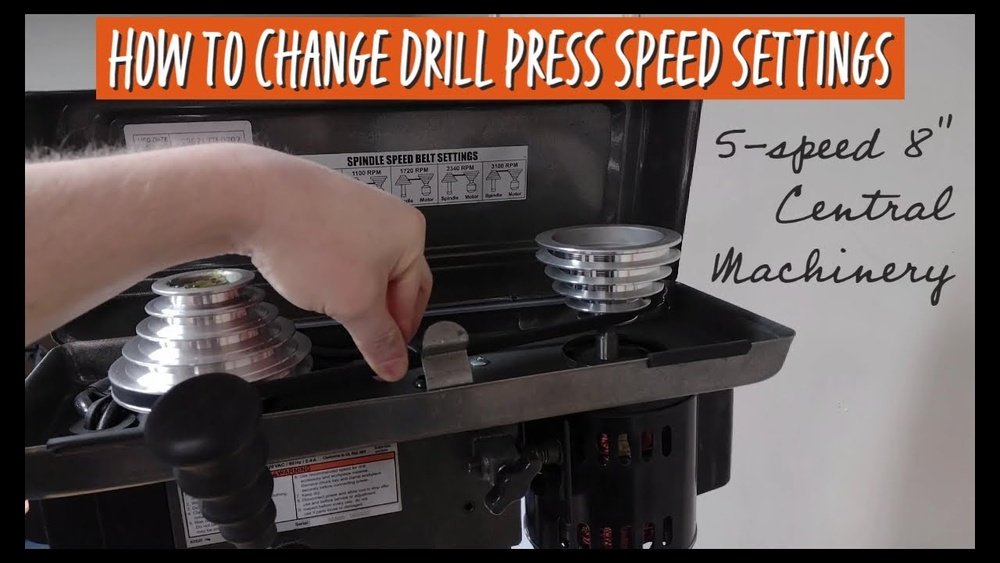
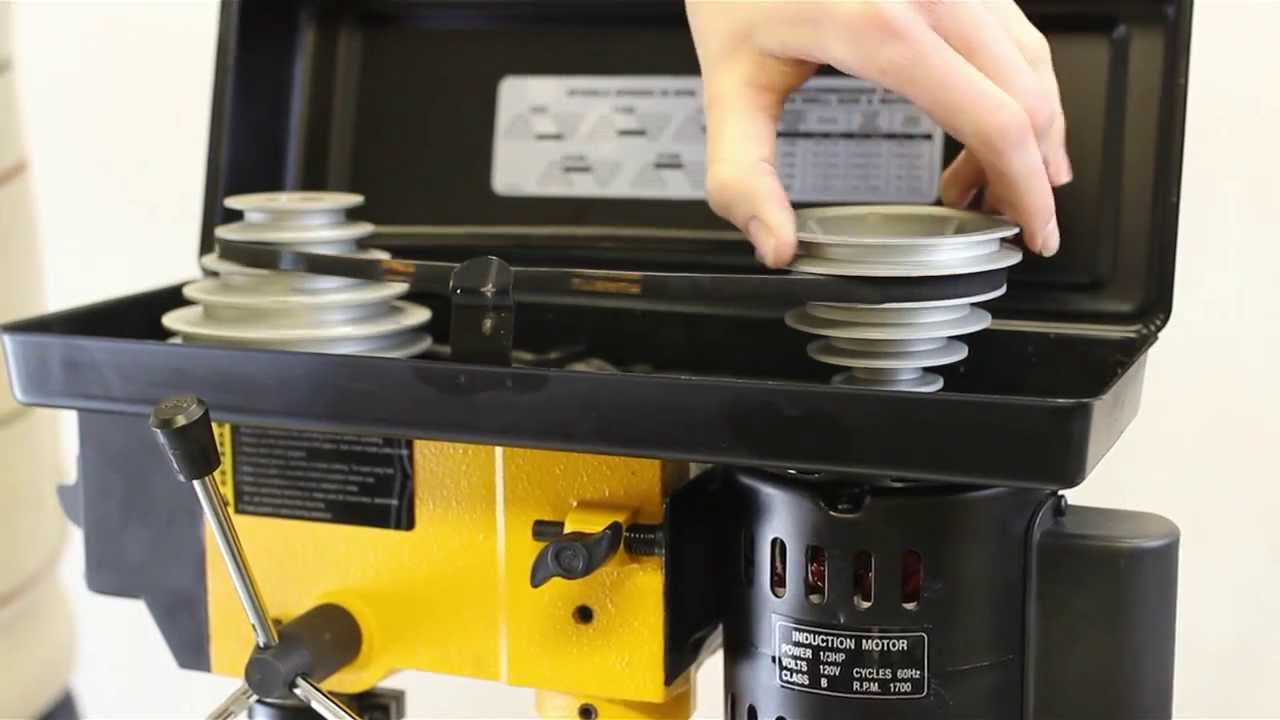
Belt-driven drill presses use belts and pulleys. You change speed by moving the belt to different pulleys. This changes the drill’s rotation speed. It is simple but requires stopping the machine first. This type is common in many workshops.
Gear-driven Models
Gear-driven models use gears to set speed. You switch gears to change how fast the drill spins. This system is strong and lasts long. It is good for heavy work and tough materials. Speed changes are quick but must be done with care.
Variable Speed Models
Variable speed drill presses let you adjust speed with a dial or lever. This allows smooth and easy speed control. You can change speed while the drill runs. This type is best for precise work. It fits both beginners and advanced users.
Tools Needed For Adjustment
Adjusting the speed on a drill press requires a few basic tools. These tools help you change the settings safely and accurately. Having the right items ready makes the process smooth and efficient. Knowing what tools you need is the first step to a quick adjustment.
Essential Tools
A wrench or spanner is needed to loosen and tighten the pulleys. Most drill presses use a belt and pulley system for speed changes. A screwdriver might be required to open any covers or guards. Some models include a manual or a speed chart to guide you. Keep a clean cloth handy to wipe dust or grease from parts.
Safety Gear
Safety glasses protect your eyes from flying debris. Gloves can prevent cuts and bruises while handling parts. Avoid loose clothing or jewelry that might catch in moving parts. Use ear protection if noise levels are high. Always unplug the drill press before making adjustments to avoid accidents.
Adjusting Speed On Belt-driven Drill Press
Adjusting the speed on a belt-driven drill press helps you work better with different materials. Lower speeds work well for metals, and higher speeds suit wood. Changing the speed is simple but needs care. Follow these steps to adjust the drill press speed safely and correctly.
Unlocking The Belt Cover
First, find the belt cover on top of the drill press. It usually has a latch or screws. Open the cover gently to see the belts and pulleys inside. Be careful not to force it open. Keep your hands clear of any moving parts.
Changing Belt Position
Look at the pulleys and find the belt. The belt sits on two pulleys of different sizes. Moving the belt to a larger pulley on the motor and a smaller pulley on the spindle increases speed. Move the belt to a smaller pulley on the motor and a larger pulley on the spindle to reduce speed. Shift the belt carefully to avoid damage.
Tightening The Belt
After moving the belt, check its tightness. Press the belt gently; it should not sag or be too tight. Loosen the motor mount bolts to adjust the motor position. Slide the motor to tighten or loosen the belt. Tighten the bolts again to hold the motor in place. Proper belt tension helps the drill press run smoothly and last longer.
Adjusting Speed On Gear-driven Drill Press
Adjusting the speed on a gear-driven drill press allows you to control the drilling power. Different materials and drill bits need different speeds. Knowing how to change the speed helps you work safely and efficiently.
Accessing The Gearbox
Start by turning off and unplugging the drill press. Locate the gearbox cover, usually on top of the machine. Use a screwdriver to remove the screws holding the cover. Carefully lift the cover to see the gears inside. Keep the screws in a safe place for later.
Selecting The Gear
Inside the gearbox, you will find several gears of different sizes. Changing gears changes the speed of the drill press. Move the gears to the desired position by sliding or rotating them gently. Match the gear setup with the speed chart on the machine. This chart helps pick the right gear for the task.
Securing The Gearbox
Once the gears are in place, replace the gearbox cover carefully. Align it properly to avoid damage. Screw the cover back tightly to hold the gears. Double-check that the cover is secure before turning the drill press on. This keeps the gears safe and the machine working well.
Using Variable Speed Controls
Using variable speed controls on a drill press allows you to change the drilling speed easily. This control helps match the speed to the material you work with. It improves precision and safety while drilling. Most modern drill presses have this feature for quick adjustments.
Locating The Speed Dial
The speed dial is usually on the front or side of the drill press. It looks like a round knob or a small wheel. Sometimes, it has numbers or marks to show speed levels. Find this dial before you start drilling. It lets you pick the right speed without stopping your work.
Adjusting Speed Electronically
Some drill presses use electronic controls instead of manual dials. You can press buttons or slide a lever to change speed. The speed shows on a small screen or indicator. This method gives smooth and quick speed changes. It helps keep steady control during delicate drilling tasks.
Testing And Fine-tuning Speed
Testing and fine-tuning the speed on a drill press is important for the best results. Different materials need different speeds. Too fast can damage the material or drill bit. Too slow can make drilling hard and take more time. Testing helps find the right speed for your project.
Running A Test Drill
Start by setting the drill press to a medium speed. Use a scrap piece of the same material you will drill. Drill a small hole to check how the drill bit works at this speed. Look for smooth cutting and no burning or smoke. If the drill bit slips or the hole is rough, adjust the speed.
Adjusting For Material Type
Soft materials like wood need higher speeds for clean holes. Hard materials like metal require slower speeds to avoid damage. For plastics, use moderate speed to prevent melting. Always adjust the drill press speed based on the material. This protects both the drill bit and the material.

Credit: www.reddit.com
Common Mistakes To Avoid
Adjusting the speed on a drill press is simple but mistakes can cause problems. Knowing what to avoid helps keep your tool safe and working well. Avoiding common errors saves time and effort. Here are two frequent mistakes to watch out for.
Overtightening Belts
Many users tighten belts too much. This can wear out the belt quickly. It may also damage the motor or pulleys. The belt should be snug but not stiff. Check the tension by pressing the belt gently. It should move a little without slipping. Proper tension improves performance and extends the belt’s life.
Ignoring Manufacturer Guidelines
Each drill press comes with specific instructions. These include speed settings and belt adjustments. Ignoring these rules may cause damage. The machine may not work as expected. Follow the manual to keep your drill press safe. Using the right speed for your task prevents accidents. Always read and follow the manufacturer’s advice carefully.
Maintenance Tips For Consistent Speed
Maintaining a drill press ensures it runs smoothly and keeps a steady speed. Regular care helps prevent speed fluctuations and mechanical wear. Simple habits make a big difference in performance and longevity.
Regular Cleaning
Dust and debris build up inside the drill press. Clean the pulleys and belts often. Use a soft brush or cloth to remove dirt. Avoid using water or harsh chemicals. Keeping parts clean stops slipping and speed changes.
Lubrication Points
Moving parts need proper lubrication to work well. Check the manual for oil or grease spots. Apply lubricant to the spindle, gears, and bearings. This reduces friction and wear. Smooth movement keeps the speed steady and reliable.
Credit: www.youtube.com
Frequently Asked Questions
How Do You Change Drill Press Speed Safely?
To change speed safely, first turn off and unplug the drill press. Adjust the belt on the pulleys or use the speed control lever. Always ensure the belt is properly seated before powering on the machine.
What Tools Are Needed To Adjust Drill Press Speed?
You typically need no extra tools. Some models require a wrench to loosen the motor mount. Others have a lever or knob for easy speed adjustment. Always check your drill press manual for specific instructions.
Why Is Adjusting Drill Press Speed Important?
Speed adjustment ensures optimal drilling performance and safety. Different materials require different speeds to prevent damage. Proper speed extends bit life and improves precision in your work.
Can I Damage The Drill Press By Changing Speed Wrong?
Yes, improper speed changes can cause belt slippage or motor strain. Always follow manufacturer instructions and avoid forcing the belt or pulleys. Incorrect speed settings may also damage your drill bits.
Conclusion
Adjusting the speed on a drill press helps you work better and safer. Different materials need different speeds to avoid damage. Always check the belt and pulley positions before starting. Use the right speed for metal, wood, or plastic drilling.
Taking time to set the speed correctly saves effort and improves results. Practice makes it easier to switch speeds quickly and confidently. Keep your drill press in good shape for smooth operation. Simple steps lead to better drilling every time.
