


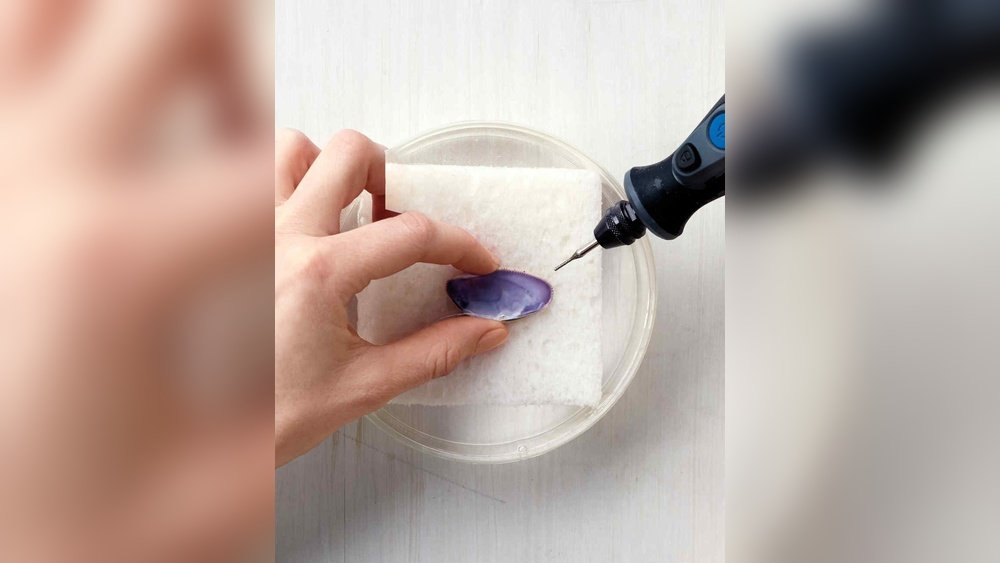
Have you ever wanted to turn beautiful shells into unique jewelry or decorations but didn’t know how to start? Drilling into shells might seem tricky, but with the right tips, you can do it safely and easily.
In this guide, you’ll discover simple steps to drill perfect holes without cracking or breaking your shells. Keep reading, and you’ll be creating stunning shell crafts that impress everyone around you.

Credit: www.youtube.com
Choosing The Right Shells
Choosing the right shells is key to a successful drilling project. The type and condition of the shell affect the drilling process. Picking shells that are strong and intact makes drilling easier and safer.
Some shells work better than others for drilling. Knowing which ones to pick saves time and effort. Also, checking shells for cracks helps avoid breakage during drilling.
Best Shell Types For Drilling
Hard shells like conch and cowrie are ideal for drilling. They have thick surfaces that resist cracking. These shells hold up well under pressure and drilling tools.
Scallop and clam shells work too, but choose bigger pieces. Thin or fragile shells often break or crack easily. Avoid shells with worn or thin edges.
Inspecting Shells For Cracks
Look closely for cracks before drilling. Even small cracks can cause the shell to break. Hold the shell up to light to spot fine lines.
Tap the shell gently with your finger. A clear, sharp sound means the shell is strong. A dull or hollow sound suggests hidden cracks.
Gathering Essential Tools
Gathering the right tools is the first step to successfully drill into shells. Using proper equipment makes the process easier and prevents damage. It also ensures safety while working on delicate shells. Below are essential items you need before starting your project.
Recommended Drill Bits
Choose drill bits designed for fragile materials. Diamond-tipped or carbide bits work best for shells. These bits create clean holes without cracking. Use small sizes, around 1 to 3 millimeters. Larger bits may cause shells to break. Replace dull bits to maintain efficiency and safety.
Safety Gear To Use
Protect yourself with basic safety gear. Wear safety glasses to shield your eyes from dust and fragments. Use a dust mask to avoid breathing in fine particles. Gloves protect your hands from sharp edges and heat. Secure your work area to avoid accidents and keep shells steady.
Preparing The Shell For Drilling
Preparing the shell for drilling is a key step for good results. Proper preparation helps prevent cracks and breaks. It also makes the drilling process smoother and safer.
Start by cleaning the shell surface well. Dirt and debris can cause the drill to slip. A clean surface gives better control and accuracy.
Cleaning The Shell Surface
Use a soft brush or cloth to remove loose dirt. Wash the shell with mild soap and water. Rinse carefully and let it dry fully. Avoid harsh chemicals that can weaken the shell.
Securing The Shell
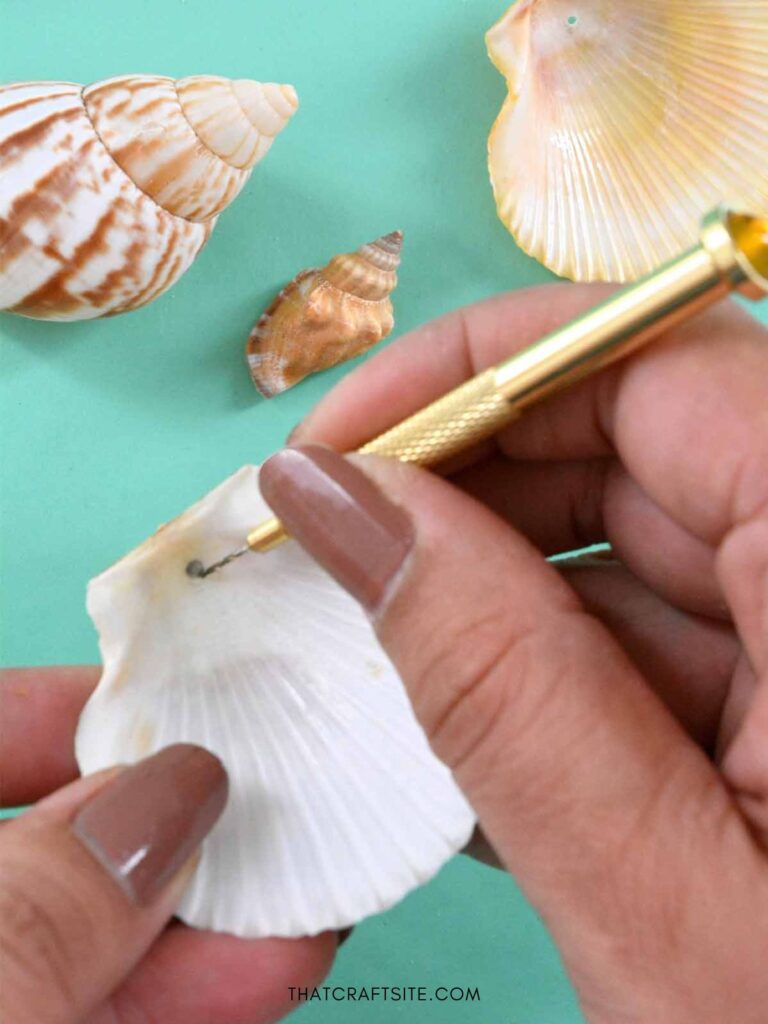
Hold the shell firmly before drilling. Use a clamp or place it on a non-slip pad. Keep the shell steady to avoid slipping. This reduces the risk of damage and injury.
Drilling Techniques For Shells
Drilling into shells requires careful techniques to avoid damage. Shells are delicate and can crack easily. Using the right method helps keep them intact and beautiful. This section explains key drilling techniques. Follow these tips for best results.
Setting The Drill Speed
Use a slow drill speed to protect the shell. High speeds can cause heat and cracks. Start with the lowest speed setting on your drill. Adjust only if needed, but keep it slow. Slow speed gives better control and less damage.
Applying Proper Pressure
Press gently when drilling into a shell. Too much force can break it. Let the drill do the work without pushing hard. Steady, light pressure helps the drill cut smoothly. Take breaks to check progress and avoid stress.
Cooling Methods To Prevent Cracks
Keep the shell cool during drilling. Heat weakens the shell and causes cracks. Use water or a damp cloth to cool the area. Dip the shell in water often or spray it lightly. Cooling prevents damage and keeps the shell strong.
Finishing Touches
After drilling holes in shells, the final steps shape the project’s success. Finishing touches make shells safe to handle and ready for use. These steps improve the look and feel of the shells. Simple care can turn rough, sharp edges into smooth, beautiful pieces.
Smoothing Rough Edges
Drilling can leave sharp edges around the holes. These edges can cut fingers or damage thread. Use fine sandpaper or a small nail file. Gently rub the edges until they feel smooth. Take your time to avoid breaking the shell. Check the hole’s inside and outside for rough spots.
Cleaning Drilled Shells
Drilling creates dust and small shell particles. These can stick to the shell’s surface. Use a soft brush or cloth to wipe the shells clean. For deeper cleaning, rinse shells with warm water. Avoid soaking too long to protect shell colors. Dry shells fully before using or storing them.
Credit: thatcraftsite.com
Common Mistakes To Avoid
Drilling into shells can be tricky without the right approach. Many beginners make simple mistakes that cause cracks or breaks. Avoiding these common errors helps protect your shells and makes your project easier. Focus on careful handling and proper drilling speed for better results.
Drilling Too Fast
Drilling too fast heats the shell and weakens it. High speed causes cracks and chips around the hole. Slow and steady drilling keeps the shell safe. Use a low drill speed and gentle pressure. Let the drill do the work, not force.
Ignoring Shell Fragility
Shells are delicate and can break easily. Treat each shell as fragile and handle with care. Hold shells firmly but avoid squeezing too hard. Place the shell on a soft surface to reduce shock. Protect fragile edges by starting with a small drill bit.
Credit: www.youtube.com
Frequently Asked Questions
How Do I Safely Drill Holes In Shells?
Use a small drill bit and secure the shell firmly. Drill slowly with light pressure to avoid cracking the shell. Wet the shell to reduce heat and dust during drilling.
What Tools Are Best For Drilling Into Shells?
A handheld rotary tool or a small drill with fine bits works best. Use a diamond or carbide bit for precision and durability.
Can I Drill Shells Without Breaking Them?
Yes, by using slow speed, steady pressure, and proper support. Wetting the shell also minimizes heat and reduces the risk of breaking.
How Do I Prevent Shells From Cracking While Drilling?
Clamp the shell gently and drill at low speed. Use water to cool the shell and avoid applying too much force.
Conclusion
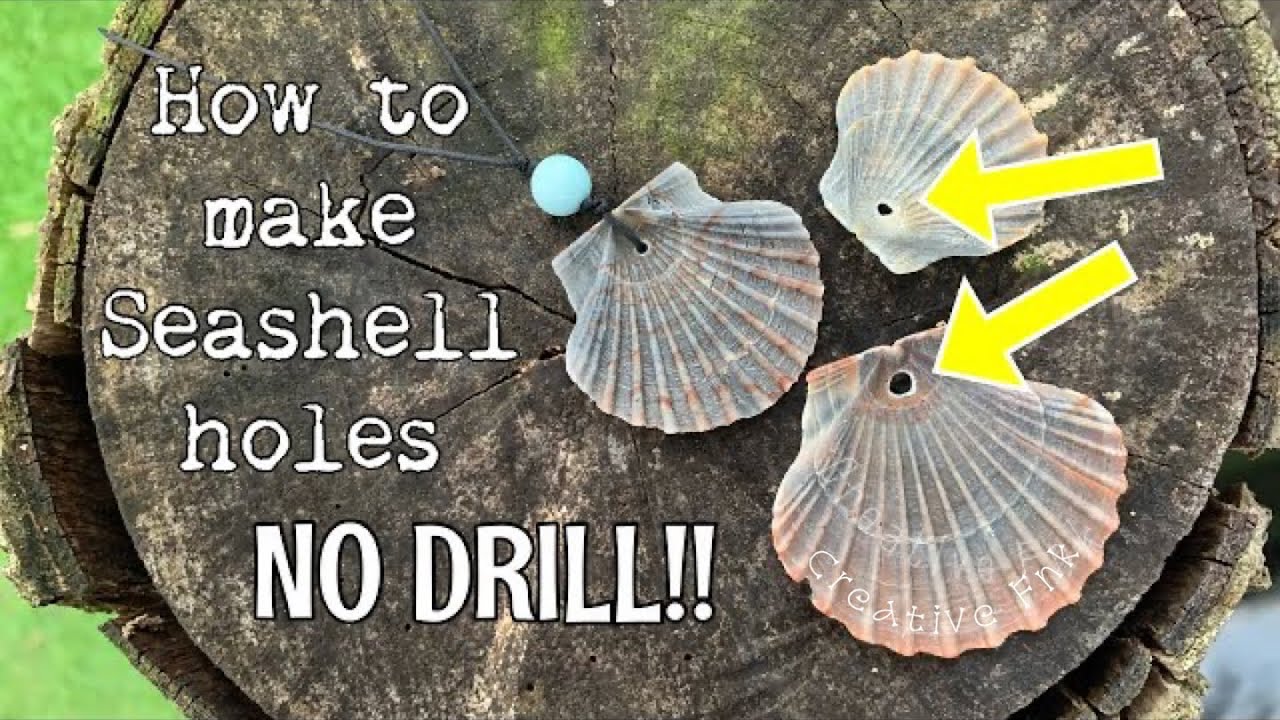
Drilling into shells can be simple with the right tools and care. Take your time and work slowly to avoid cracks. Always protect your eyes and hands for safety. Practice on a few shells before starting your main project. You will enjoy making jewelry or decorations this way.
Keep your drill bit sharp and clean for best results. Patience and steady hands make all the difference. Try different shell sizes and shapes for variety. Now, you can create unique pieces from nature’s beauty.
