


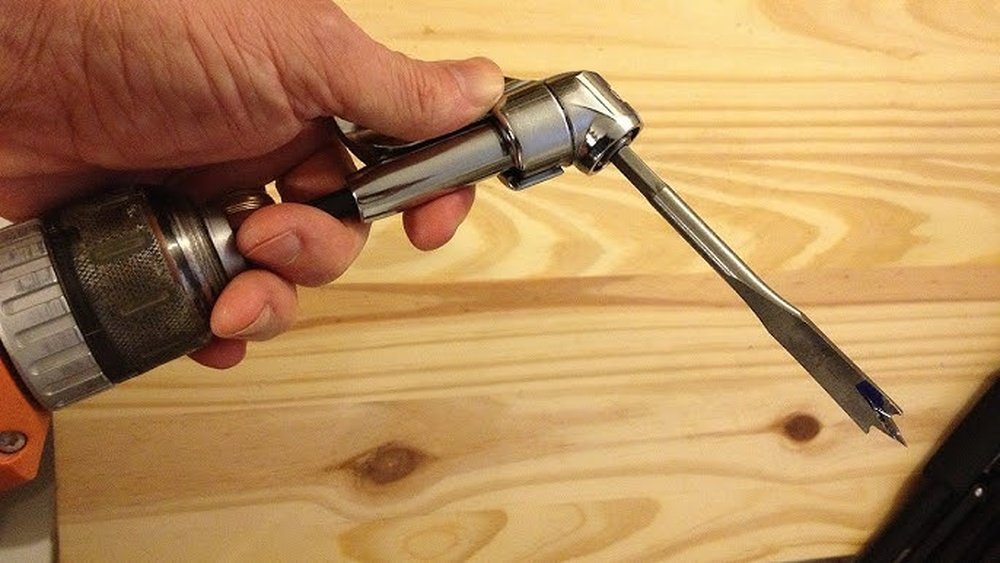
Have you ever faced tight spaces where a regular drill just won’t fit? That’s where a right angle drill becomes your best friend.
Knowing how to use this tool can save you time, effort, and frustration. In this guide, you’ll discover simple steps to master your right angle drill and tackle those tricky spots with confidence. Ready to make your projects easier and more efficient?
Let’s dive in and get you drilling like a pro.
Choosing The Right Angle Drill
Choosing the right angle drill makes your work easier and faster. It helps you drill in tight spaces without trouble. Picking the best drill depends on the task and your needs. Learn about different types, features, and power sources to find the right one.
Types Of Right Angle Drills
Right angle drills come in several types for different jobs. Compact models fit small spaces and light work. Heavy-duty drills handle tough materials and long tasks. Some drills have a handle for better control. Choose a type based on the space and work you have.
Key Features To Look For
Look for a drill with good torque for strong drilling power. A comfortable grip reduces hand fatigue during long use. Variable speed control helps match speed to materials. A built-in LED light shines in dark spots. Check for a strong chuck that holds bits firmly.
Battery Vs. Corded Models
Battery drills offer freedom to move without cords. They work well in places without power outlets. Corded drills provide constant power and no charging stops. Corded models suit long projects needing steady power. Choose based on where you work and how long you drill.
Preparing For Drilling
Preparing for drilling is the first step to ensure a smooth and safe job. Taking time to get ready helps avoid mistakes and accidents. Proper preparation also makes the work faster and more accurate.
Selecting The Correct Drill Bit
Pick a drill bit that fits the material you will drill. Wood, metal, and masonry need different bits. Check the size needed for your hole. Using the right bit stops damage to your drill and the workpiece.
Setting The Speed And Torque
Adjust your drill’s speed and torque based on the material. Lower speed works best for hard materials like metal. Higher speed suits softer materials such as wood. Set torque to avoid stripping screws or overdriving the bit.
Safety Gear Essentials
Wear safety glasses to protect your eyes from dust and debris. Use ear protection if the drill is loud. Gloves help protect your hands but keep them tight to avoid getting caught. Always work in a well-lit area.
Techniques For Accurate Drilling
Using a right angle drill can be tricky without the right techniques. Accuracy is key to making clean, precise holes. This section covers simple methods to help you drill straight and steady. Follow these tips for better results and less frustration.
Positioning The Drill Properly
Hold the drill perpendicular to the surface. This keeps holes straight and prevents slipping. Check the angle by eye before starting. Use a guide or clamp for extra control. Make sure the drill bit touches the mark exactly.
Maintaining Steady Pressure
Press the drill firmly but not too hard. Too much force can bend the bit or damage the material. Too little pressure slows progress and causes rough holes. Keep a steady speed and pressure for clean drilling. Let the drill do the work, not your strength.
Avoiding Common Mistakes
Do not rush the drilling process. Take your time to keep control. Avoid tilting the drill mid-way, which causes uneven holes. Keep hands steady and support the material well. Change drill bits if they become dull to prevent slipping.

Credit: www.diamondtoolstore.com
Working In Tight Spaces
Working in tight spaces can be challenging with regular drills. A right angle drill is perfect for these jobs. It fits into narrow spots where straight drills can’t reach. This tool helps you work faster and with less effort. Knowing how to use it properly makes your tasks easier and safer.
Using Extensions And Accessories
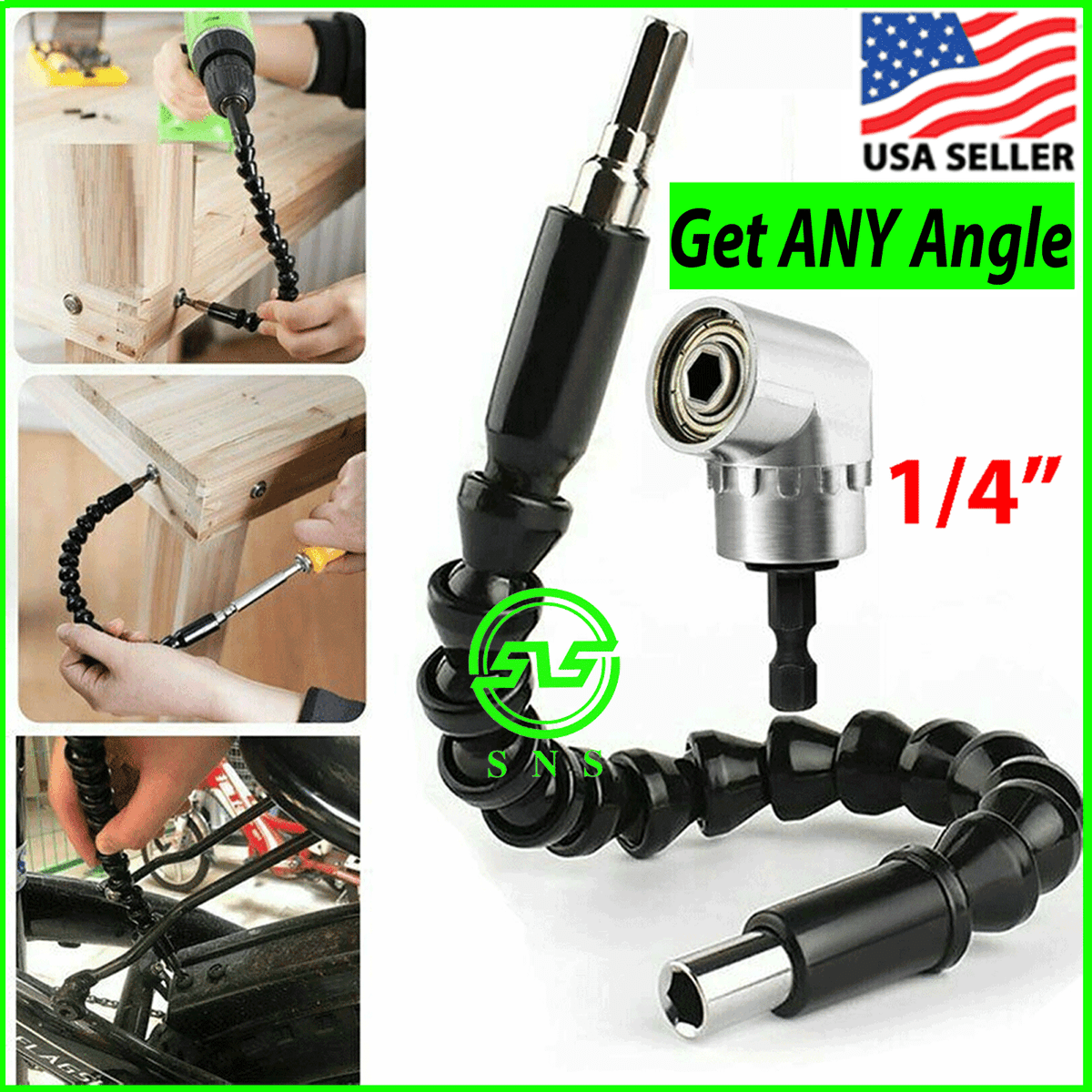
Extensions help reach deeper or hard-to-access areas. Attach a bit extension to your right angle drill for extra length. This lets you drill or drive screws behind obstacles. Use flexible extensions to bend around corners. Choose accessories that fit tightly for safety and control.
Handling Awkward Angles
The right angle drill’s head is set at 90 degrees. This design helps you work in spots with limited room. Hold the drill steady and keep a firm grip. Adjust your body position to improve control. Use the drill’s compact size to reach tricky angles easily.
Tips For Confined Areas
Clear the workspace before starting to avoid accidents. Use adequate lighting to see clearly in dark spaces. Work slowly and carefully to prevent mistakes. Keep your hands steady and avoid forcing the drill. Practice on scrap material to build confidence in tight spots.
Maintenance And Care
Proper maintenance and care extend the life of your right angle drill. Regular attention keeps it working smoothly. It also prevents costly repairs and downtime. Simple steps can protect your investment and ensure safety.
Cleaning After Use
Remove dust and debris after every use. Wipe the drill with a dry cloth. Use a small brush to clean vents and crevices. Avoid water or harsh chemicals. Keep the chuck free of dirt for proper bit holding.
Regular Inspection
Check the drill regularly for wear or damage. Look for frayed cords and loose parts. Test the switch and trigger for smooth operation. Replace worn-out bits and accessories promptly. Early detection prevents bigger problems later.
Proper Storage Practices
Store the drill in a dry, cool place. Use a case or toolbox to protect it from dust. Keep it away from direct sunlight or moisture. Avoid placing heavy items on top. Proper storage helps maintain performance and safety.
Credit: www.ebay.com
Advanced Tips For Professionals
Advanced users of right angle drills often seek ways to improve efficiency and precision. Small adjustments and careful maintenance can make a big difference. The tips below help professionals get the most from their tools.
Customizing Your Drill Setup
Choose the right drill bit for each job. Use bits designed for tight spaces and specific materials. Adjust the torque settings to avoid stripping screws or damaging surfaces. Attach auxiliary handles for better control and comfort. Keep the battery charged and ready for longer work sessions.
Troubleshooting Performance Issues
Check for worn or dull drill bits that reduce power. Clean dust and debris from vents and moving parts regularly. Listen for unusual sounds that may signal motor trouble. Test the battery to ensure it holds a full charge. Tighten loose parts to prevent wobbling or inaccurate drilling.
Maximizing Drill Lifespan
Store the drill in a dry, safe place to avoid rust. Use the correct speed and pressure to reduce wear. Replace worn parts promptly to keep the drill in top shape. Lubricate moving parts as recommended by the manufacturer. Schedule regular inspections to catch small issues early.

Credit: www.tannerbolt.com
Frequently Asked Questions
What Is A Right Angle Drill Used For?
A right angle drill is designed for tight spaces where a regular drill won’t fit. It helps drill holes and drive screws at awkward angles, especially in corners and confined areas like cabinets or wall studs.
How Do You Hold A Right Angle Drill Properly?
Hold the drill firmly with both hands for stability. Grip the handle with your dominant hand and support the front with your other hand. Keep the drill perpendicular to the surface for accurate drilling.
Can A Right Angle Drill Be Used Like A Regular Drill?
Yes, a right angle drill can function like a regular drill. It offers more versatility by allowing access to tight spots. However, it may be slightly slower due to its compact design.
What Drill Bits Work Best With Right Angle Drills?
Use standard drill bits compatible with your drill’s chuck size. Twist drill bits, spade bits, and hole saws all work well. Choose bits designed for the material you’re drilling, such as wood, metal, or masonry.
Conclusion
Using a right angle drill helps reach tight spaces easily. It fits where regular drills cannot go. Always hold it firmly for safety and control. Choose the right bit for your task. Practice a bit to get comfortable handling it.
This tool saves time and effort in many projects. Keep it clean and store it properly after use. A right angle drill is useful for home and work. Try it and see how it makes drilling simpler.
