


Have you ever found a smooth, beautiful beach stone and wished you could turn it into a unique piece of jewelry or decoration? Drilling holes in beach stones might sound tricky, but with the right tools and simple steps, you can do it yourself at home.
Imagine creating your own custom necklaces, wind chimes, or garden art from stones you love. In this guide, you’ll discover exactly how to drill holes in beach stones safely and easily—no special skills needed. Keep reading, and soon you’ll be transforming ordinary stones into stunning, personal creations.
Credit: www.youtube.com
Choosing The Right Tools
Choosing the right tools is key to drilling holes in beach stones safely and easily. The right drill, bits, and safety gear make the process smooth. Using poor tools can cause damage to stones and risk injury. This section helps you pick the best tools for the job.
Selecting The Drill
Pick a drill with variable speed control. Low speed helps prevent stone cracks. Cordless drills offer good control and mobility. A drill with a hammer function is not needed. Choose a drill that feels comfortable in your hand. Check the drill’s power; 12 to 18 volts works well.
Picking The Drill Bits
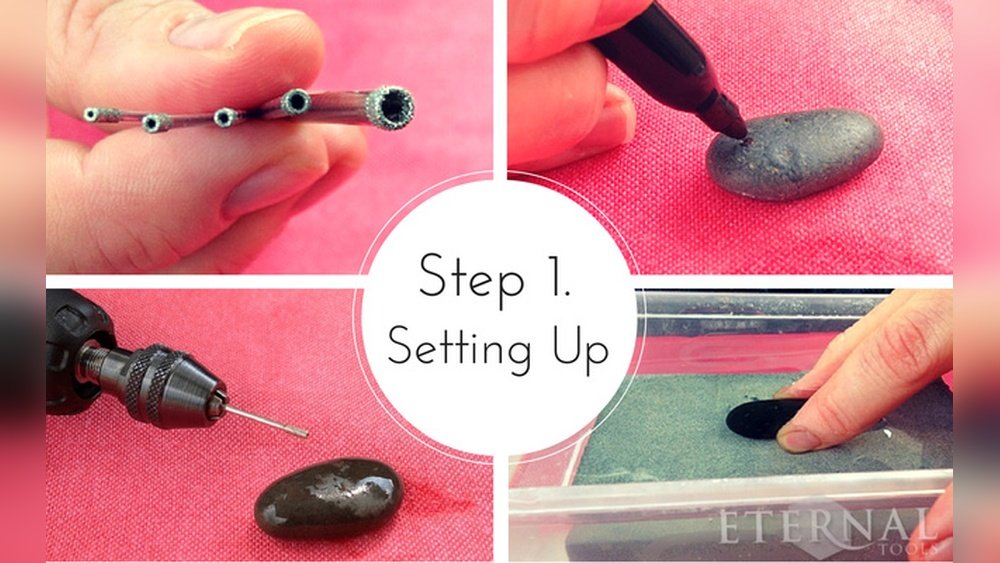
Diamond-tipped drill bits are best for beach stones. They cut smoothly through hard surfaces. Use bits sized to your hole needs. Start with a small bit for a pilot hole. This reduces stone cracking. Replace worn bits for clean holes. Avoid cheap bits that dull quickly.
Safety Gear Essentials
Wear safety goggles to protect your eyes from dust and chips. Use a dust mask to avoid breathing stone particles. Gloves protect your hands from sharp edges and heat. Hearing protection helps if using a loud drill. Dress in long sleeves to shield your arms.

Credit: www.papernstitchblog.com
Preparing The Beach Stones
Preparing beach stones is the first step in drilling holes. It helps make the process safe and smooth. Clean, mark, and secure the stone well. This prevents slipping and ensures a neat hole. Follow these simple steps carefully.
Cleaning The Surface
Remove dirt and sand from the stone’s surface. Use water and a soft brush to clean it gently. Dry the stone completely to avoid slipping. A clean surface helps the drill bit grip better.
Marking The Drill Spot
Choose the exact spot for the hole. Use a pencil or marker to make a small dot. Mark clearly but lightly to see the spot while drilling. Precise marking guides the drill and keeps the hole centered.
Securing The Stone
Hold the stone firmly to stop movement. Use a clamp or place it on a non-slip mat. This keeps your hands safe and the stone steady. A stable stone makes drilling faster and more accurate.
Drilling Techniques
Drilling holes in beach stones requires the right techniques to avoid cracking or breaking the stone. Using proper methods helps create clean holes and keeps the stone intact. Patience and care are key during the drilling process. The following techniques will guide you through drilling safely and effectively.
Starting The Hole
Begin by marking the spot where you want the hole. Use a small drill bit to make a pilot hole. This helps guide the larger bit and prevents slipping. Hold the stone firmly on a stable surface. Start drilling slowly to avoid sudden movements. Let the drill bit do the work; do not push too hard.
Maintaining Steady Pressure
Apply steady, gentle pressure while drilling. Pressing too hard can crack the stone. Keep the drill bit straight and steady. Use slow to medium speed for better control. Stop occasionally to check the hole’s progress. Consistent pressure helps create a smooth, even hole.
Cooling The Drill Bit
Drilling creates heat, which can damage the drill bit and stone. Cool the drill bit by spraying water on it often. You can also dip the bit in water between drilling sessions. Keeping the bit cool prevents overheating and extends its life. Cool bits drill cleaner holes and protect your stone.

Credit: eternaltools.com
Troubleshooting Common Issues
Drilling holes in beach stones can be tricky. Small problems often slow down the work or cause mistakes. Knowing how to solve common issues helps you finish your project smoothly. This section covers typical troubles and easy fixes.
Dealing With Cracks
Cracks can appear while drilling beach stones. They happen if the stone is weak or pressure is too high. Use gentle, steady pressure to avoid cracking. Start with a small drill bit to make a pilot hole. This reduces stress on the stone.
If cracks still form, stop drilling immediately. Let the stone cool before trying again. Choose stones without visible cracks for better results. Sometimes, drilling at a slow speed prevents cracks from spreading.
Preventing Bit Overheating
Drill bits get hot during use. Overheating wears out the bit fast and can damage the stone. Use water to cool the bit while drilling. Spray or drip water on the drill area regularly.
Take short breaks to let the drill bit cool down. Use bits made for hard materials like stone. Keep the drill speed low to avoid extra heat. Proper cooling extends the bit’s life and improves drilling quality.
Fixing Misaligned Holes
Misaligned holes make stones hard to use. To avoid this, mark the drilling spot clearly before starting. Use a small punch or tape to keep the drill bit from slipping.
If the hole is off-center, try to correct the angle slowly. Stop if the hole is too far off. Drill a new hole carefully in the right spot. Practice on spare stones helps improve accuracy before working on the final piece.
Finishing Touches
After drilling holes in beach stones, the work is not done yet. The finishing touches improve the look and durability of your project. These steps help make the stones safe to handle and ready for use. Small details matter for a clean, professional finish.
Smoothing Rough Edges
Drilling can leave sharp or rough edges around the hole. Use fine sandpaper to gently smooth the edges. Move the sandpaper in a circular motion. This prevents cracks and chips later. Smooth edges also protect your hands from cuts.
Cleaning Up Dust And Debris
Drilling creates dust and tiny stone particles. Brush the surface with a soft brush or cloth. Blow gently into the hole to clear out debris. Clean stones look better and help paint or glue stick better.
Sealing The Hole
Sealing protects the stone from water and dirt. Use a clear stone sealer or waterproof glue inside the hole. Apply with a small brush or dropper. Let the sealer dry fully before using the stone. Sealing keeps the hole strong and clean longer.
Frequently Asked Questions
How Do You Prepare Beach Stones For Drilling?
Clean the stone thoroughly to remove dirt and sand. Mark the drilling spot with a pencil. Use masking tape to prevent slipping and cracking during drilling.
What Type Of Drill Bit Is Best For Beach Stones?
Use a diamond-tipped or carbide drill bit. These bits are durable and effective for hard, abrasive stones. They ensure a clean, precise hole without damage.
How Do You Prevent Beach Stones From Cracking While Drilling?
Drill slowly with low speed and steady pressure. Keep the stone and drill bit cool by spraying water frequently during drilling.
Can I Drill Holes In Any Size Beach Stone?
Small to medium stones work best for drilling. Very large stones may be difficult to handle, while tiny stones risk breaking easily.
Conclusion
Drilling holes in beach stones takes patience and the right tools. Always wear safety gear to protect your eyes and hands. Start slow and use water to keep the stone cool. Take breaks to avoid cracking the stone. With practice, you can create beautiful, smooth holes for crafts or jewelry.
Enjoy the process and treasure your unique creations. Keep experimenting and learning with each stone you drill.
