

Have you ever struggled to loosen a stubborn screw or bolt that just won’t budge? A hand impact driver might be the tool you need.
But how exactly does it work to make those tough jobs easier? Understanding how a hand impact driver works can save you time, effort, and frustration on your next project. You’ll discover the simple yet powerful mechanism behind this tool and why it’s a must-have in your toolbox.
Keep reading, and you’ll soon see how this little device packs a serious punch.
Credit: kokenusa.com
Basics Of A Hand Impact Driver
A hand impact driver is a tool designed to loosen or tighten screws and bolts. It works by combining force and rotation to handle tough fasteners. This tool uses sudden impacts to increase torque without damaging the screw head.
Understanding the basics helps you use it correctly and safely. Let’s explore the main parts, types, and differences from regular drivers.
Core Components
A hand impact driver has three main parts. The handle, where you grip the tool firmly. The shaft, which holds the bit or socket. The hammer mechanism inside converts hits into powerful twisting force.
This mechanism allows the driver to deliver strong bursts of torque. It prevents the bit from slipping or stripping the screw head. The sturdy construction ensures it lasts through heavy use.
Types Of Impact Drivers
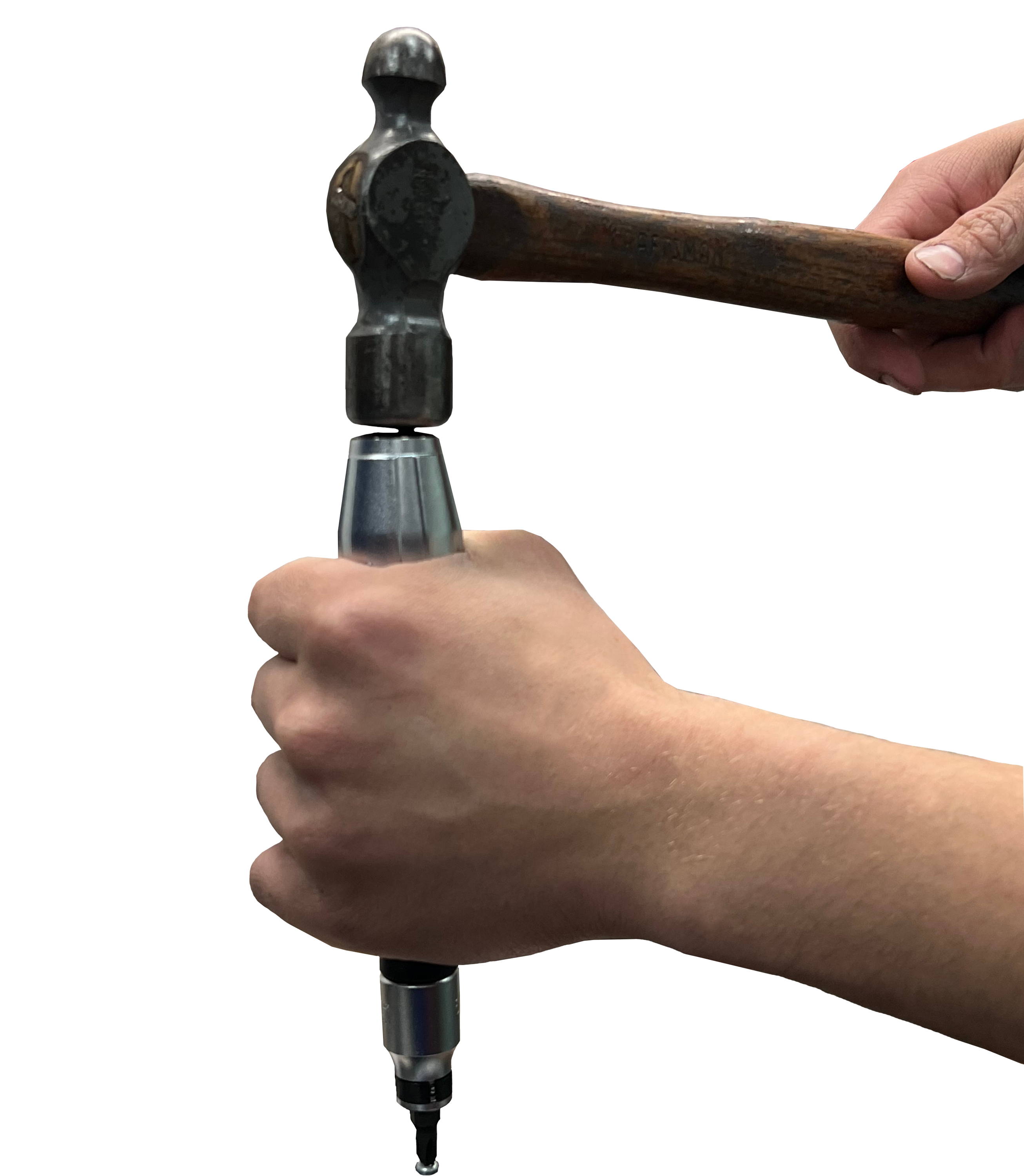
There are manual and powered impact drivers. Manual ones require you to hit the back with a hammer. This impact causes the driver to turn hard on stuck screws. Powered impact drivers use a motor to create impacts automatically.
Manual drivers are simple and do not need batteries. Powered versions offer faster work and less physical effort. Both types are useful for different tasks and preferences.
How It Differs From Regular Drivers
Regular drivers rely on steady force and turning. They often struggle with rusted or tight screws. Hand impact drivers use quick, strong impacts to break loose these screws. This makes them more effective for tough jobs.
Impact drivers reduce the chance of stripping screw heads. They also protect your wrist by reducing the turning force you apply. This makes them safer and more efficient for heavy work.
Mechanics Behind Impact Drivers
Understanding the mechanics behind impact drivers helps explain their power. These tools combine rotation and sudden force to drive screws and bolts efficiently. The design focuses on creating bursts of high torque with less effort from the user.
Impact drivers use a unique system inside that separates them from regular drills. This system delivers rapid impacts that loosen tight fasteners or drive screws quickly. The core parts work together to create this effect.
Role Of The Hammer And Anvil
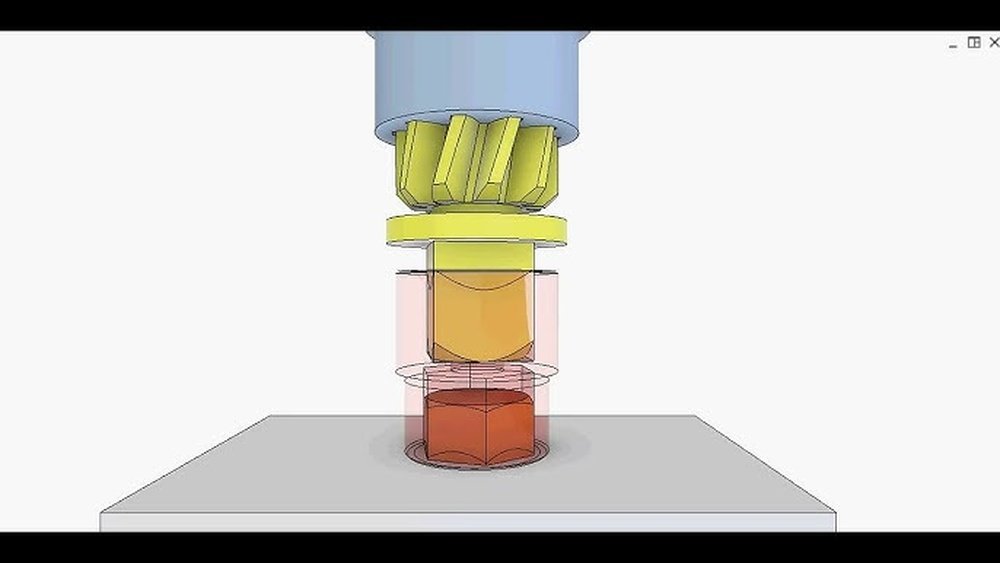
Inside an impact driver, the hammer and anvil are key parts. The hammer stores energy as it spins. When it hits the anvil, it releases this energy in a quick strike. This impact happens many times per second.
The hammer and anvil system converts rotational energy into sudden impact force. This force helps break loose stuck screws or bolts. It also reduces the chance of stripping the fastener head.
Conversion Of Impact To Torque
Torque means the turning force that spins screws or bolts. The impact driver converts the hammer’s strikes into bursts of high torque. Each impact adds power to help turn tough fasteners.
This process allows the driver to apply strong force without the user pushing hard. The tool’s motor spins the hammer, which strikes the anvil repeatedly. This converts energy into powerful rotational force.
Effect On Fasteners
The repeated impacts help fasteners move more easily. The quick bursts of force prevent the driver from slipping off. This reduces damage to screw heads and surfaces.
The impact action also speeds up fastening work. It pushes screws or bolts into materials tightly and securely. This makes impact drivers ideal for heavy-duty jobs and hard materials.
Power Generation Explained
Understanding how a hand impact driver generates power helps you use it better. This tool converts your manual force into strong impact energy. It delivers quick bursts of torque to loosen tight screws or bolts. The process involves simple mechanics but creates powerful results.
Manual Force To Impact Energy
You start by turning the driver with your hand. This manual force spins an internal spring or hammer mechanism. As you twist, energy builds up inside the tool. Once enough energy stores, it releases in a sharp impact. This impact hits the screw or bolt with great force.
Torque Amplification
The impact driver multiplies your input torque. Each impact gives a short, strong burst of turning force. This force is much higher than what your hand alone can produce. The tool’s mechanism transfers energy quickly, increasing torque instantly. This helps break loose stubborn fasteners easily.
Factors Affecting Power Output
The power depends on how fast and hard you turn the driver. Stronger, quicker twists create more impact energy. The tool’s internal parts quality also affects power. Wear and tear can reduce impact strength over time. Using the right size and type of bit helps too. Proper maintenance keeps the driver working at full power.
Precision In Operation
Precision in operation is the key to a hand impact driver’s effectiveness. This tool delivers exact force, helping users drive screws or bolts without error. It allows control over power, reducing mistakes and improving results. Precision helps protect materials and fasteners from damage. It also makes the work safer and easier.
Controlled Impact Delivery
The hand impact driver delivers impacts in a controlled way. Each strike is timed to give the right force needed. This control helps loosen tight screws without stripping them. The driver’s mechanism stores energy and releases it in sharp bursts. This focused power beats stubborn fasteners free with less effort.
Preventing Fastener Damage
Precision helps prevent damage to screws and bolts. The impact driver applies force only when needed. It avoids constant twisting, which can wear out fasteners. This careful action keeps the fastener’s shape intact. It also reduces the chance of breaking screws inside the material.
Ergonomics And User Control
Ergonomics play a big role in precision. The tool’s design fits well in the hand. It allows steady grip and better control of strikes. Users can guide the driver accurately to the target fastener. Good ergonomics reduce fatigue, letting users work longer with focus. This comfort leads to safer and more precise operation.
Choosing The Right Hand Impact Driver
Choosing the right hand impact driver is key for efficient work. It saves time and effort. The right tool fits the job perfectly and lasts longer. Consider the task, materials, and maintenance needs. These factors guide your choice.
Matching Driver To Task
Select a driver based on your work type. Light tasks need a smaller, less powerful tool. Heavy tasks require a strong, high-torque driver. Match the driver’s power to avoid damage or slow work. Correct size and speed improve control and results.
Material Compatibility
Check if the driver suits the materials you use. Some drivers work well with wood and soft metals. Others handle hard metals and tough surfaces better. Using the right driver prevents wear on bits and materials. It also ensures safe operation.
Durability And Maintenance
Choose a driver built to last in your work conditions. Look for sturdy materials and solid construction. Easy maintenance keeps the tool working well. Clean the driver after use and check parts regularly. Proper care extends tool life and performance.
Practical Applications
The hand impact driver is a useful tool in many tasks. It helps to loosen tight screws and bolts with ease. This tool works by turning strong force into a twisting motion. This makes it perfect for jobs that need extra power without using electricity.
Automotive Repairs
Car mechanics use hand impact drivers to remove stuck bolts. These bolts are often rusted or very tight. The tool delivers sharp impacts that loosen them quickly. It helps avoid damage to car parts during repairs. This makes repairs faster and safer for the vehicle.
Construction Uses
In construction, hand impact drivers help with assembling structures. They drive screws deep into wood or metal. This tool works well in hard-to-reach places. It saves time and effort compared to manual screwdrivers. Builders rely on it for strong and secure connections.
Diy Projects
Home DIY enthusiasts find hand impact drivers very handy. They use it for furniture assembly and fixing appliances. It reduces hand strain and speeds up work. The tool is easy to handle, even for beginners. It helps complete projects with less frustration.
Tips For Effective Use
Using a hand impact driver correctly makes work easier and safer. Understanding simple tips helps you get the best results. Focus on grip, safety, and fixing common problems.
Proper Grip And Stance
Hold the driver firmly with your dominant hand. Keep your wrist straight to avoid injury. Stand with feet shoulder-width apart for balance. Position yourself close to the work surface. Use your free hand to steady the tool if needed. This stance helps deliver strong, controlled hits.
Safety Precautions
Wear safety glasses to protect your eyes from flying debris. Use gloves to guard your hands. Make sure the tool is in good condition before starting. Keep your workspace clean and free of hazards. Avoid loose clothing that could get caught. Always strike the driver with a hammer straight on the end.
Troubleshooting Common Issues
If the driver slips, check your grip and stance. Make sure the bit fits tightly in the driver. Clean any dirt or rust from the bit and screw. Replace worn or damaged bits promptly. If the driver does not turn screws easily, check the screw type. Use the right size and type of bit for each screw.

Credit: www.youtube.com

Credit: www.reddit.com
Frequently Asked Questions
What Is The Main Function Of A Hand Impact Driver?
A hand impact driver delivers high torque through sudden rotational impacts. It loosens stubborn screws and bolts without stripping them. This tool converts force from a hammer strike into rotational power, making it ideal for tough fastening jobs.
How Does A Hand Impact Driver Differ From A Regular Screwdriver?
A hand impact driver uses impact force to turn screws, unlike a regular screwdriver. It prevents cam-out and loosening of stuck fasteners. This mechanism increases torque without extra wrist effort, making it more efficient for heavy-duty tasks.
When Should I Use A Hand Impact Driver?
Use a hand impact driver to remove rusted or over-tightened screws. It is best for automotive, construction, and maintenance work. This tool saves time and reduces damage to fasteners compared to manual twisting.
Can A Hand Impact Driver Damage Screws Or Bolts?
When used correctly, a hand impact driver minimizes screw damage. Its impact action loosens fasteners without stripping heads. However, improper use or excessive force may cause damage, so always apply controlled strikes.
Conclusion
A hand impact driver uses quick, strong impacts to loosen tight screws. It turns your wrist’s force into powerful twisting action. This tool works well on stuck or rusted fasteners. It saves effort and helps you finish jobs faster. Understanding how it works can improve your tool skills.
Try using an impact driver for tough tasks next time. You will notice the difference in how easily screws turn. Simple, effective, and handy for many repair jobs.
