


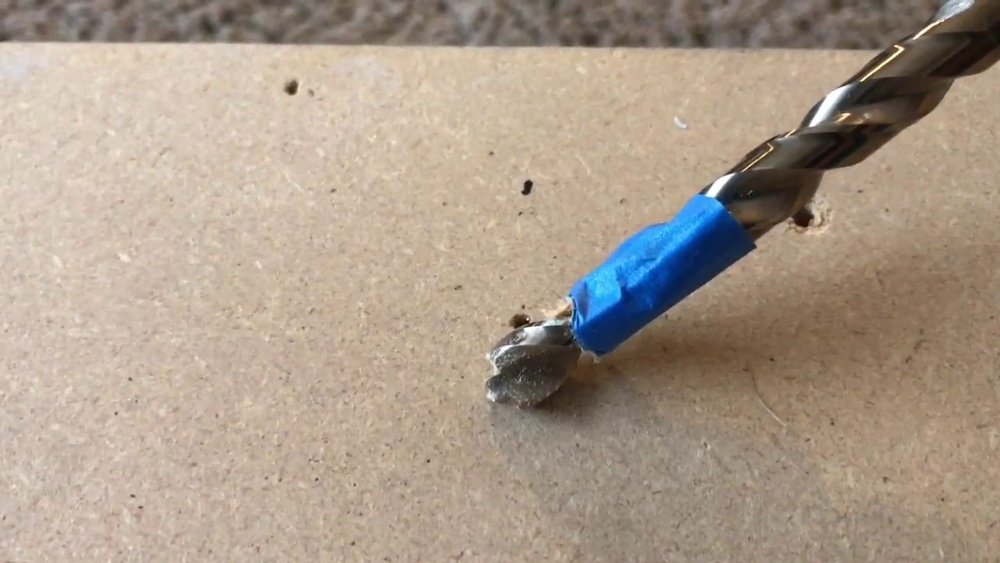
Have you ever needed to drill a keyhole slot but don’t have a router on hand? It might seem tricky, but you can achieve a clean, professional result without one.
Imagine saving time and money by using tools you already own. You’ll discover simple, step-by-step methods to create keyhole slots easily and accurately. Keep reading, and you’ll gain the confidence to tackle this task like a pro—no router required.
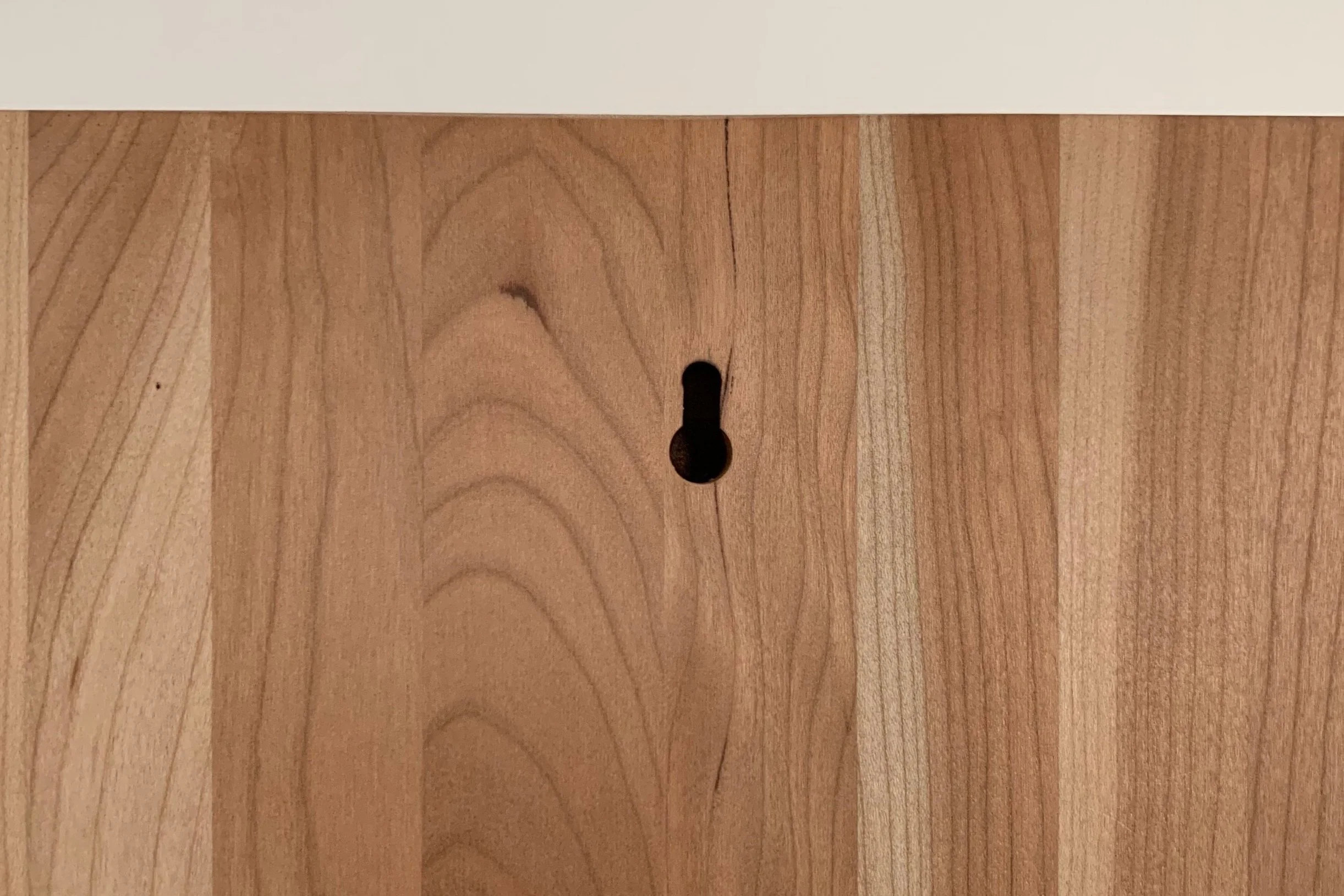
Credit: www.woodburncorner.com
Tools Needed
Drilling a keyhole slot without a router needs the right tools. These tools help you make clean, precise cuts. Using proper equipment also keeps you safe while working. Below are the main tools you will need for this task.
Drill And Bits
A power drill is essential for making holes. Choose a drill with variable speed control for better accuracy. Use a set of drill bits, especially a spade bit or a Forstner bit. These bits create clean, flat-bottomed holes needed for keyhole slots.
Measuring Tools
Accurate measurements are crucial for perfect keyhole slots. Use a ruler or tape measure to mark the slot size. A combination square helps keep lines straight and angles correct. These tools ensure your cuts fit perfectly on the wall.
Marking Supplies
Clear markings guide your drilling and cutting. Use a pencil for easy adjustments and visibility. A fine-tip marker can add detail where needed. Mark the slot outline and hole center clearly before starting.
Clamps And Safety Gear
Clamps hold your workpiece steady and prevent movement. Secure your wood to a workbench for safer drilling. Wear safety glasses to protect your eyes from dust and debris. Ear protection helps reduce noise from the drill. Gloves improve grip and protect your hands.
Preparing The Workpiece
Preparing the workpiece is a key step before drilling a keyhole slot without a router. This stage ensures accuracy and safety during your work. Proper preparation helps to create a clean, precise slot that fits perfectly for hanging.
Selecting The Material
Choose wood that is strong and easy to drill. Softwoods like pine work well for beginners. Avoid materials with knots or cracks. These can cause the drill bit to slip or break. Pick a flat piece that fits your project size.
Measuring And Marking Slot Position
Measure carefully where the slot will go. Use a ruler or tape measure for accuracy. Mark the slot position with a pencil. Draw clear lines to guide your drilling. Double-check measurements to avoid mistakes.
Securing The Workpiece
Clamp the wood firmly to your workbench. This keeps it from moving while you drill. Use clamps that hold tightly but do not damage the wood. Check the stability before starting. A steady workpiece means cleaner, safer drilling.
Choosing The Right Drill Bit
Choosing the right drill bit is key to drilling a perfect keyhole slot without a router. The drill bit controls the shape and size of the slot. Picking the wrong bit can make the job harder or damage the wood. Understanding the types and sizes helps you get clean, accurate cuts. This guide explains the best drill bits for keyhole slots.
Size And Type Considerations
Select a drill bit that matches the keyhole slot’s width. The size depends on the screw or hanger you plan to use. A bit too small will not fit the hardware. A bit too large weakens the wood around the slot.
Choose bits designed for wood, as they cut smoothly. Avoid metal bits, which may tear or splinter wood. The drill bit’s type also affects the shape of the hole. Round bits make circular holes, while specialty bits create flat-bottomed slots.
Step Drill Bits
Step drill bits have a cone shape with different diameters. They make holes of various sizes in one pass. These bits help create the rounded part of the keyhole slot. Their design lets you control the hole size by how deep you drill.
Step bits cut clean edges and reduce splintering. They are easy to use and fit many drill sizes. Use slow speed to prevent overheating and burning the wood.
Forstner Bits
Forstner bits create flat-bottomed holes with smooth sides. They are perfect for drilling the wider, flat part of the keyhole slot. These bits give more control and cleaner cuts than twist bits.
Use a Forstner bit to drill a shallow hole first. Then use a step bit or chisel to shape the narrow slot. Forstner bits work best on soft and hardwood. They help avoid tear-out and rough edges.
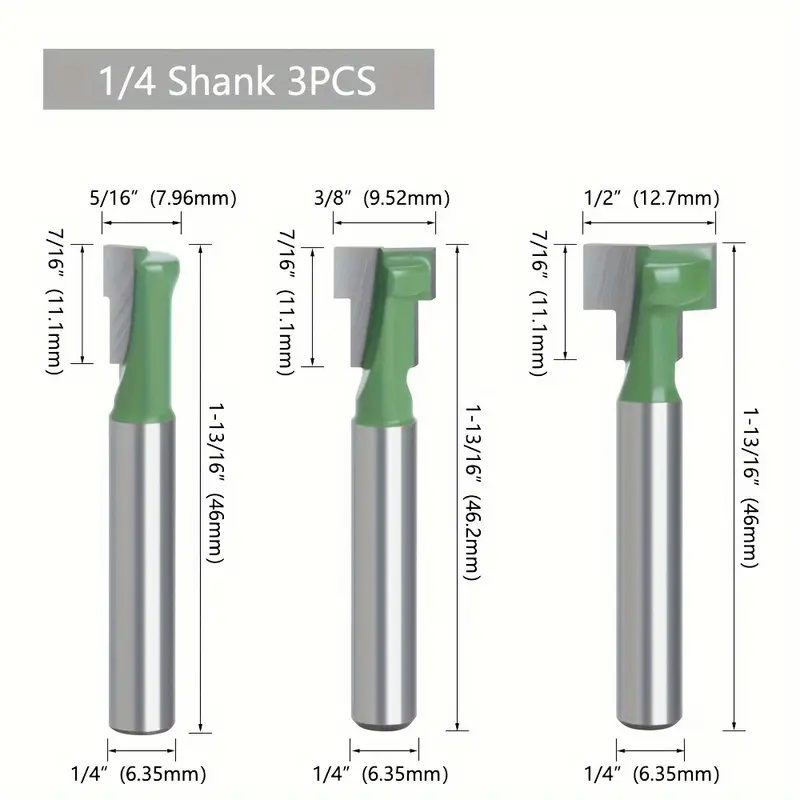
Credit: veronastorytime.com
Drilling The Round Hole
Drilling the round hole is a key step in creating a keyhole slot without a router. This hole forms the larger part of the slot and allows the head of the screw to fit inside. Doing this step carefully ensures the slot works well and looks clean. The right drill speed, steady technique, and avoiding damage to the wood are important factors to consider.
Setting Drill Speed
Set the drill to a medium speed. Too fast can burn the wood. Too slow may cause the drill to catch or bind. Use a speed that feels steady and controlled. For most wood types, 1000 to 1500 RPM works well. This balance helps make a smooth, clean hole.
Drilling Technique
Hold the drill straight and steady. Start drilling slowly to create a guide hole. Then increase speed slightly. Press down evenly but do not force the drill. Let the bit cut through the wood naturally. Pull the drill out occasionally to clear wood chips. This keeps the hole clean and precise.
Avoiding Tear-out
Place a scrap piece of wood under the workpiece. This supports the wood fibers as the bit exits. Drill from the front side to the back side. Drill slowly as you near the exit point. This reduces splintering and rough edges. Sand the hole edges lightly if needed for a smooth finish.
Creating The Slot
Creating the keyhole slot without a router requires careful steps. Each part of the slot must be precise. This ensures the keyhole fits perfectly and holds well. Follow these simple steps to make a clean slot.
Marking Slot Length
Start by measuring the length of the keyhole slot. Use a ruler or tape measure for accuracy. Mark the length clearly on the wood surface. Draw a straight line to guide your drilling. This line helps keep holes aligned.
Drilling Overlapping Holes
Choose a drill bit size that fits the slot width. Drill the first hole at one end of the marked line. Then, drill the next hole slightly overlapping the first. Continue drilling overlapping holes along the line. This creates a rough keyhole shape.
Smoothing The Slot Edges
Remove rough edges using a small file or sandpaper. Work along the inside edges of the drilled holes. Smooth the slot until it has clean, even sides. This step prevents splinters and ensures the key fits well. Take your time for a neat finish.
Finishing Touches
Finishing touches make your keyhole slot look neat and last longer. These steps help improve the final look and function. Take your time to clean, test, and protect your work. This ensures the keyhole slot fits well and stays strong.
Sanding And Cleaning
Use fine sandpaper to smooth the edges of the slot. Sand gently to remove rough spots and splinters. Clean the dust with a soft cloth or brush. A clean surface helps the next steps work better.
Testing The Fit
Check if the keyhole slot fits the hanging hardware. Place the screw or hook in the slot carefully. Make sure it holds firmly without too much wiggle. Adjust by sanding more if needed for a perfect fit.
Applying Protective Coating
Apply a clear finish or wood sealant to protect the slot. Use a small brush to cover the area evenly. Let it dry fully before using the keyhole slot. This coating stops damage and keeps the wood strong.
Tips For Accuracy
Drilling a keyhole slot without a router needs careful attention. Accuracy is the key to a clean, strong slot. Small mistakes can make the slot weak or hard to use. Follow these tips to keep your work precise and neat.
Using Guides And Jigs
Guides and jigs help keep the drill in the right place. They stop the drill from moving around. You can make a simple jig from scrap wood. Clamp the jig tightly to the workpiece. This keeps the drill steady and straight. Guides also help make the slot size consistent every time.
Maintaining Drill Stability
Hold the drill firmly with both hands. Keep the drill bit at a steady angle. Avoid pushing too hard. Let the drill do the work. Slow and steady drilling reduces mistakes. If the drill moves, the slot will be uneven. Stability makes clean, smooth cuts easier.
Double-checking Measurements
Measure twice before drilling once. Mark the slot position clearly with a pencil. Use a ruler or tape measure for accuracy. Check the depth and length of the slot on your mark. Correct any errors before drilling. Careful measurement saves time and materials. It ensures the keyhole slot fits perfectly.
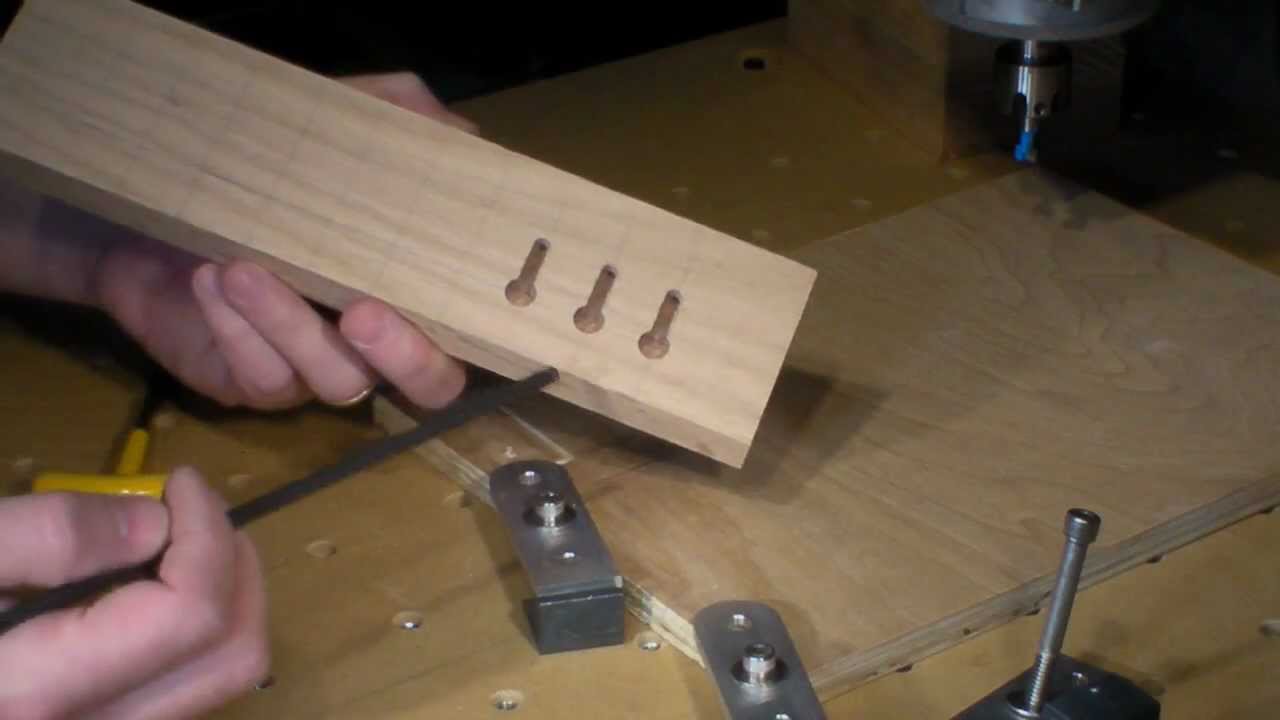
Credit: www.youtube.com
Common Mistakes To Avoid
Drilling a keyhole slot without a router needs care and focus. Many beginners make simple mistakes that waste time and materials. Avoiding these common errors can help you get clean and precise results. Pay attention to details and follow each step carefully.
Misaligned Holes
Misaligned holes cause the keyhole slot to look uneven. This makes hanging objects unstable. Always mark your drill points clearly before starting. Use a ruler or square for accuracy. Drill slowly and check alignment often to keep holes straight.
Overdrilling
Drilling too deep weakens the wood and ruins the slot shape. Stop drilling as soon as you reach the needed depth. Use tape on the drill bit to set a depth limit. This simple trick prevents overdrilling and protects your workpiece.
Damaging The Workpiece
Applying too much pressure or drilling too fast can damage the wood. The surface may crack or splinter. Hold the workpiece firmly and drill at a steady pace. Use sharp drill bits for smooth cuts. Protect the back of the wood with scrap material to avoid blowout.
Frequently Asked Questions
How Can I Drill A Keyhole Slot Without A Router?
You can drill a keyhole slot using a drill and a keyhole saw or jigsaw. First, drill a hole for the screw head, then cut the slot shape carefully with the saw. This method is precise and cost-effective without needing a router.
What Tools Replace A Router For Keyhole Slots?
A drill combined with a keyhole saw or jigsaw can replace a router. These tools allow you to create precise slots by drilling and then cutting the slot shape. They are ideal for DIY projects or when a router is unavailable.
Is Drilling A Keyhole Slot Without A Router Difficult?
Drilling a keyhole slot without a router is manageable with patience and the right tools. Using a drill and saw requires steady hands and careful measuring. This method is suitable for beginners and saves money on expensive equipment.
What Safety Tips Apply When Drilling Keyhole Slots?
Always wear safety goggles and gloves to protect from debris and sharp tools. Secure the workpiece firmly to avoid movement. Use slow and controlled cuts to prevent splintering or mistakes during drilling and sawing.
Conclusion
Drilling a keyhole slot without a router is simple with the right tools. Use a drill and saw carefully to create clean cuts. Take your time and measure twice before starting. Practice on scrap wood to gain confidence. This method saves money and works well for small projects.
You don’t need fancy equipment to get good results. Follow the steps, stay patient, and you will succeed. Keep your workspace safe and enjoy your woodworking.
