


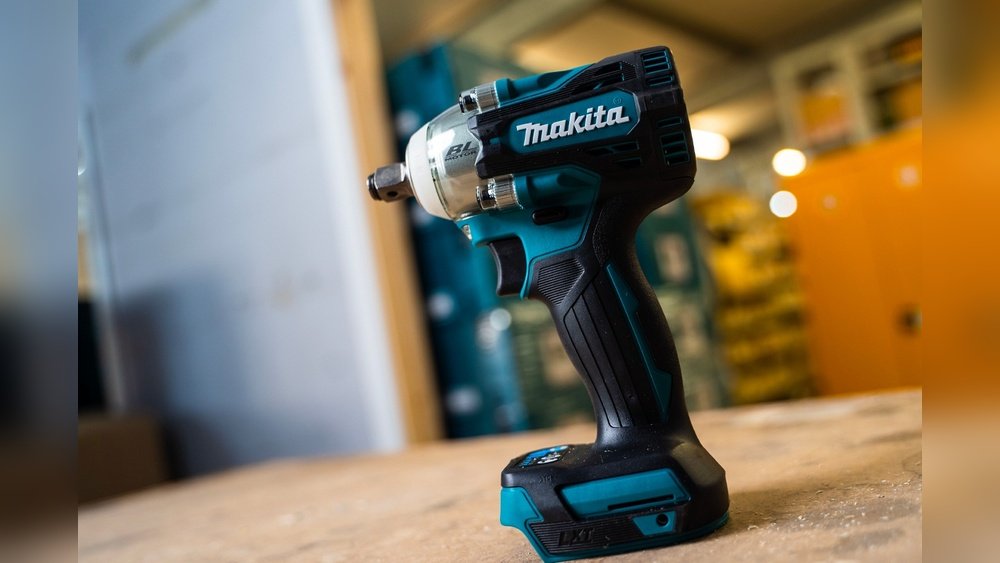
You rely on your cordless drill for countless projects, from simple repairs to big DIY tasks. But do you know how to keep it working like new?
Taking care of your drill is easier than you think, and it can save you time and money down the road. You’ll discover simple steps to maintain your cordless drill, so it stays powerful, safe, and ready whenever you need it.
Keep reading to unlock tips that will extend your drill’s life and boost its performance every time you pick it up.
Choosing The Right Drill
Choosing the right cordless drill is the first step in keeping it working well. A good drill fits your needs and lasts long. Understanding the types of batteries and accessories helps you make a smart choice. This makes maintenance easier and saves money.
Battery Types And Care
Most cordless drills use lithium-ion or nickel-cadmium batteries. Lithium-ion batteries last longer and charge faster. Nickel-cadmium batteries are cheaper but may lose power quickly. Store batteries in a cool, dry place. Avoid letting batteries fully drain before charging. Clean battery contacts regularly to ensure good connection.
Selecting Quality Accessories
Quality drill bits and attachments improve drill performance. Cheap accessories can break or wear out fast. Choose bits made from strong materials like high-speed steel or carbide. Match accessories to the drill’s size and power. Keep accessories clean and sharp for best results.

Credit: www.reddit.com
Regular Cleaning Practices
Regular cleaning keeps your cordless drill working well and lasting longer. Dirt and dust can build up inside and outside the tool. This buildup can cause problems like overheating or poor performance. Cleaning the drill often helps avoid these issues. It also makes your work safer and easier.
Removing Dust And Debris
Start by unplugging or removing the battery from the drill. Use a soft brush to sweep away loose dust on the outside. Blow air gently into the vents to clear dust inside. Avoid using water or liquid cleaners on the motor area. Wipe the handle and body with a dry cloth to remove dirt. Clean the drill after every few uses to stop dirt buildup.
Cleaning The Chuck And Bits
The chuck holds the drill bits tightly. Dirt here can cause the bits to slip or not fit well. Open the chuck fully and wipe it with a clean cloth. Use a small brush to remove dust inside the chuck jaws. Check the drill bits for dirt or rust. Clean bits with a cloth and light oil if needed. Store bits in a dry place to keep them clean and ready.
Battery Maintenance Tips
Batteries are the heart of a cordless drill. Good battery care keeps your drill ready and strong. Poor battery habits can shorten battery life and reduce power. Follow simple tips to keep your battery healthy and lasting longer.
Proper Charging Habits
Charge the battery fully before first use. Avoid partial charges often. Use the charger that comes with your drill. Do not leave the battery on the charger too long. Unplug once it is fully charged. Avoid charging in very hot or cold places. Let the battery cool down before charging if it is hot from use.
Storage Recommendations
Store batteries in a cool, dry place. Avoid places with high heat or moisture. Remove the battery from the drill if not used for a long time. Keep the battery charged to about 40-60% when storing. Check the charge level every few months. Recharge if the battery drops too low. Proper storage stops damage and keeps the battery strong.
Lubrication And Mechanical Care
Proper lubrication and mechanical care keep your cordless drill working well. These steps reduce friction and stop parts from wearing out fast. Regular care helps your drill last longer and work smoothly every time.
Lubricating Moving Parts
Apply light machine oil to the drill’s moving parts. Focus on the chuck and gearbox area. Use a small amount to avoid dirt buildup. Wipe off extra oil with a clean cloth. This keeps the drill running without stiff parts.
Checking For Wear And Tear
Look closely at the drill’s components for damage. Check the chuck for cracks or loose parts. Inspect the trigger and battery contacts for wear. Replace any worn or broken parts quickly. This prevents bigger problems and keeps the drill safe to use.
Safe Usage Guidelines
Using a cordless drill safely protects both the user and the tool. Following safe usage guidelines keeps the drill working well for a long time. It prevents accidents and costly repairs.
Avoiding Overheating
Overheating can damage the drill’s motor and battery. Take breaks after drilling for a few minutes. Let the drill cool down before using it again. Avoid pushing too hard on the drill. Keep air vents clear of dust and debris to help cooling.
Correct Drilling Techniques
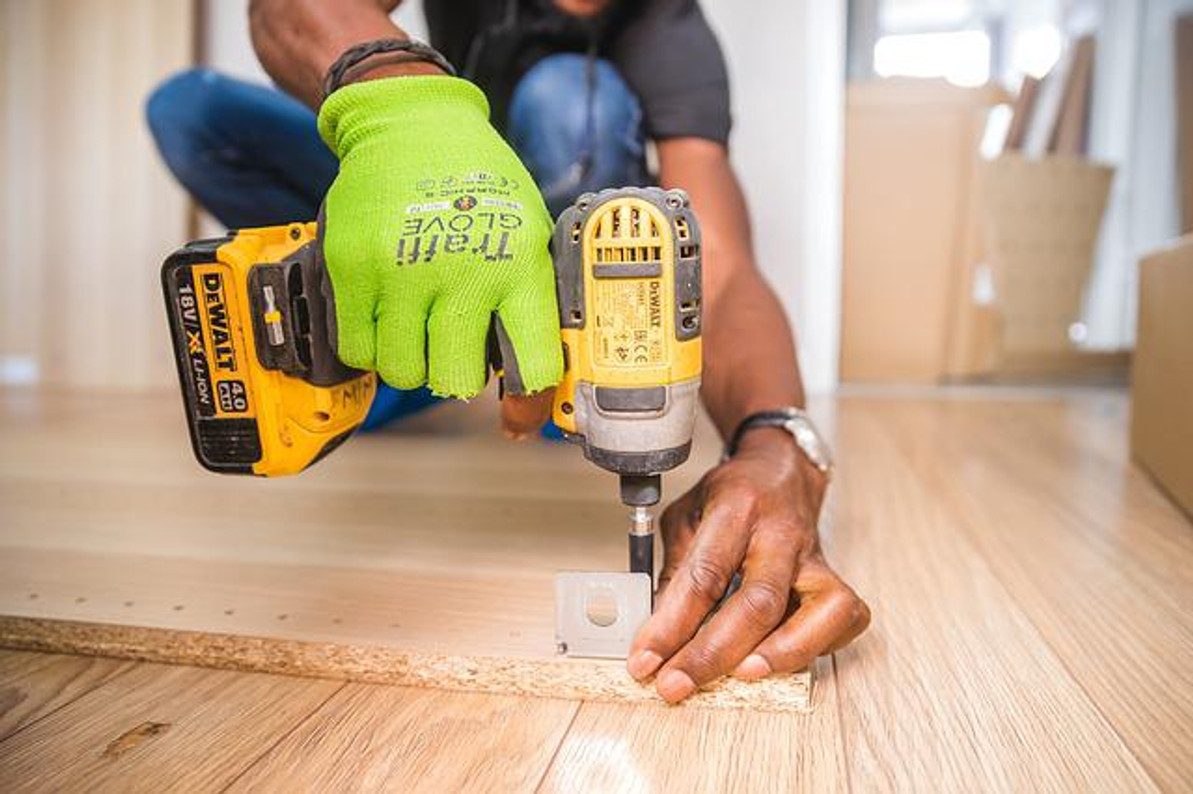
Hold the drill firmly with both hands. Start drilling at a slow speed to control the bit. Increase speed only after the bit is steady in the material. Use the right drill bit for the job. Drill straight to avoid bending or breaking the bit.
Credit: www.safetycompany.com
Storage Solutions
Proper storage is key to keeping a cordless drill in good shape. A well-planned space stops damage and helps the drill last longer. It also makes the drill easy to find and use when needed.
Protecting From Moisture
Moisture can cause rust and damage the drill’s parts. Store the drill in a dry place away from water sources. Use a sealed case or container to keep humidity out. A small silica gel pack inside the case can absorb extra moisture. Check the storage area often to ensure it stays dry and clean.
Organizing For Accessibility
Keep the drill where it is easy to reach quickly. Use hooks, shelves, or a toolbox to organize your tools. Label storage spots to find the drill without searching. Store the battery and charger nearby for convenience. A tidy space saves time and protects the drill from accidental drops.
Troubleshooting Common Issues
Troubleshooting common issues with a cordless drill helps keep it working well. Problems can stop your work and cause frustration. Knowing how to find and fix issues saves time and money. The most frequent problems relate to the battery and mechanical parts. Understanding these problems helps you fix your drill quickly and safely.
Battery Problems
Battery issues are the most common with cordless drills. A dead battery means the drill will not start. Check if the battery is fully charged before use. Sometimes, the battery does not hold a charge. This may mean the battery is old or damaged. Clean the battery contacts to improve connection. Store batteries in a cool, dry place to keep them healthy. Avoid letting batteries fully drain often. Replace the battery if it no longer works well.
Mechanical Failures
Mechanical failures cause the drill to stop working or work poorly. Check for loose parts or screws. Tighten any loose components to avoid damage. The chuck may not hold drill bits properly. Clean the chuck and remove any dirt or debris. Lubricate moving parts to reduce friction and wear. Strange noises can signal worn gears or bearings. Stop using the drill if it makes odd sounds. Seek professional repair for internal mechanical problems.
Credit: www.toolstoreuk.co.uk
Frequently Asked Questions
How Often Should I Clean My Cordless Drill?
Clean your cordless drill after every use. Wipe dust and debris from vents and chuck. Regular cleaning prevents buildup and ensures smooth operation.
What Is The Best Way To Store A Cordless Drill?
Store your drill in a cool, dry place. Remove the battery when not in use for long periods. This prevents moisture damage and prolongs battery life.
How Do I Maintain The Cordless Drill Battery?
Charge the battery fully before first use. Avoid overcharging by unplugging when full. Store batteries at room temperature to maintain optimal performance.
Can I Lubricate The Cordless Drill Chuck?
Yes, lightly lubricate the chuck to prevent rust. Use a few drops of machine oil. Avoid over-lubricating as it can attract dust.
Conclusion
Keeping your cordless drill clean and charged extends its life. Store it in a dry place to avoid rust. Check the drill bits often and replace worn ones. Regular maintenance saves money and prevents tool failure. Small steps make a big difference in performance.
Take care of your drill, and it will take care of your projects. Simple habits keep your tools working well for years.
