


Have you ever needed to make a hole but didn’t have a drill handy? It can be frustrating when a simple task feels impossible because you lack the right tool.
But what if you could get the job done using things you already have? You’ll discover easy and clever ways to drill without a drill. These tips will save you time, money, and stress—so you can finish your project quickly and confidently.
Keep reading, and you’ll never be stuck without a drill again!
Credit: www.lathamshardware.co.uk
Manual Drilling Techniques
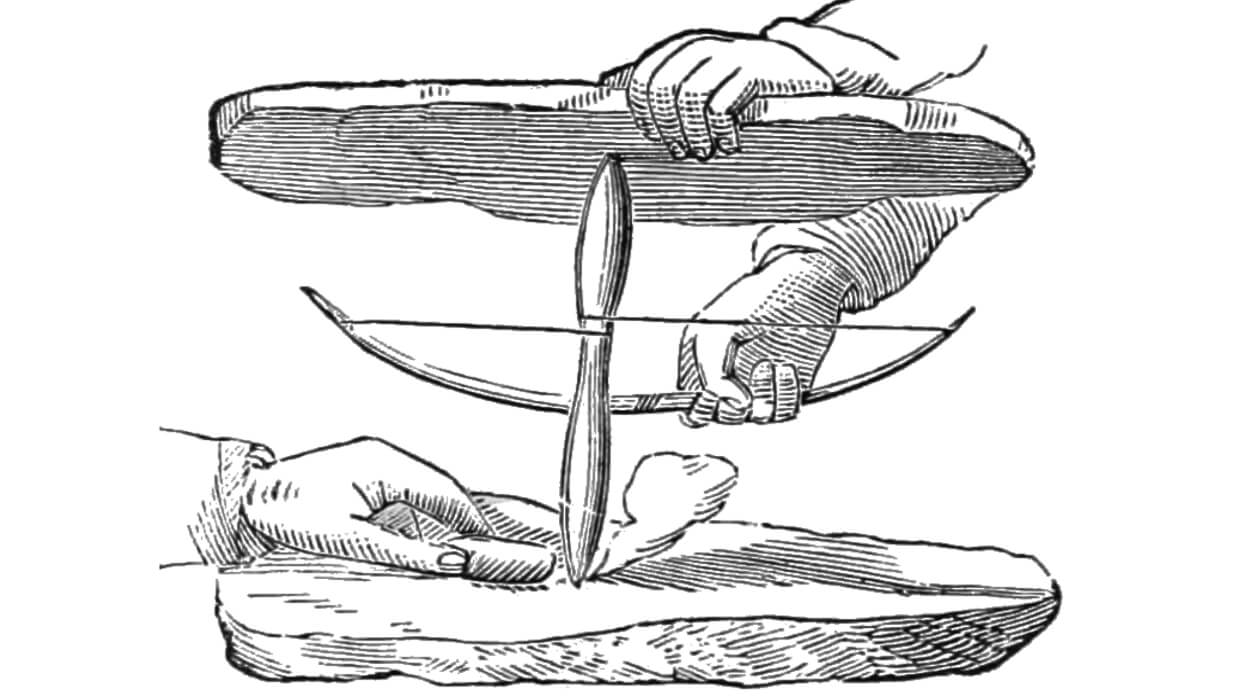
Manual drilling techniques help create holes without using a power drill. These methods use simple tools you might already have at home. They work well for light tasks and small projects. Manual drilling takes patience but can be very effective.
Using A Screwdriver And Hammer
Hold a sharp screwdriver against the spot to drill. Tap the handle gently with a hammer. The screwdriver will slowly make a hole in soft wood or plastic. Keep tapping and turning the screwdriver slightly. This method gives control and precision for small holes.
Employing A Nail And Pliers
Choose a strong nail with a pointed tip. Use pliers to hold the nail steady. Push the nail into the material by hand. Twist the nail back and forth to widen the hole. This works well on thin wood or drywall. Pliers help keep your fingers safe and give better grip.
Twisting With A Handheld Awl
An awl is a sharp pointed tool for making holes. Press the awl firmly against the material. Twist it slowly while pushing down. The awl cuts through wood or leather easily. This method gives clean holes with little effort. It is perfect for small, precise work.
Household Items As Drilling Tools
Drilling holes without a drill might seem hard. Yet, many household items can help you make small holes. These tools work best for soft materials like wood, plastic, or fabric. Using what you have saves time and money. It also means you can fix things quickly.
Using A Heated Nail For Soft Materials
A heated nail can create holes in soft materials. Heat the nail over a flame until it’s hot. Be careful not to burn yourself. Press the hot nail on the spot you want to drill. The heat will melt or burn a hole through the material. This method works well for thin plastic or soft wood.
Repurposing A Drill Bit With A Handheld Tool
You can use a drill bit without a drill. Attach it to a screwdriver or a similar handheld tool. Turn the bit by hand, applying pressure. It takes time but creates a clean hole. Choose the right size bit for your hole. This method suits soft wood and thin metal sheets.
Creating Holes With A Sharp Knife
A sharp knife can make holes in some materials. Use the knife tip to poke or twist into the surface. Move the knife gently in a circular motion. This will enlarge the hole slowly. Be careful to avoid slipping and injuries. This method works well on thin plastic and leather.
Power Tool Alternatives
Power tools are useful for drilling holes, but not everyone owns a drill. There are other tools that can help you drill without a traditional drill. These power tool alternatives work well for different tasks and materials. They can save time and effort while giving good results.
Using A Rotary Tool With Attachments
A rotary tool is small and easy to handle. It has many attachments, including drill bits. You can use it to make holes in wood, plastic, and metal. Choose the right bit size for your project. Hold the tool steady and apply light pressure. It works well for small to medium holes.
Leveraging A Screw Gun
A screw gun is mainly for driving screws, but it can also drill holes. It is fast and powerful, perfect for wood and drywall. Use the drill bit attachment, and you can create clean holes quickly. Screw guns are easy to control and less bulky than drills.
Employing A Dremel For Small Holes
A Dremel tool is similar to a rotary tool but usually more precise. It is great for small holes and detailed work. Use small drill bits made for Dremels. This tool works best on soft materials like plastic or thin wood. It gives you good control for delicate tasks.

Credit: abutterflyhouse.com
Safety Tips For Diy Drilling
Drilling without a drill needs extra care. Safety is the first step in any DIY drilling task. Protecting yourself and your project helps avoid accidents and damage. Follow these simple safety tips before you start.
Protective Gear Essentials
Always wear safety goggles to protect your eyes from dust and debris. Use gloves to keep your hands safe from sharp edges and splinters. A dust mask helps prevent breathing in harmful particles. Wear clothes that cover your skin to avoid scratches.
Preventing Material Damage
Choose the right tool for the material you want to drill. Mark the spot clearly before you start to avoid mistakes. Use gentle pressure to avoid cracking or breaking the material. Keep the material steady with clamps or a firm grip.
Handling Tools Safely
Hold tools firmly and keep fingers away from the cutting area. Work slowly and steadily, never rush the process. Keep your workspace clean to avoid slipping or tripping. Store tools safely after use to prevent injuries.
Best Materials For Non-drill Holes
Creating holes without a drill depends on the material type. Some materials are easy to work with using simple tools. Knowing the best materials for non-drill holes helps in planning your project. This guide covers wood, soft plastics, thin metals, drywall, and plaster.
Wood And Soft Plastics
Wood is soft and easy to puncture. Use a sharp nail or screwdriver to make holes. Push or hammer the tool gently to avoid splitting the wood. Soft plastics also work well. A heated needle or thin metal rod can melt through plastic. Take care to keep the hole clean and smooth.
Thin Metals
Thin metal sheets need more care. A hand punch or metal awl can create small holes. Mark the spot first. Press or tap the tool firmly. Use gloves to protect your hands. Thin metals bend easily, so support the sheet on a hard surface.
Drywall And Plaster
Drywall and plaster are fragile materials. A sharp nail or pin can make holes quickly. Push the tool gently to avoid cracking. For larger holes, use a keyhole saw or utility knife. Cut carefully to keep the edges neat. These materials are forgiving for non-drill holes.
Credit: www.youtube.com
Frequently Asked Questions
How Can I Make Holes Without A Drill?
You can use a hammer and nail to create holes in soft materials. Push the nail where you want the hole. Tap gently with the hammer until the nail penetrates the surface. Remove the nail carefully to leave a hole behind.
What Tools Work Instead Of A Power Drill?
A screwdriver, awl, or hand brace can substitute for a power drill. They require more effort but can create holes. Choose the tool based on material hardness and hole size needed for best results.
Is Drilling Without A Drill Safe?
Yes, drilling without a drill can be safe if done correctly. Use proper tools and protective gear like gloves and goggles. Work slowly and carefully to avoid injury or material damage during the process.
Can I Drill Through Wood Without A Drill?
Yes, you can use a sharp nail and hammer to drill wood. Slowly tap the nail to create a hole. Alternatively, a hand brace or awl can also work well for wood surfaces.
Conclusion
Drilling without a drill is possible with simple tools. You can use a screwdriver, nail, or even a knife carefully. These methods work well for small holes and light tasks. Always take safety first and work slowly. Practice helps you improve your technique over time.
Keep these tips in mind for times without power tools. You don’t need a drill to get the job done. Just stay patient and creative.
