


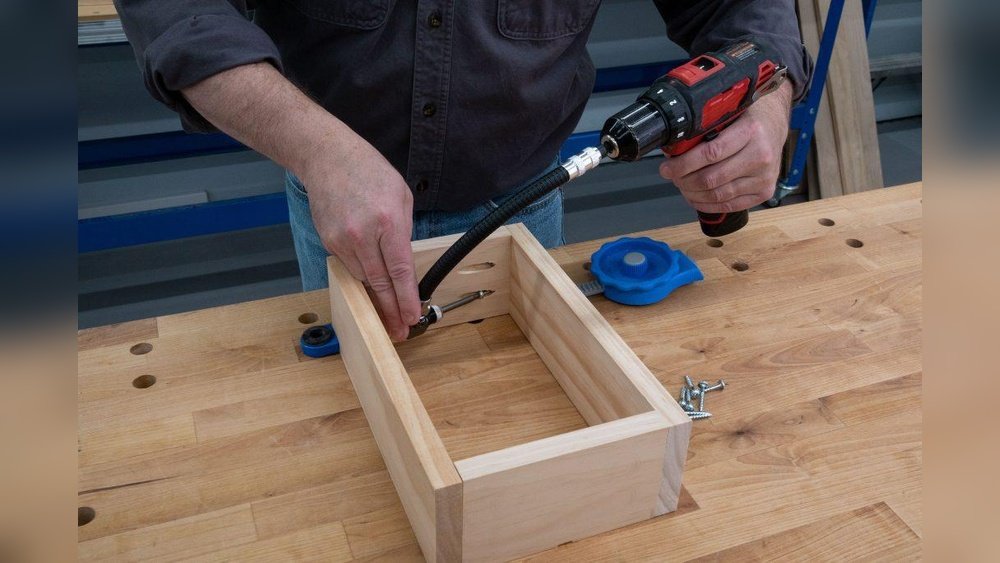
Have you ever faced the frustration of trying to drill in a tight spot, only to realize your drill just won’t fit? You’re not alone.
Drilling in cramped spaces can feel impossible, but with the right tips and tools, you can tackle those tricky areas confidently. Imagine finishing your project faster, without the struggle or damage. You’ll discover simple, practical ways to drill in tight spaces like a pro.
Keep reading—you’re about to unlock techniques that will save you time and stress on your next project.

Credit: www.martinispa.com
Choosing The Right Drill
Choosing the right drill is crucial for working in tight spaces. A drill that fits well and works smoothly makes the job easier. The right drill helps you reach spots that are hard to access. It also reduces the risk of mistakes and damage. Picking a drill designed for small areas improves your work quality and speed.
Compact And Cordless Models
Compact drills have smaller bodies and shorter heads. This design helps you fit the drill into narrow spaces. Cordless drills add freedom of movement without a cord getting in the way. Battery-powered drills are easier to handle in tight spots. Choose a compact and cordless model for better control and access.
Key Features To Consider
Look for drills with variable speed settings for more control. A lightweight drill reduces fatigue during long tasks. An ergonomic grip offers comfort and better handling. Check the drill’s chuck size; smaller chucks fit better in tight spaces. LED lights on the drill help see dark corners. These features make drilling in tight spaces safer and easier.
Essential Drill Bits For Tight Spots
Drilling in tight spaces requires the right tools to work efficiently. Choosing the right drill bits can make the task easier and safer. Some bits are designed specifically for narrow or hard-to-reach spots. These bits fit well where standard ones cannot. Using the correct drill bits prevents damage to your work and tools.
Flexible And Right-angle Bits
Flexible drill bits bend to reach awkward angles. They allow drilling in spots with limited space. These bits attach to a drill and curve as needed. Right-angle bits work well for corners and tight gaps. They have a small head set at a 90-degree angle. This design lets you drill in spaces where a straight drill won’t fit. Both types improve control and precision.
Specialty Bits For Precision
Specialty bits help drill with accuracy in tight spaces. They include small diameter bits for delicate tasks. These bits reduce the risk of cracking or breaking material. Brad point bits guide drilling to prevent slipping. Countersink bits create clean holes for screws. Using specialty bits ensures neat, professional results. They make drilling in tight spots less stressful and more effective.
Preparing The Workspace
Preparing the workspace is a key step before drilling in tight spaces. It helps ensure safety and accuracy. A clean, organized area reduces the chance of mistakes. Proper preparation also makes the drilling process smoother and faster.
Clearing Obstacles
Remove all objects near the drilling spot. Tools, wires, or debris can block your work. Clear the area to give yourself enough room to move. This lowers the risk of accidents or damage. A tidy workspace lets you focus on the task.
Marking Accurate Drill Points
Use a pencil or marker to mark where you will drill. Check the measurements twice for accuracy. Clear marks guide the drill bit and prevent errors. Marking points also helps you keep steady in tight spots. Precise markings save time and improve results.

Credit: renov8or.blogspot.com
Techniques For Tight-area Drilling
Drilling in tight spaces can be tough. Limited room makes it hard to control the drill. It also increases the chance of mistakes. Using the right techniques can help you work safely and efficiently. Small changes to your tools and methods can make a big difference.
Using Extension Attachments
Extension attachments add length to your drill bit. This helps reach spots far from the drill body. Extensions come in different sizes and types. Choose one that fits your drill and bit well. Attach it firmly to avoid wobbling. This gives better control in narrow areas. Extensions also help keep your hands away from danger.
Adjusting Drill Speed And Pressure
Slow down the drill speed in tight spaces. High speed can cause the bit to slip or break. Use gentle, steady pressure instead of pushing hard. This prevents damage to the material and drill bit. Lower speed and soft pressure improve accuracy. They also reduce heat build-up, which protects the drill bit.
Safety Tips In Confined Areas
Drilling in tight spaces requires extra care. The small area limits movement and increases risks. Safety is a top priority to prevent accidents. Use the right precautions before starting any work in confined spots.
Protective Gear Essentials
Wear safety glasses to protect your eyes from dust and debris. Use gloves to keep your hands safe and improve grip. A dust mask helps avoid breathing in harmful particles. Hearing protection reduces noise damage from the drill. Choose gear that fits well and feels comfortable for long work sessions.
Avoiding Common Hazards
Clear the area of loose objects that could cause trips or falls. Check for hidden wires or pipes behind walls before drilling. Keep the work space well lit to see clearly. Take breaks to avoid fatigue, which can lead to mistakes. Keep a first aid kit nearby for emergencies. Always stay alert to your surroundings while working.
Troubleshooting Common Challenges
Drilling in tight spaces can be tricky. Many face common problems that slow work down. Knowing how to fix these issues saves time and effort. Troubleshooting helps keep the drill steady and accurate. It also makes the task safer and smoother.
Dealing With Limited Visibility
Small spaces often block your view of the drill bit. This makes it hard to see where to drill. Use a small mirror or flashlight to shine light on the spot. Clear any dust or debris that might hide the target area. Take your time and adjust your position to get a better angle. This helps you guide the drill bit exactly where it needs to go.
Managing Drill Slippage
Slippage happens when the drill bit slips off the surface. It can cause damage or injury. To avoid this, start with a small pilot hole. Use a drill bit with a sharp tip that grips the material well. Hold the drill firmly and keep it steady. Use slow and steady pressure, not too hard. A piece of tape on the spot can give extra grip and stop slipping.
Maintenance Tips For Precision Drilling
Maintaining tools is key for precision drilling in tight spaces. Well-kept equipment works better and lasts longer. Small details in care can make a big difference in results and safety.
Keeping Drill Bits Sharp
Dull drill bits cause poor cuts and damage surfaces. Check bits often for wear or chips. Use a sharpening tool or take them to a professional. Sharp bits reduce effort and improve accuracy. Change bits at the first sign of dullness.
Proper Tool Storage
Store drill bits and tools in a dry, clean place. Use cases or holders to keep bits from banging together. Avoid moisture to stop rust and corrosion. Label storage to find tools quickly and avoid damage. Proper storage keeps tools ready and safe for use.

Credit: www.youtube.com
Frequently Asked Questions
What Tools Work Best For Drilling In Tight Spaces?
Compact cordless drills, right-angle drill attachments, and flexible drill shafts work best. These tools provide better maneuverability and control in confined areas, making drilling easier and more precise in tight spots.
How Can I Prepare A Tight Space For Drilling?
Clear the area of obstructions and ensure good lighting. Measure accurately and mark the spot to avoid mistakes. Using a smaller pilot hole can help guide the drill bit effectively in tight spaces.
What Drill Bit Types Are Ideal For Tight Spaces?
Shorter drill bits, brad-point bits, and flexible drill bits are ideal. They fit better in confined areas and reduce the chance of slipping, ensuring precise and clean holes when drilling in tight spots.
How Do I Maintain Safety When Drilling In Tight Spaces?
Wear safety goggles and gloves. Secure the workpiece properly and keep your hands clear of the drill bit. Use slow speed to prevent slipping and maintain control in confined areas.
Conclusion
Drilling in tight spaces needs care and the right tools. Choose slim drills and work slowly. Measure well to avoid mistakes. Keep steady hands and focus on the task. Small changes make big differences. Practice makes drilling easier every time.
Use these tips for safer, cleaner results. You can handle tough spots with confidence. Keep learning and improving your skills. Tight spaces don’t have to hold you back.
