


Are you struggling to get the perfect cut with your drill press because the speed feels just too fast? Lowering the speed on your drill press can make a huge difference in the quality of your work and the lifespan of your tools.
But how do you do it without complicated steps or expensive upgrades? You’ll discover simple, effective ways to slow down your drill press so you can work smarter, not harder. Keep reading, and you’ll soon have full control over your machine’s speed—making every project easier and safer.
Types Of Drill Press Speeds
Drill presses come with different ways to control speed. Understanding these types helps in choosing the right method to lower speed. Each type offers unique features and ease of use. Knowing them improves safety and work quality.
Variable Speed Models
Variable speed models allow easy speed adjustments. They use a dial or lever to change speed smoothly. No need to stop the machine to adjust speed. Ideal for projects requiring different speeds in one task.
Belt And Pulley Systems
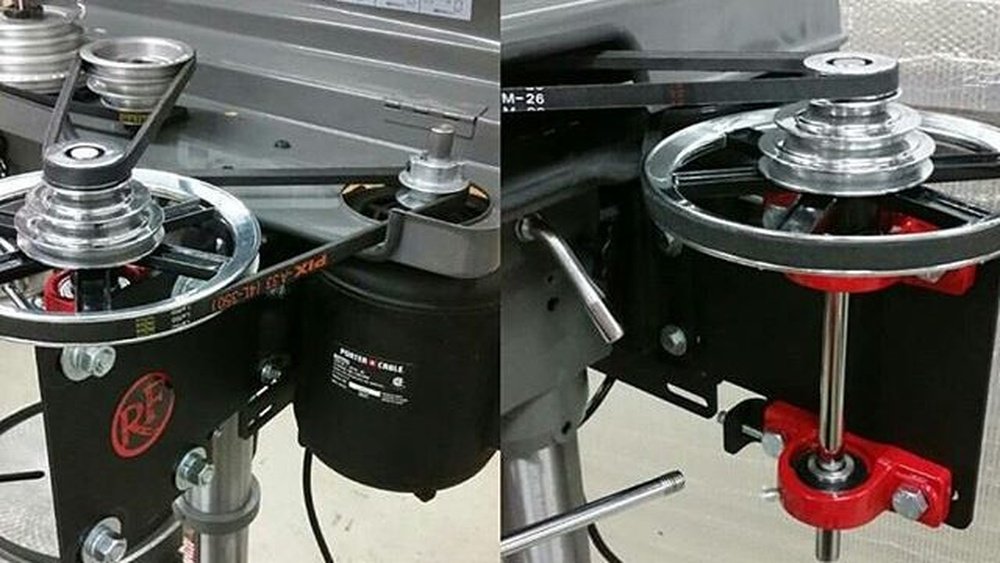
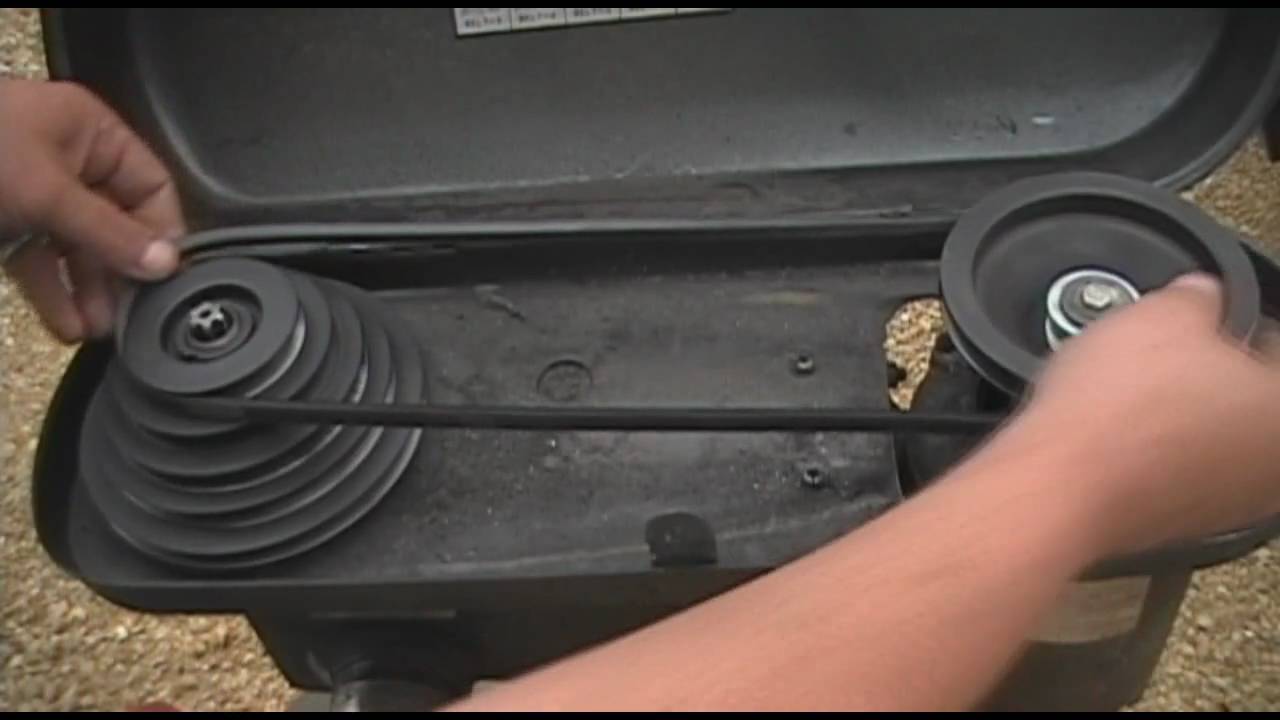
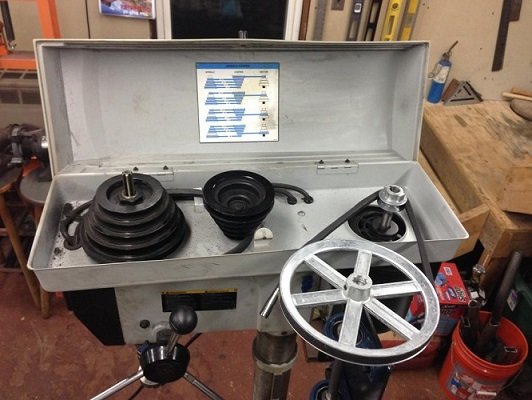
Belt and pulley systems change speed by moving belts across pulleys. You must open the cover to adjust the belt position. More belt on larger pulleys means lower speed. This method is common in older or basic drill presses.
Gear-driven Speeds
Gear-driven speeds use gears inside the machine to set speed. You select gears to change speeds. This system is simple and very durable. Changing speed may require stopping the drill press first.
Credit: www.youtube.com
Reasons To Lower Drill Press Speed
Lowering the speed on a drill press is often necessary for better results and safety. The right speed helps protect the material and the tool. It also improves the quality of your work. Understanding why to reduce speed can make your projects smoother and longer-lasting.
Material Considerations
Different materials need different speeds for drilling. Soft materials like wood require slower speeds. Hard metals need even slower speeds to avoid burning or melting. High speed can cause cracking or damage to delicate materials. Adjusting speed helps keep the material safe and intact.
Tool Longevity
Running a drill press too fast wears out the motor and parts quickly. Lower speed reduces heat buildup inside the machine. Less heat means less damage to bearings and belts. Slower speeds help your drill press last longer and save money on repairs.
Achieving Precision
Slower speeds give better control and accuracy. Fast drilling can cause the bit to slip or wander. Lower speed allows for clean, straight holes. It helps avoid mistakes and improves the overall finish of your work.
Adjusting Speed On Variable Models
Adjusting speed on variable drill press models is simple and useful. These models let you change speed without stopping work or moving belts. This gives better control for different materials and drill bits.
Lower speed helps with drilling metal or delicate wood. It also reduces heat and bit wear. Knowing how to adjust speed safely keeps your work smooth and your tools lasting longer.
Using The Speed Control Dial
The speed control dial lets you change drill speed easily. Turn the dial to the left to slow down. Turn it right to speed up. Numbers or markings show speed levels.
Start at a low speed for tough materials. Increase speed for soft wood or plastic. Adjust slowly to avoid sudden changes. Watch the drill bit to see how it reacts.
Safety Precautions
Always turn off the drill press before adjusting speed. Keep hands clear of moving parts. Wear safety goggles to protect your eyes.
Check the drill bit is tight and secure. Use slower speeds for larger or dull bits. Avoid forcing the drill. Let the speed and bit do the work.
Changing Belt And Pulley Positions
Changing the belt and pulley positions is a common way to lower the speed on a drill press. This method controls how fast the drill spins by adjusting the belt on different pulley sizes. It works by changing the gear ratio between the motor and the drill spindle.
Knowing how to move the belt safely can help you get the right speed for your project. It also keeps your drill press running smoothly and prevents damage. Below are clear steps to guide you through the process.
Locating The Belt Housing
First, find the belt housing on your drill press. It is usually at the top, covered by a metal or plastic guard. This cover protects the belt and pulleys. Remove the cover carefully using a screwdriver or by hand. Keep the screws safe for reassembly. Inside, you will see the belts and pulleys clearly.
Steps To Shift The Belt
Turn off and unplug the drill press before touching the belt. Loosen the motor mount bolts slightly to release tension on the belt. Move the belt from the current pulley position to a larger pulley on the motor or a smaller pulley on the spindle. This change reduces the speed. Tighten the motor mount bolts again to keep the belt tight. Check that the belt sits properly in the pulley grooves.
Testing Speed Settings
Plug in the drill press and turn it on at a low speed setting. Watch the belt and pulleys to make sure the belt runs smoothly without slipping. Listen for strange noises or vibrations. If the belt slips or the speed is too high, turn off the machine and adjust the belt tension again. Repeat until you find the right speed and stable belt movement.
Modifying Gear-driven Speeds
Modifying gear-driven speeds on a drill press helps control how fast the drill bit spins. Lower speeds are useful for drilling tough materials or large holes. Adjusting the gears inside the drill press changes the speed without harming the motor. This method is reliable and precise. Understanding the gearbox and selecting the right gears is key to success.
Accessing The Gearbox
Start by unplugging the drill press for safety. Remove the cover that protects the gearbox. This cover is usually held by screws or clips. Use a screwdriver to take it off carefully. Inside, you will see a set of gears connected to the motor and spindle. Clean any dust or grease to get a clear view. Check for any damage before changing gears.
Selecting Appropriate Gears
Identify the gear sizes to reduce speed effectively. Larger gears on the spindle side slow down rotation. Smaller gears on the motor side also lower speed. Choose gears that fit well and match the drill press model. Avoid gears that are too big or small to prevent damage. Test the new gear setup by turning the spindle by hand first. Ensure smooth movement before powering on the drill press.
Additional Tips For Precision Drilling
Precision is key when drilling with a drill press. Small mistakes can cause big problems. Slowing the drill speed helps, but other steps improve accuracy too. These tips make your drilling clean and exact.
Using Clamps And Jigs
Clamps hold the workpiece steady. This stops it from moving during drilling. A jig guides the drill bit. It ensures holes are in the right spot every time. Both tools reduce errors and improve safety.
Proper Drill Bit Selection
Choose drill bits made for your material. Sharp bits cut better and need less pressure. Using the right size prevents the hole from being too big or small. This keeps your project precise and neat.
Maintaining Consistent Feed Rate
Push the drill bit down evenly. Too fast can cause rough holes or damage the bit. Too slow wastes time and may overheat the drill. A steady, gentle feed gives smooth, clean holes.
Common Mistakes To Avoid
Lowering the speed on a drill press might seem simple. Many beginners make small errors that can cause damage or injury. Avoid these common mistakes to keep your work safe and effective. Understanding what not to do saves time and effort.
Over-tightening Belts
Many think tightening belts more makes the drill work better. Too much tension can wear out belts quickly. It can also damage the motor or pulleys. Check the manual for the right belt tension. The belt should be firm but not too tight.
Ignoring Safety Measures
Speed changes can cause parts to fly off or tools to slip. Always wear safety glasses and gloves. Keep loose clothes and hair away from moving parts. Switch off the machine before adjusting speed. Never leave the drill press running unattended.
Using Incorrect Speed Settings
Each material needs a specific speed for drilling. Using too fast a speed can burn the drill bit or workpiece. Too slow can cause rough holes or bit damage. Refer to speed charts for the right setting. Adjust speed gradually and test before full use.

Credit: www.youtube.com
Credit: www.roguefab.com
Frequently Asked Questions
How Can I Lower The Speed On A Drill Press Safely?
To lower drill press speed safely, adjust the belt position on the pulley system. Turn off the machine first. Loosen the belt tension lever, move the belt to a larger pulley, then retighten the lever. This reduces spindle speed and maintains control.
What Tools Help Reduce Drill Press Speed Effectively?
Using a variable speed controller or a pulley system helps reduce drill press speed. Variable speed controllers adjust motor power smoothly. Changing pulley sizes modifies mechanical speed. Both methods control drilling speed for different materials safely and efficiently.
Why Is Lowering Speed Important For Drill Press Use?
Lowering speed improves drilling accuracy and prevents overheating. It suits harder materials like metal or hardwood. Proper speed reduces bit wear and avoids damage. Adjusting speed ensures cleaner holes and longer tool life.
Can I Lower Speed Without Changing Pulleys On A Drill Press?
Yes, if your drill press has a variable speed motor, use its control dial. Otherwise, use an external variable speed controller. These methods adjust speed electronically without mechanical changes, offering convenience and precision.
Conclusion
Lowering the speed on a drill press helps you work safer and better. Use the right method for your machine type. Adjust the belt, change gears, or set the variable speed control. Always check the speed before starting your project.
Slower speed works well for tough materials and big drill bits. Practice these steps to improve your drilling results. Keep your drill press in good shape by following these tips. Your projects will look cleaner and last longer with the right speed.
