


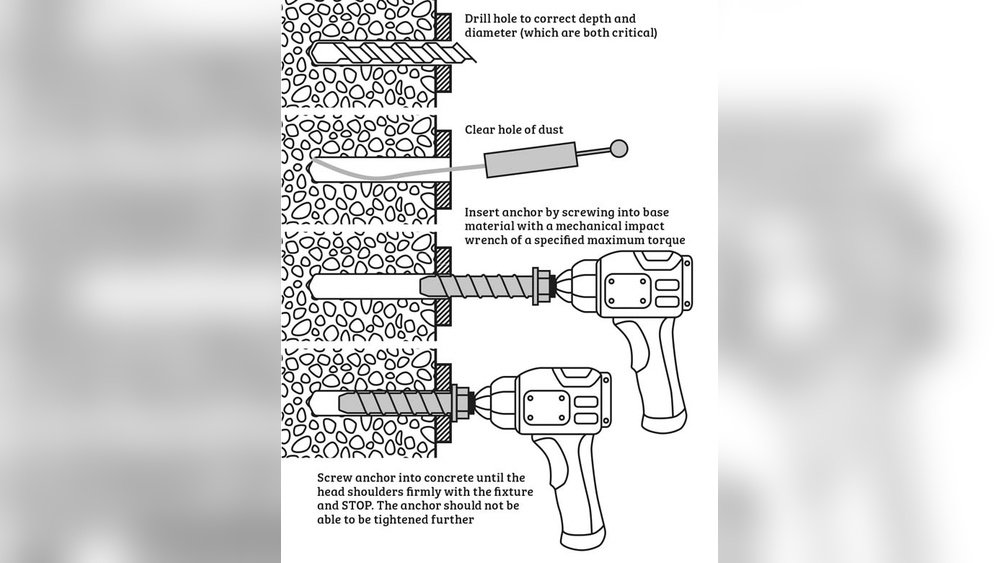
If you’ve ever needed to hang something heavy or secure an object to concrete, you know it’s not as simple as using regular screws. Drilling an anchor into concrete can feel tricky, but with the right steps, you can do it quickly and safely.
This guide will show you exactly how to drill an anchor into concrete, so your project stays strong and secure. Keep reading to learn the easy, practical tips that will save you time and frustration. Your next DIY job will be a success!

Credit: www.youtube.com
Choosing The Right Anchor
Choosing the right anchor is key to a strong hold in concrete. The right anchor prevents slipping and damage. It also makes your project safe and long-lasting. Understanding anchor types helps select the best one for your task.
Types Of Concrete Anchors
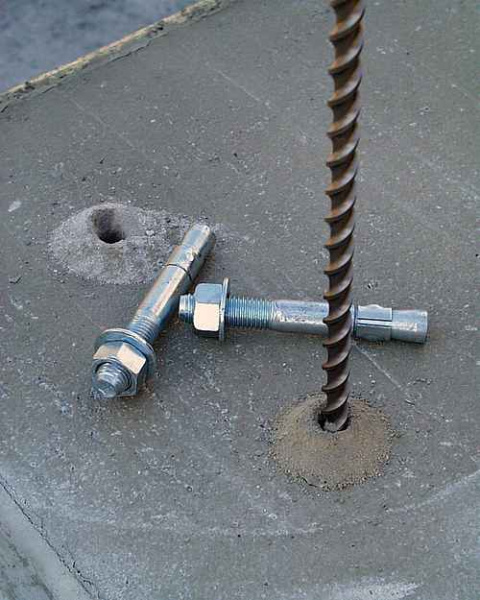
Concrete anchors come in several types. Wedge anchors expand inside the hole for a tight grip. Sleeve anchors have a metal sleeve that spreads when tightened. Drop-in anchors sit flush and are used with bolts. Tapcon screws drill directly into concrete. Each type suits different weights and uses.
Factors To Consider
Consider the weight of the object to hang. Check the concrete’s condition and thickness. Think about moisture or outdoor exposure. Choose an anchor that fits the hole size. Also, consider how easy it is to install and remove.
Tools And Materials Needed
You need a hammer drill and a masonry bit. Have the correct size anchor and wrench ready. Safety glasses protect your eyes from dust. A vacuum or brush cleans the hole. Tape measure helps mark drilling spots accurately.

Credit: www.youtube.com
Preparing The Work Area
Preparing the work area is the first step before drilling an anchor into concrete. A clean and organized space helps you work safely and efficiently. Taking time to prepare reduces mistakes and accidents. Follow simple steps to get your area ready.
Safety Precautions
Wear safety goggles to protect your eyes from dust and debris. Use ear protection if the drill is loud. Gloves help protect your hands from sharp edges and rough surfaces. Keep a first aid kit nearby in case of minor injuries. Remove loose clothing and tie back long hair to avoid accidents. Make sure the work area is well-lit to see clearly.
Marking The Drill Spot
Use a pencil or marker to mark the exact spot for drilling. Double-check the location before you start. Measure twice, mark once. The mark should be clear and easy to see. This ensures the anchor goes in the right place. Avoid guessing the spot to prevent mistakes.
Clearing The Surface
Remove dust, dirt, and loose concrete from the drill area. Use a brush or cloth to clean the surface. A clean surface helps the drill bit stay steady. It also improves the anchor’s hold. Clear space around the spot so you can move easily while drilling. This step makes the job smoother and safer.
Drilling The Hole
Drilling the hole is the first step to secure an anchor in concrete. This step requires focus and the right tools. A clean, correctly sized hole ensures the anchor holds strong. Follow the steps carefully for a safe and stable installation.
Selecting The Drill Bit
Use a masonry drill bit designed for concrete. Choose a bit slightly smaller than the anchor diameter. This helps the anchor fit tightly and hold better. Check the bit for wear or damage before drilling.
Setting Drill Speed And Mode
Set your drill to hammer mode if available. This mode helps break concrete efficiently. Use a slow to medium speed to control the drill. Too fast can overheat the bit and damage the hole.
Proper Drilling Technique
Hold the drill firmly and keep it straight. Start drilling slowly to make a guide hole. Apply steady pressure, but do not push too hard. Pull the drill out occasionally to clear dust. This keeps the hole clean and smooth.
Cleaning The Hole
Cleaning the hole is a vital step after drilling into concrete. It removes dust and loose debris that can weaken the anchor’s hold. A clean hole ensures the anchor sticks firmly and lasts longer.
Removing Dust And Debris
Dust and small debris settle at the bottom of the hole after drilling. These particles block proper contact between the anchor and concrete. Removing them creates a stronger bond and prevents anchor failure.
Using A Vacuum Or Brush
Use a vacuum to suck out dust and dirt from the hole. If no vacuum is available, a stiff brush works well. Insert the brush inside and twist it several times. Repeat vacuuming and brushing until the hole is clean.
Ensuring A Clean Surface For Adhesion
A clean surface helps adhesives or expansion anchors grip better. Dust reduces friction and causes slipping. Clear holes improve anchor strength and keep your installation safe and secure.
Installing The Anchor
Installing the anchor in concrete is a crucial step for a strong hold. Follow each step carefully to ensure the anchor stays secure. Proper installation helps the anchor support weight and resist movement. Let’s break down the process into simple parts.
Inserting The Anchor Correctly
First, clean the hole from dust and debris. Use a brush or compressed air to clear it out. Then, place the anchor straight into the hole. Tap it lightly with a hammer until it fits snugly. Make sure the anchor is flush with the concrete surface.
Tightening And Securing
Next, insert the bolt or screw into the anchor. Turn it slowly with a wrench or screwdriver. Tighten until you feel resistance, but do not over-tighten. Over-tightening can damage the anchor or concrete. The goal is a firm, stable connection.
Checking For Stability
After tightening, test the anchor’s hold by applying light pressure. Move the attached object gently to check for any wobble. The anchor should stay firmly in place. If it moves, remove and reinstall the anchor or try a different type.
Common Mistakes To Avoid
Drilling an anchor into concrete might seem simple. Yet, many make mistakes that cause weak holds or damage. Avoid these common errors to get strong, lasting results. Focus on the details for better success.
Overdrilling Or Underdrilling
Drilling too deep wastes effort and weakens the concrete. Too shallow, and the anchor won’t fit properly. Measure the anchor length before drilling. Match the hole depth exactly. This ensures a tight fit and strong hold.
Ignoring Safety Measures
Concrete dust and flying debris can cause injury. Always wear safety goggles and a dust mask. Use ear protection if the drill is loud. Secure the drill firmly to avoid slips. Safety protects both you and your work.
Using Incorrect Anchor Types
Not all anchors suit every job. Choose anchors designed for concrete, not wood or drywall. Using the wrong type leads to failure. Check the weight and load requirements before buying. Correct anchors hold better and last longer.
Tips For Best Results
Drilling an anchor into concrete requires care and the right approach. Small details affect the result a lot. Following some simple tips helps you get a strong hold and avoid damage. These tips also make the task faster and safer.
Maintaining Tools
Keep your drill and bits clean and sharp. Dull bits make drilling harder and cause overheating. Check the drill for loose parts before starting. Use the right drill bit size for your anchor. Replace worn-out bits to keep holes precise and clean.
Working In Different Concrete Conditions
Concrete varies in hardness and moisture. Dry concrete drills faster. Wet or cold concrete may slow the process. Adjust drill speed to match conditions. Use water spray to cool bits if needed. Always wear safety glasses and a dust mask.
When To Seek Professional Help
Some jobs need expert skills. Large anchors or deep holes can be tricky. Old or cracked concrete may break easily. If unsure about the concrete or tools, call a professional. They have the right tools and experience for tough jobs.
Credit: www.fastcoinc.com
Frequently Asked Questions
What Tools Do I Need To Drill An Anchor Into Concrete?
You need a hammer drill, masonry bit, concrete anchors, a pencil, and safety gear. A hammer drill ensures efficient drilling into concrete. Masonry bits match the anchor size for a proper fit.
How Deep Should I Drill For A Concrete Anchor?
Drill the hole at least 1/2 inch deeper than the anchor length. This allows for dust and easy anchor insertion. Proper depth ensures a secure hold for the anchor in concrete.
Can I Use A Regular Drill Instead Of A Hammer Drill?
A regular drill is not recommended for concrete anchors. Hammer drills provide the impact needed to penetrate hard concrete. Using a regular drill can damage the bit and reduce drilling efficiency.
How Do I Clean The Drilled Hole Before Inserting The Anchor?
Use a wire brush or compressed air to remove dust and debris. Cleaning the hole ensures better anchor adhesion and grip. Proper cleaning increases the anchor’s holding strength in concrete.
Conclusion
Drilling an anchor into concrete is simple with the right steps. Start by choosing the correct drill bit and anchor type. Mark your spot clearly and drill straight into the concrete. Clean the hole to remove dust and debris. Insert the anchor firmly and tighten as needed.
Taking your time ensures a strong hold. Practice safety by wearing goggles and gloves. This method helps your project stay secure and lasts long. Try it yourself and see how easy it can be. Safe and steady work leads to great results every time.
