

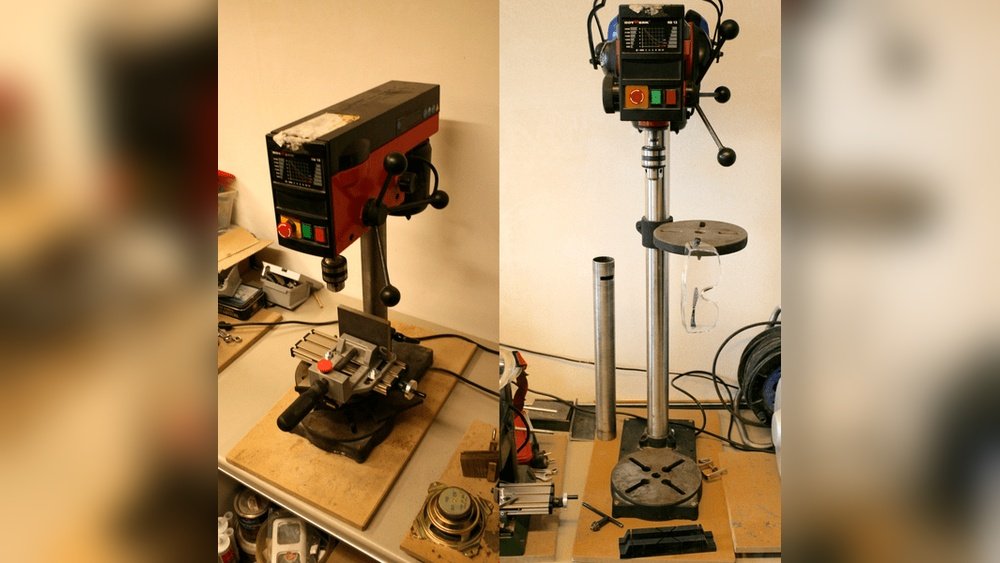
Are you struggling to work comfortably with your drill press because it’s just too short? Making your drill press taller can transform your workspace and improve your precision.
Whether you’re dealing with awkward angles or bulky projects, adjusting the height can make a huge difference. You’ll discover simple, practical ways to raise your drill press safely and effectively. Keep reading—you’re about to unlock a game-changing tip that will make every drilling task easier and more accurate.
Credit: www.lumberjocks.com
Assessing Your Drill Press Height
Assessing your drill press height is the first step to making it taller. You need to know the exact height before making any changes. This helps avoid mistakes and ensures the machine works well after adjustment.
Checking the height also shows if the drill press can be safely raised. Some models have limits on how tall they can get. Understanding these limits keeps your work safe and effective.
Measuring Current Height
Use a tape measure to find your drill press height. Measure from the base to the top of the drill head. Write down this number for reference.
Measure the distance from the table to the drill bit too. This helps know how much space you have for bigger workpieces. Take note of any extra parts that add to the height.
Identifying Height Limitations
Look for any parts that block height changes. Some drill presses have fixed columns that limit raising. Check if the base or table moves freely.
Check the drill press manual for height limits. It may say the maximum safe height. Also, inspect the power cord and switches for tight spots. These may limit how tall you can make the press.
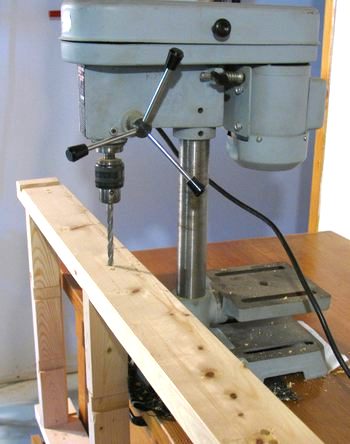
Credit: woodgears.ca
Choosing The Right Extension Method
Choosing the right method to make your drill press taller depends on your workspace and needs. The goal is to raise the drill press safely and steadily. This ensures better comfort and control during use. Several ways exist to extend your drill press height. Each has its own benefits and suits different setups.
Using Base Risers
Base risers are blocks placed under the drill press base. They lift the entire machine higher. Risers come in wood, metal, or plastic. Wood is easy to customize but less durable. Metal risers provide strong support and last longer. Risers are simple to install and remove. Ensure the risers are thick enough for your desired height. Secure the drill press firmly to avoid movement during work.
Adding An Adjustable Stand
An adjustable stand offers height flexibility for your drill press. It allows you to change the height as needed. Stands can be bought or built to fit your model. Look for stands with sturdy legs and locking mechanisms. Adjustable stands often have wheels for easy moving. This method suits users who need variable height settings. It also helps save space when the drill press is not in use.
Custom Frame Extensions
Custom frame extensions are tailored solutions for raising your drill press. They involve building a new frame or extending the current one. This method fits specific height needs perfectly. Use strong materials like steel or hardwood for safety. Custom frames require more time and skill to make. They offer the most stable and permanent height increase. Ideal for heavy-duty users or fixed workshop setups.
Materials And Tools Needed
Making a drill press taller needs the right materials and tools. Using quality items ensures safety and stability. The right tools make the job easier and more precise.
Selecting Quality Materials
Choose strong, durable wood or metal for the base extension. Hardwood like oak or maple works well. Metal pieces should be rust-resistant and sturdy. Avoid weak or soft materials that can break easily. Measure the height needed before buying materials. Proper size and strength matter most for a safe build.
Essential Tools For Modification
Prepare basic tools like a drill, screwdriver, and measuring tape. A saw helps cut wood or metal to size. Clamps hold parts steady during assembly. A wrench tightens bolts securely. Sandpaper smooths rough edges for a clean finish. Having all tools ready saves time and effort.
Step-by-step Height Upgrade Process
Making your drill press taller can improve your work comfort and expand its uses. Follow this simple height upgrade process to raise your drill press safely and effectively. The steps cover preparation, installation, and securing the new height.
Preparing The Drill Press
Start by unplugging the drill press. Clear the workspace around it. Remove any attachments or clamps on the base. Check the drill press manual for height limits. Measure the current height and decide how much taller you want it. Gather tools like a wrench, screwdriver, and measuring tape. Find a stable, flat surface to work on for safety.
Installing The Extension
Choose a suitable extension, such as a riser block or adjustable stand. Place the extension under the drill press base carefully. Align the holes on the extension with those on the drill press base. Insert bolts or screws through the aligned holes. Tighten them by hand first to hold the extension in place. Use a wrench to secure all bolts firmly. Double-check that the drill press stands straight and level.
Securing And Stabilizing
Test the drill press for any wobble or movement. Add washers or extra nuts if needed to tighten bolts more. Use clamps or brackets if the extension kit includes them. Ensure the drill press base feels solid on the floor. Place anti-slip pads under the base for extra grip. Finally, plug in the drill press and test it at low speed. Confirm stability before full use.
Safety Tips During Modification
Modifying a drill press to make it taller involves changes that can affect its safety. Taking proper safety measures is very important. This keeps you safe and prevents damage to the tool. Follow these tips carefully to work safely during the modification process.
Ensuring Stability
Check the drill press base before starting. It must be flat and strong enough to hold the taller setup. Use heavy materials to support the drill press if needed. Secure all parts tightly to stop any movement. Test the stability after every adjustment. A shaky drill press can cause accidents.
Proper Handling Of Tools
Use the right tools for each step in the modification. Wear safety gloves and goggles to protect yourself. Keep the workspace clean and organized to avoid slips. Follow the tool instructions carefully and use tools with care. Turn off and unplug the drill press before making changes. This prevents accidental starts that can cause injuries.
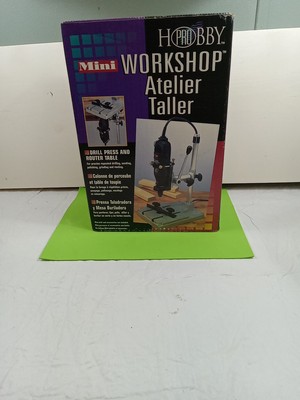
Credit: www.ebay.com
Testing And Adjustments
After making your drill press taller, testing and adjustments are crucial. This step ensures the machine works safely and accurately. Small errors can cause poor drilling results or damage. Take time to check everything carefully before use.
Checking Alignment
Start by checking the alignment of the drill bit with the table. Lower the bit slowly to the table surface. It should hit the center point exactly. If the bit leans or misses, the press needs adjustment.
Use a square or ruler to check the vertical alignment. Make sure the drill head and column are straight. Any tilt can cause uneven holes. Adjust the base or column until the drill bit stays vertical.
Making Final Tweaks
After alignment, test the height adjustment mechanism. Raise and lower the drill press smoothly without wobbling. Tighten any loose bolts or screws that affect stability.
Run a few test holes on scrap wood. Check hole size and shape. If holes are off-center or uneven, adjust the table or drill bit position. Repeat tests until the drill press works perfectly.
Maintenance After Height Upgrade
After making your drill press taller, maintenance is key. The upgrade changes the machine’s balance and parts alignment. Keep the drill press safe and working well with proper care. Focus on regular inspections and cleaning to avoid problems.
Regular Inspections
Check the drill press often for loose bolts and parts. Look at the new height support to make sure it stays steady. Inspect the base for any cracks or damage. Test the motor and switches for smooth operation. Catch small issues early to prevent bigger repairs.
Lubrication And Cleaning
Lubricate moving parts to reduce friction and wear. Use the right oil on the spindle and gears. Clean the drill press after each use. Remove dust, metal shavings, and debris from the table and base. Clean machines last longer and work better.
Frequently Asked Questions
How Can I Safely Increase My Drill Press Height?
Use a sturdy, stable platform or riser beneath the drill press base. Ensure it supports the weight and maintains balance to avoid accidents.
What Materials Work Best To Raise A Drill Press?
Wood blocks, metal stands, or adjustable risers are common. Choose materials that provide strong support and prevent wobbling during use.
Will Raising A Drill Press Affect Its Accuracy?
If properly supported and leveled, height adjustments won’t affect accuracy. Always recheck alignment after modifying height for precise drilling.
Can I Modify The Drill Press Column To Make It Taller?
Modifying the column is complex and risky. It’s better to use external platforms or consult a professional for safe adjustments.
Conclusion
Making a drill press taller can improve your work comfort and project results. Simple steps like adding a sturdy base or adjustable stand help raise the height safely. Always check stability to keep your drill press steady during use. Small changes make a big difference in how you work.
Try these tips to fit your drill press to your needs. Keep safety first and enjoy easier drilling tasks every time.
