


If you’re looking to add a personal touch to your wine barrel or create something unique, knowing how to drill holes in a wine barrel is essential. But it’s not as simple as grabbing a drill and starting—without the right technique, you could damage the wood or cause leaks.
In this guide, you’ll learn easy, step-by-step tips that make the process safe and effective. Whether you’re crafting a planter, a lamp, or a custom tap, this article will give you the confidence to get the job done right. Keep reading, and you’ll master the skill in no time.
Choosing The Right Tools
Choosing the right tools is key before drilling holes in a wine barrel. The correct equipment makes the job easier and safer. It also protects the barrel from damage. Using poor tools can cause splitting or uneven holes. Take time to select drill bits and safety gear carefully. This ensures clean, precise holes and keeps you safe during the process.
Selecting Drill Bits
Pick drill bits made for wood or barrel staves. Spade bits or Forstner bits work well for clean, flat-bottomed holes. Drill bits should be sharp to avoid tearing the wood. Choose the right size for the hole you want. Larger bits need more power and control. Test the bit on scrap wood before drilling the barrel. This helps avoid mistakes and damage to your barrel.
Essential Safety Gear
Wear safety glasses to protect your eyes from wood chips. Use gloves to keep your hands safe and steady. Hearing protection is important if you use a loud power drill. A dust mask can stop you from breathing in sawdust. Secure the barrel firmly to stop it from moving. Safety gear helps prevent accidents and injuries during drilling.
Preparing The Barrel
Preparing the barrel is the first step in drilling holes safely and effectively. Proper preparation helps avoid damage and ensures clean, accurate holes.
Start with careful cleaning and drying. Then mark the exact spots for the holes before drilling.
Cleaning And Drying
Remove all dirt and dust from the barrel surface. Use a soft brush or cloth for cleaning. Avoid harsh chemicals that can damage the wood.
After cleaning, let the barrel dry completely. Moisture can cause wood to swell, making drilling difficult. Dry wood also helps drill bits cut smoothly.
Marking Hole Positions
Use a pencil to mark where you want each hole. Measure carefully to keep holes straight and evenly spaced.
Double-check measurements before drilling. Correct placement prevents mistakes and keeps the barrel strong.
Drilling Techniques
Drilling holes in a wine barrel requires careful technique. It helps protect the wood and keeps the barrel strong. Using the right drilling methods makes the job easier. It also prevents damage to the barrel. Follow these tips for better results.
Drilling At The Correct Angle
Hold the drill straight to the barrel surface. A 90-degree angle helps create clean holes. Tilting the drill can cause cracks or splits. Keep the drill steady and aligned with the wood grain. This ensures smooth entry and prevents wood damage.
Controlling Drill Speed
Use a slow and steady drill speed. Fast drilling can burn the wood or cause rough holes. Slow speed gives more control and accuracy. Let the drill bit do the work. Press gently to avoid splintering or cracking the barrel.

Credit: homesteadandchill.com
Preventing Barrel Damage
Drilling holes in a wine barrel requires care. The wood is old and can break easily. Preventing damage keeps the barrel strong and usable. Small mistakes can cause cracks or splits that ruin the barrel.
Taking steps to protect the wood helps the barrel last longer. Use the right tools and methods. Support the barrel well to avoid pressure points. These actions make the drilling process safer and smoother.
Avoiding Cracks And Splits
Start with a sharp drill bit to reduce wood stress. Drill slowly to control the hole size. Do not press too hard on the barrel. Let the drill do the work. Keep the wood wet if it feels dry. Dry wood is more likely to crack. Mark the spot clearly before drilling. This prevents mistakes and extra holes. Check the barrel’s wood grain and avoid drilling near weak spots.
Using Supports And Clamps
Place the barrel on a stable surface before drilling. Use soft supports to hold the barrel firmly. Clamps help keep the barrel still and prevent movement. Do not clamp too tight to avoid dents. Support the area around the hole well. This spreads pressure evenly and stops cracks. A padded clamp works best to protect the wood. Holding the barrel steady makes drilling easier and safer.
Finishing Touches
Finishing touches are important after drilling holes in a wine barrel. They make the barrel safe and look neat. Careful work here helps protect the wood. It also gives a smooth, clean finish. These last steps prepare the barrel for use or display.
Sanding And Smoothing Edges
After drilling, the hole edges can be rough. Use sandpaper to smooth these edges. Sand gently around each hole. Remove splinters and sharp bits. This prevents injury and wood damage. Smooth edges also help fittings fit better. Use fine-grit sandpaper for a clean finish.
Sealing The Holes
Sealing stops water or air from leaking. Use wood sealant or waterproof varnish. Apply it carefully around each hole. Let the sealant dry fully before using the barrel. This protects the wood from moisture. Sealing also stops cracks from forming. It keeps the barrel strong and long-lasting.
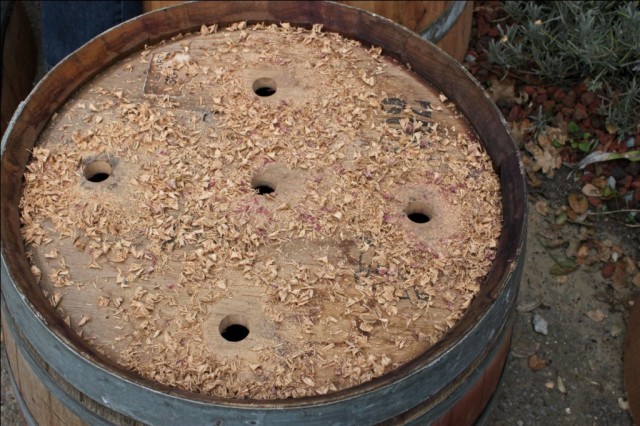
Credit: hitchhikingtoheaven.com
Common Mistakes To Avoid
Drilling holes in a wine barrel requires care and attention. Many beginners make simple mistakes that cause damage or poor results. Avoiding these errors saves time and protects the barrel’s integrity.
Understanding common pitfalls helps you drill clean, accurate holes. This section highlights key mistakes to watch out for.
Using The Wrong Drill Bit
Choosing the incorrect drill bit can crack the wood or make rough holes. Use a sharp, spade or hole saw bit made for wood. Dull bits increase the chance of splintering.
Not Marking The Drill Spot
Failing to mark the exact spot leads to misplaced holes. Always measure and mark clearly before drilling. A pencil or marker works well for precision.
Applying Too Much Pressure
Pressing too hard can split the barrel wood. Let the drill do the work. Apply steady, light pressure to avoid damage.
Drilling Without Support
Drilling into the barrel without support causes wobbling or uneven holes. Place the barrel on a stable surface. Use clamps or a jig to hold it steady.
Ignoring Safety Measures
Skipping safety steps risks injury. Wear safety goggles to protect your eyes. Keep hands away from the drill bit at all times.
Creative Uses For Drilled Barrels
Drilled wine barrels open up many creative possibilities. They transform old barrels into useful, beautiful items. These projects add charm and function to any space. Using drilled barrels is a great way to reuse materials. The holes make it easy to change the barrel’s role. Discover ideas that bring new life to wine barrels.
Planters And Garden Decor
Drilled barrels make excellent planters for flowers and herbs. The holes help with watering and air flow for plants. They add rustic style to gardens or patios. Place small pots inside the barrel for an organized look. Use the barrel as a stand for hanging plants. Painted or natural, these barrels fit many garden themes. They create a cozy, green corner anywhere you place them.
Furniture And Storage
Turn drilled barrels into unique furniture pieces. Use holes to add shelves or hooks inside. Create a small table by adding a flat top. Barrels with holes can hold blankets, toys, or tools. They make charming storage bins with easy access. Add cushions to use as stools or seats. These barrels blend style and utility in any room. They are perfect for rustic or farmhouse decor.

Credit: www.youtube.com
Frequently Asked Questions
How Do I Safely Drill Holes In A Wine Barrel?
Use a drill with a sharp bit designed for wood. Secure the barrel to prevent movement. Drill slowly to avoid cracking the wood. Always wear safety goggles and work gloves for protection.
What Drill Bit Size Is Best For Wine Barrels?
Choose a drill bit size based on the hole’s purpose. Common sizes range from 1/4 inch to 1/2 inch. Use a spade or Forstner bit for clean, precise holes in the barrel staves.
Can Drilling Damage The Wine Barrel’s Integrity?
If done carefully, drilling won’t harm the barrel’s strength. Avoid drilling near the barrel’s edges or joints. Use gentle pressure and the right tools to maintain the barrel’s structure.
Should I Remove The Barrel Hoops Before Drilling?
It’s best to remove metal hoops near the drilling area. Hoops can interfere with the drill bit and cause damage. Removing them also ensures better control and accuracy when drilling holes.
Conclusion
Drilling holes in a wine barrel takes care and the right tools. Start by marking spots clearly and use a sharp drill bit. Work slowly to avoid cracks or splinters. Keep the barrel steady for clean holes. Remember, safety matters—wear eye protection and gloves.
With patience, you can create perfect holes for taps or decoration. This simple process helps you use wine barrels in many ways. Try it step by step, and enjoy your project’s results.
