


Are you struggling to loosen a stubborn screw or bolt that just won’t budge? You might be wondering if a hammer drill is the right tool to get the job done quickly and without damage.
Using the right approach can save you time and frustration, but using the wrong tool might make things worse. You’ll discover whether a hammer drill can help you loosen those tough fasteners and learn the best tips to tackle your problem safely and effectively.
Keep reading to find out how to get your stubborn hardware moving again!

Credit: www.lowes.com
Hammer Drill Basics
A hammer drill is a special power tool designed for tough jobs. It combines drilling and hammering actions to break through hard materials. Knowing the basics helps you use it safely and effectively. This guide explains how hammer drills work and the different types available.
How Hammer Drills Work
A hammer drill uses a rapid hammering motion to push the drill bit forward. It moves the bit in and out while spinning it. This action helps break up concrete, brick, and other hard surfaces. You can switch between normal drilling and hammering modes. The hammering mode adds extra force to loosen stubborn materials.
Types Of Hammer Drills
There are two main types: rotary hammer drills and standard hammer drills. Standard hammer drills are lighter and good for small jobs. Rotary hammer drills are heavier and more powerful. They use a piston mechanism for stronger hammering. Choose the right type based on your project needs and material hardness.
Stubborn Bolts Challenges
Stubborn bolts can cause serious problems during repairs or projects. These bolts resist turning and seem stuck tight. They slow down work and cause frustration. Understanding why bolts become stubborn helps in choosing the right tools.
Using the wrong tool can damage the bolt or the workpiece. Knowing the challenges of stubborn bolts makes it easier to decide if a hammer drill is suitable for the job.
Common Causes Of Bolt Seizure
Rust and corrosion often make bolts seize. Moisture and air cause metal to oxidize, locking the bolt in place. Dirt and debris can also block threads, making bolts hard to turn. Over-tightening can strip threads or bend bolts. Heat and pressure from use can warp the bolt or nut. These factors combine to create tough bolts that resist loosening.
Risks Of Using Incorrect Tools
Using the wrong tool can break the bolt or damage parts. A regular drill may slip and strip the bolt head. Applying too much force risks snapping the bolt inside the material. This creates extra work and may require cutting or drilling out the bolt. Tools not designed for impact can wear out fast. Choosing the right tool protects both the bolt and your project.
Hammer Drill For Bolts
Using a hammer drill to loosen bolts is a common question among DIYers and professionals. Hammer drills are powerful tools designed mainly for drilling into hard materials. But can they help with stuck or rusty bolts? Understanding their function and limitations is key to using them safely and effectively.
Suitability Of Hammer Drills
Hammer drills combine rotary motion with a hammering action. This makes them ideal for drilling into concrete and masonry. For bolts, the rotary function can help turn them. The hammer action, though, can damage bolts or their threads.
If a bolt is slightly stuck, a hammer drill on low speed might work. It can break rust or debris around the bolt. Use a proper socket or driver bit to avoid slipping. Always apply steady pressure without forcing the tool.
When To Avoid Hammer Drills
A hammer drill is not the best choice for tight or very rusty bolts. The hammering action can strip bolt heads or break them off. It can also damage surrounding materials.
For very stubborn bolts, use tools made for turning force. Impact wrenches, breaker bars, or penetrating oil are better options. These tools apply torque without hammering impact.
Also avoid hammer drills on delicate surfaces near bolts. The vibration and force may cause cracks or damage. Choose the right tool for the job to protect your work and your safety.

Credit: www.homedepot.com
Effective Alternatives
Sometimes a hammer drill is not the best tool to loosen stubborn bolts or screws. It can lack the right force or control needed. Effective alternatives can make the job easier and faster.
These tools apply power differently and often give better results. They help prevent damage to the fasteners and save your effort.
Impact Wrenches And Their Benefits
Impact wrenches deliver strong, sudden bursts of torque. This power helps break loose tight or rusted bolts quickly. They reduce hand fatigue by doing the hard work for you.
Most impact wrenches use compressed air or batteries. This makes them portable and easy to use in different spots. Their design allows for better grip and control.
Using an impact wrench prevents stripping or rounding off bolt heads. The tool applies force in short bursts, protecting the fastener’s shape. This makes it ideal for auto repairs and heavy machinery.
Manual Tools That Work Best
Sometimes simple hand tools work better than power tools. A good quality wrench or socket set provides precise control. It lets you feel the resistance and adjust force carefully.
Breaker bars are long, strong bars that increase leverage. They help loosen very tight bolts with less effort. Using a breaker bar prevents sudden slips and injuries.
Penetrating oils are also useful with manual tools. They soak into rust and dirt, making bolts easier to turn. Let the oil sit for a while before trying to loosen the bolt.
Expert Tips For Loosening Bolts
Loosening stubborn bolts can be tough without the right approach. Using a hammer drill might help, but it requires care and skill. Follow expert tips to make this task easier and safer.
Preparation Techniques
Start by cleaning the bolt and surrounding area. Dirt and rust block the tool’s effect. Apply a penetrating oil to loosen rust. Let it sit for 10 to 15 minutes. Use a wire brush to scrub off debris. Check the bolt size and type before using tools. Proper prep saves time and effort.
Proper Tool Usage
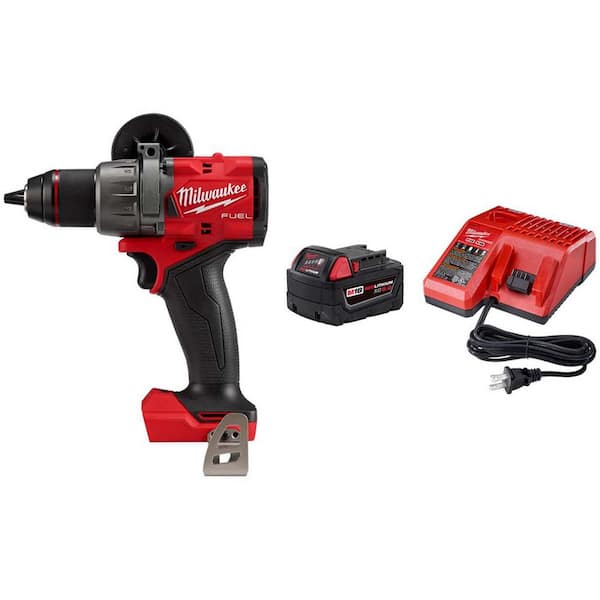
Choose the right drill bit for your hammer drill. Use a socket adapter to fit the bolt head. Set the hammer drill to low torque mode. High torque can damage the bolt or tool. Apply steady pressure without forcing the drill. Use short bursts to avoid overheating. Let the drill do the work, not just your strength.
Safety Precautions
Wear safety glasses to protect your eyes from flying debris. Use gloves to prevent hand injuries. Keep your work area clean and well-lit. Secure the object with a clamp to stop movement. Avoid loose clothing that could catch in the drill. Always unplug the drill when changing bits. Safety prevents accidents and tool damage.
Credit: www.homedepot.com
Maintenance To Prevent Bolt Seizure
Maintaining bolts properly helps stop them from seizing. Seized bolts become hard to remove and can damage tools. Simple maintenance steps extend bolt life and make future work easier. Focus on keeping bolts clean, lubricated, and stored well.
Lubrication Methods
Lubricate bolts before installing them. Use grease or oil designed for metal parts. Apply a thin, even coat on the threads. This reduces friction and prevents rust. Avoid using too much lubricant; it can attract dirt. Reapply lubricant if bolts are exposed to water or harsh conditions.
Storage And Handling Tips
Store bolts in a dry place away from moisture. Use sealed containers or plastic bags to protect from rust. Handle bolts with clean hands or gloves to avoid adding dirt or oils. Keep bolts organized by size and type to avoid mixing. Proper storage reduces corrosion and keeps bolts ready for use.
Frequently Asked Questions
Can A Hammer Drill Loosen Stubborn Screws?
Yes, a hammer drill can loosen stubborn screws by providing extra torque and hammering action. Use the drill in low speed and reverse mode for best results.
Is A Hammer Drill Better Than A Regular Drill?
A hammer drill is better for tough materials like concrete. For loosening screws, it offers more power and impact than a regular drill.
Should I Use Hammer Drill’s Hammer Mode To Loosen Screws?
No, avoid hammer mode when loosening screws. Use the drill in regular rotation mode to prevent damaging the screw head.
Can Hammer Drills Damage Screws When Loosening?
Yes, hammer drills can strip or damage screw heads if used improperly. Always use the correct bit and low speed settings.
Conclusion
A hammer drill can help loosen stubborn screws and bolts. Use the right drill bit and set the hammer mode off. Apply steady pressure and let the drill do the work. Avoid forcing the tool to prevent damage. Sometimes, a bit of oil helps loosen tight parts.
Always wear safety glasses to protect your eyes. With care, a hammer drill makes tough jobs easier. Try these tips next time you face a stuck fastener. Simple tools, smart use, good results.
