


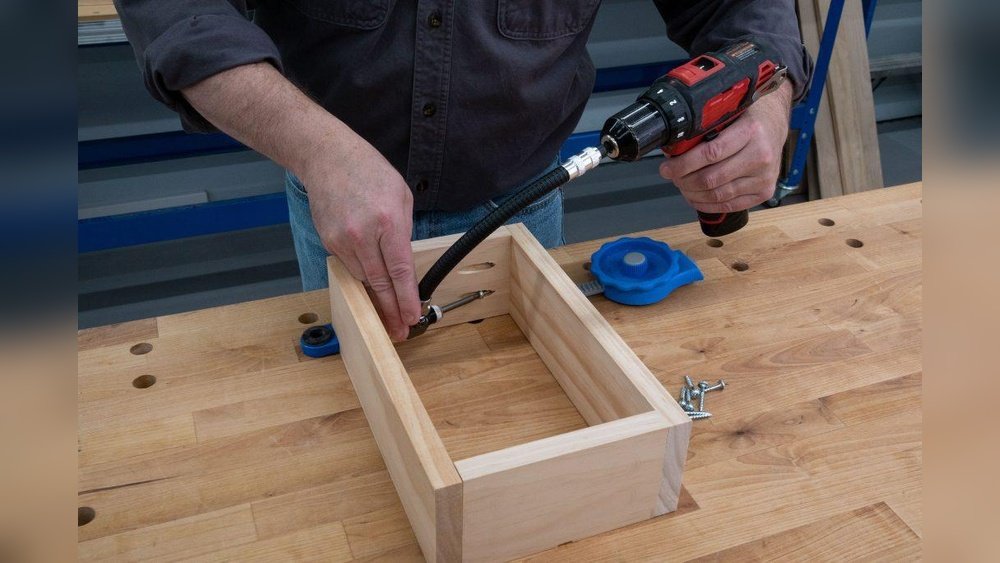
Have you ever faced the frustration of needing to drill a hole but found yourself stuck in a tight, cramped spot? It’s a common problem that can turn a simple task into a real challenge.
But what if you could learn a few easy tricks to make drilling in tight spaces not just possible, but smooth and hassle-free? You’ll discover practical tips and smart tools that will help you handle those hard-to-reach spots like a pro.
Keep reading to unlock the secrets that will save you time, effort, and frustration on your next project.

Credit: www.youtube.com
Challenges Of Drilling In Tight Spaces
Drilling in tight spaces can be tough. Limited room makes it hard to move tools freely. It also reduces visibility, causing difficulty in aligning the drill bit properly. Tight spaces often mean awkward angles, which can affect accuracy and control. Understanding these challenges helps prepare for the job and avoid mistakes.
Common Obstacles
One major obstacle is the lack of space for the drill and your hands. This limits movement and can cause discomfort. Another issue is poor lighting, which makes it hard to see where to drill. Tight spaces may also have obstacles like pipes or wires that get in the way. These obstacles increase the chance of hitting the wrong spot.
Risks And Precautions
Drilling in cramped areas raises safety risks. The drill bit can slip and cause injury or damage to nearby objects. Overheating the drill is possible due to restricted airflow. There is also a risk of damaging hidden wires or pipes. Always wear safety goggles and gloves. Use a smaller drill bit and a right-angle drill for better control. Check the area carefully before drilling to avoid hazards.

Credit: www.martinispa.com
Choosing The Right Tools
Choosing the right tools makes drilling in tight spaces easier and safer. The right equipment fits into small areas without causing damage. It also helps you work faster and with more control. Select tools designed for close quarters to avoid frustration and mistakes.
Compact Drills And Accessories
Compact drills are smaller than regular drills. They fit into narrow spots where big drills cannot reach. Cordless models offer great mobility and less clutter. Look for drills with slim handles and short bodies. Accessories like right-angle attachments also help drill at tight angles. These tools reduce hand strain and improve precision.
Specialized Drill Bits
Specialized drill bits are made for specific tasks and spaces. Shorter bits fit better in cramped areas. Flexible drill bits bend to reach odd angles. Choose bits that match your material type for clean holes. Sharp bits reduce effort and prevent slipping. Using the right bit protects both your project and your tools.
Preparation Techniques
Preparation is key for drilling in tight spaces. Proper techniques reduce mistakes and improve results. Careful planning makes the job easier and safer. Follow these steps to prepare well before drilling.
Marking And Measuring Accurately
Start by marking the exact spot to drill. Use a pencil or marker that shows clearly. Measure twice, drill once. A small error can cause big problems in tight areas. Use a ruler or tape measure for precise marks. Double-check your measurements to avoid mistakes. This helps keep your work neat and correct.
Securing The Workpiece
Hold the workpiece firmly before drilling. Use clamps or a vise to keep it still. Movement can cause the drill to slip or break. Proper securing also protects your hands from injury. Tight spaces can make this tricky, so use smaller clamps if needed. A steady workpiece leads to cleaner and safer drilling.

Credit: renov8or.blogspot.com
Drilling Strategies For Tight Areas
Drilling in tight spaces can feel tricky. Small areas limit your tool’s movement. Careful planning helps you work safely and efficiently. Using the right strategies makes drilling easier and more precise.
Focus on controlling the drill angle and speed. These two factors improve your accuracy. They also reduce the risk of damaging the material or tool.
Angle And Positioning Tips
Hold the drill at a slight angle instead of straight down. This gives better control and avoids slipping. Use a right-angle drill if space is very tight. Place your body to have a clear view of the drill bit. Support the material firmly to stop any movement. Position your hands to keep the drill steady but not too tight. This reduces fatigue and helps guide the drill smoothly.
Slow And Steady Drilling
Start drilling at a low speed to create a small pilot hole. This guides the drill bit and prevents slipping. Increase speed gradually once the hole forms. Apply gentle pressure; forcing the drill can cause mistakes. Pause often to clear dust and check progress. Slow drilling keeps the bit cool and extends its life. Taking your time leads to cleaner, more accurate holes.
Safety Measures
Drilling in a tight space can be tricky and risky. Safety measures protect you from harm and help you work better. Follow these tips to stay safe while drilling in small areas.
Protective Gear
Always wear safety glasses to protect your eyes from dust and debris. Use gloves to avoid cuts and blisters on your hands. Ear protection helps reduce noise damage from the drill. Wear a dust mask if the space is dusty or poorly ventilated. Choose comfortable clothes that fit well and do not get caught in the drill.
Avoiding Common Injuries
Keep a firm grip on the drill to avoid slipping. Check that the drill bit is properly secured before starting. Avoid forcing the drill; let it work at its own speed. Clear the area from obstacles and loose objects that could cause tripping. Always disconnect the drill from power before changing bits or adjusting the tool. Stay alert and take breaks if you feel tired or distracted.
Troubleshooting Common Problems
Drilling in tight spaces can be tricky. Problems may slow down your work or damage your tools. Knowing common issues helps you fix them fast. Here are two frequent problems and how to solve them.
Dealing With Bit Slippage
Bit slippage happens when the drill bit slips out of the screw head or material. This can damage the screw and waste time. To stop slippage, use the correct bit size for the screw. Hold the drill steady and apply firm pressure. Start drilling slowly to keep control. A magnetic bit holder can keep the bit in place. Check the bit for wear and replace if dull.
Handling Overheating
Drill bits get hot when used in tight spaces with little airflow. Overheating can dull the bit and damage the drill. Take breaks to let the drill cool down. Use cutting oil or lubricant to reduce heat. Drill at a slower speed to avoid too much friction. Make sure the drill motor is not overloaded. Keep the vent holes clear for proper cooling.
Maintenance For Precision Tools
Maintenance for precision tools is key to drilling in tight spaces. These tools need care to stay accurate and efficient. Proper upkeep helps avoid mistakes and tool damage. It also extends tool life and saves money over time.
Cleaning And Lubrication
Keep your precision tools clean after each use. Remove dust, dirt, and metal shavings gently with a soft brush or cloth. Avoid harsh chemicals that can damage tool parts. Use light machine oil to lubricate moving parts. This reduces friction and prevents rust. Lubrication keeps tools running smoothly and accurately.
Regular Inspection
Check your tools often for wear and damage. Look for loose screws, worn-out parts, or cracks. Tighten any loose components carefully. Replace damaged parts quickly to maintain precision. Regular inspection catches problems early. It ensures your tools work well in tight spaces every time.
Frequently Asked Questions
How Do I Drill In A Tight Space Safely?
Use a right-angle drill or a flexible drill bit extension. Always secure the workpiece and wear safety goggles. Measure twice to avoid mistakes. Work slowly to maintain control and prevent damage or injury.
What Tools Work Best For Drilling In Tight Spaces?
Right-angle drills, flexible shaft extensions, and compact cordless drills work best. These tools provide better access and control in confined areas, allowing you to drill accurately without straining your hands or workspace.
How Can I Improve Visibility When Drilling Tight Spaces?
Use a flashlight or headlamp to illuminate the area. Clear debris regularly and mark drill points clearly. Good lighting helps prevent mistakes and ensures precise drilling even in cramped or poorly lit spaces.
What Drill Bit Types Suit Tight Spaces?
Use short, stubby drill bits or flexible drill bits. These bits fit better in confined spaces and allow for accurate drilling. Choose the bit material based on the surface, such as carbide for metal or wood bits for timber.
Conclusion
Drilling in tight spaces can feel tricky but is doable. Use the right tools and take your time. Small drills and angled attachments help a lot. Keep steady and measure twice before drilling. Safety matters—wear goggles and check for wires.
Practice makes the process easier and faster. Follow these tips, and tight space drilling won’t stress you. Ready to try it yourself?
