

Are you wondering how much power your drill press really needs to handle your projects? Choosing the right power level can make all the difference between smooth drilling and frustrating stalls.
Whether you’re a hobbyist or a professional, understanding the power behind your drill press helps you work faster and safer. You’ll discover exactly what power ratings mean, how to match them to your tasks, and why picking the right one saves you time and effort.
Keep reading to make sure your drill press is up to the challenge every time.
Drill Press Basics
A drill press is a powerful tool used for precise drilling. It holds the drill steady and allows control over speed and depth. Knowing the basics helps you pick the right drill press for your needs.
Types Of Drill Presses
There are several types of drill presses. A bench drill press is small and fits on a workbench. Floor drill presses are larger and stand on the floor. They offer more power and can handle bigger jobs.
Radial drill presses have an arm that moves the drill head over the workpiece. These are used for very large or heavy materials. Each type suits different projects and spaces.
Key Components
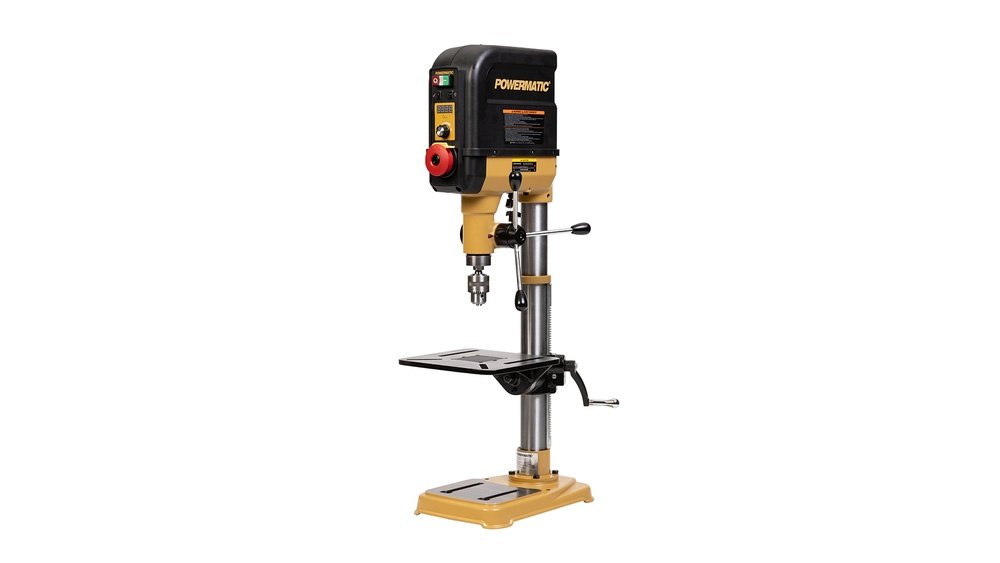
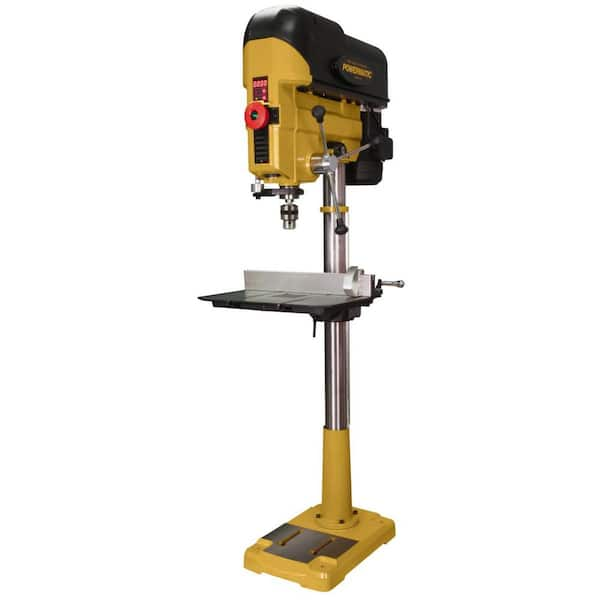
The main parts of a drill press include the base, column, table, and head. The base supports the whole machine. The column is a strong vertical pole that holds the parts together.
The table holds the material being drilled and can move up or down. The head contains the motor and the spindle. The spindle spins the drill bit to make holes.
Credit: www.homedepot.com
Power And Wattage Explained
Understanding the power and wattage of a drill press helps you choose the right tool. Power shows how strong the motor is. Wattage is one way to measure this power. Knowing these details makes a big difference for your work.
Choosing the correct power level depends on the tasks you want to do. Light jobs need less power. Heavy-duty work needs more power to drill through thick materials smoothly.
What Wattage Means
Wattage tells how much energy the drill press uses. It is the power that the motor can produce. Higher wattage means more power in the tool. This helps the drill press work harder without slowing down.
Most drill presses show wattage on their labels. Common wattage ranges from 200 watts to over 1000 watts. Check this number to know how strong the drill press is.
How Wattage Affects Performance
Higher wattage means better performance for tough jobs. It allows the drill press to drill faster and deeper. The motor stays cool and lasts longer during hard work.
Lower wattage is fine for soft materials and small projects. It uses less electricity and costs less. But it may struggle with thick wood or metal.
Match the wattage to your typical projects. This ensures smooth and efficient drilling every time.
Choosing Wattage By Project
Choosing the right wattage for a drill press depends on the type of projects you plan to do. Different tasks need different power levels. Picking the right wattage helps the drill press work smoothly. It also makes your work easier and safer.
Light-duty Tasks
Light-duty projects include small holes in soft materials like wood or plastic. A drill press with 200 to 300 watts usually works well. This wattage saves energy and keeps the tool light. It is perfect for hobbyists and simple home repairs.
Medium-duty Tasks
Medium-duty tasks involve drilling into harder materials like metal or thick wood. A drill press with 400 to 600 watts fits these jobs. This power level gives more strength and speed. It suits small workshops and regular use.
Heavy-duty Tasks
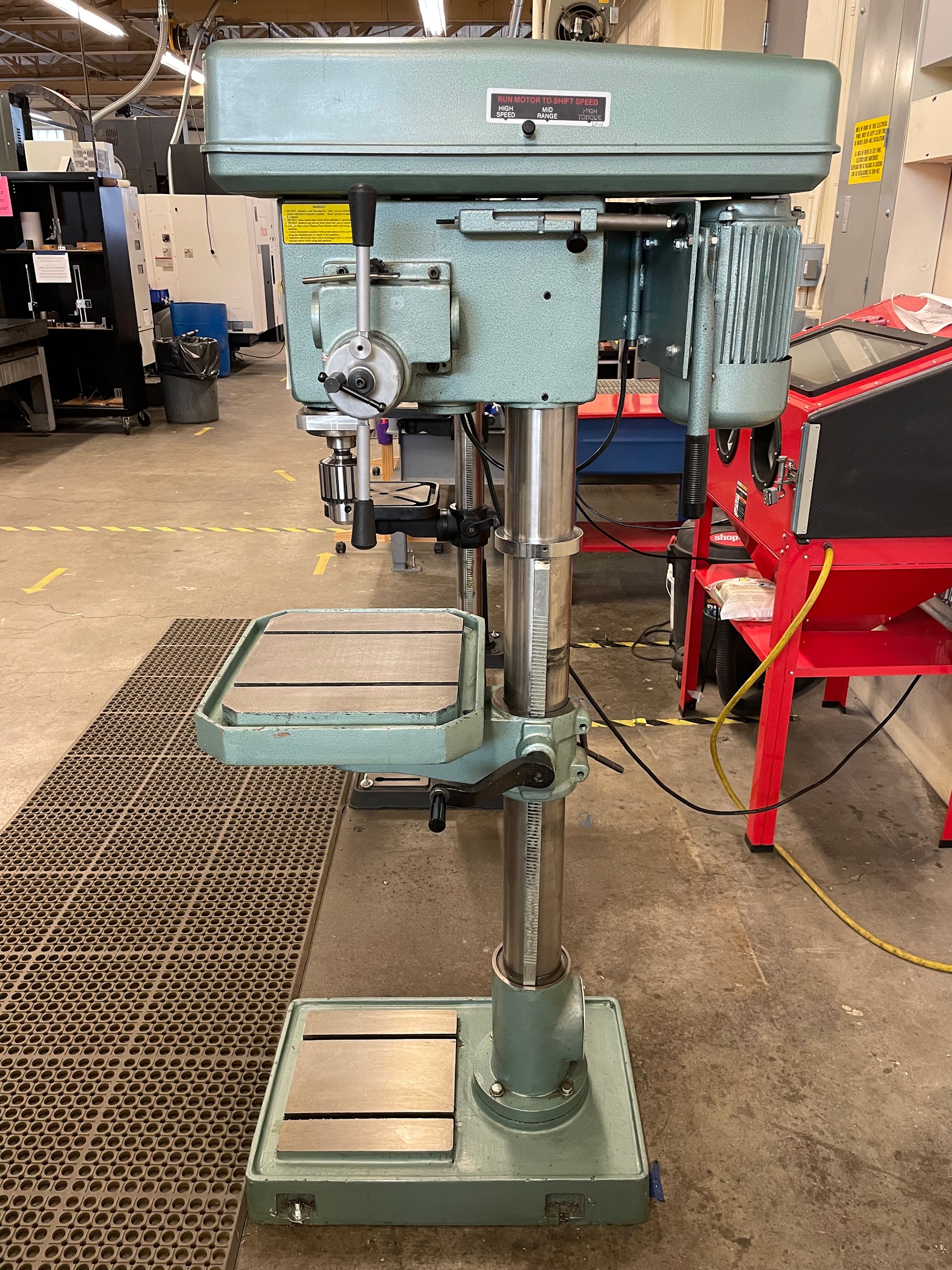
Heavy-duty projects require drilling through tough materials or large pieces. Choose a drill press with 700 watts or more. This wattage handles demanding jobs without slowing down. It is ideal for professional shops and serious craftsmen.
Credit: openwa.pressbooks.pub
Motor Types And Efficiency
Choosing the right motor for a drill press affects its power and efficiency. Different motor types offer unique benefits. Understanding these helps you pick a model that suits your needs. Efficiency also impacts energy use and running costs.
Ac Vs Dc Motors
AC motors run on alternating current, common in homes and workshops. They are durable and require less maintenance. AC motors provide steady power, ideal for heavy drilling tasks.
DC motors use direct current and offer better speed control. They are often found in portable or smaller drill presses. DC motors can start faster and handle variable speeds easily.
AC motors tend to be simpler and last longer. DC motors may have higher efficiency in some tasks but need more care.
Energy Consumption
Energy use depends on motor type and load. AC motors usually consume more power but stay reliable under heavy work. DC motors can save energy with better speed control.
Efficient motors reduce electricity bills and environmental impact. Look for models with good power ratings and low energy waste. Regular maintenance keeps motors running efficiently and lowers consumption.
Speed And Torque Considerations
Speed and torque are key factors for drill press performance. They affect how well the machine cuts through different materials. Choosing the right balance helps you work faster and safer. It also prevents damage to the drill and the workpiece.
Relation To Wattage
Wattage shows the power of a drill press motor. Higher wattage means more torque and better speed control. Low wattage drills may struggle with hard materials or large drill bits. Strong motors keep speed steady, even under heavy load.
More wattage helps maintain consistent torque. This ensures smooth drilling without slowing down. Less power can cause stalling or uneven holes. Choose wattage based on the tasks and materials you work with.
Adjusting Speed Settings
Speed settings let you control how fast the drill spins. Different materials need different speeds for clean holes. Soft wood works well at high speed. Metals require slower speeds to avoid overheating.
Many drill presses offer multiple speed options. Change speeds using pulleys, belts, or electronic controls. Adjust speed to match bit size and material hardness. Proper speed improves accuracy and tool life.
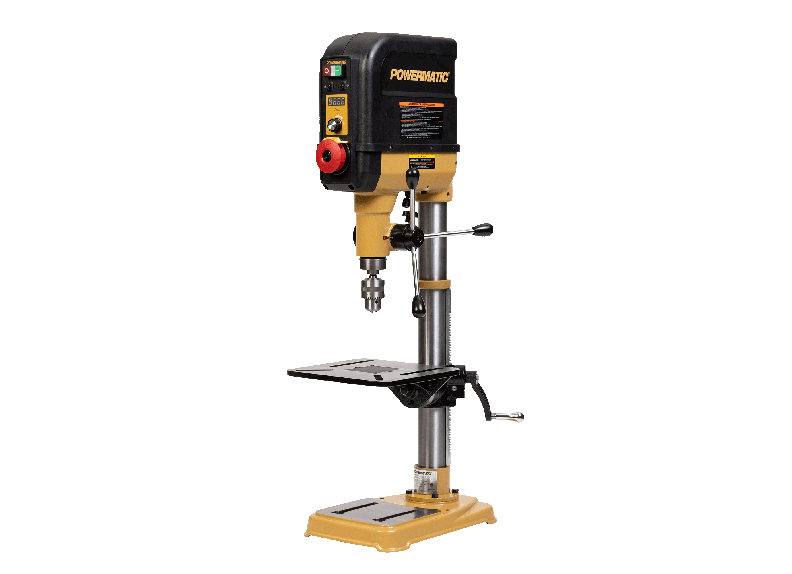
Credit: powermatic.com
Durability And Build Quality
Durability and build quality play a big role in choosing the right drill press. A strong machine lasts longer and works better. Good build quality means the drill press can handle tough jobs without breaking down. It also affects the power the machine needs to run smoothly. Understanding these factors helps pick a drill press that fits your needs and budget.
Materials And Construction
Most drill presses use cast iron or steel for the frame and base. These materials provide stability and reduce vibration. A solid frame keeps the drill steady during use. The spindle and gears also need to be made from strong materials. Quality parts last longer and resist wear. Cheap plastics or thin metals can break easily. Check for heavy, well-made parts in any drill press.
Impact On Power Needs
A heavy, well-built drill press requires more power to run. The motor must be strong enough to move all parts smoothly. If the machine is light or poorly made, it might need less power but will not last. A powerful motor helps the drill cut through hard materials without slowing down. Machines with better build quality often use motors with higher power ratings. This ensures consistent performance and longer life.
Budget And Wattage Balance
Choosing the right drill press means finding a good balance between budget and power. Wattage affects how well the drill press can handle tough materials. Spending too little may limit performance. Spending too much may waste money. Understanding this balance helps pick the best tool for your needs.
Cost Vs Performance
Higher wattage usually costs more. More power means the drill press runs smoother and handles thick materials easily. Lower wattage models save money but may struggle with hard jobs. Think about what projects you will do most. Simple tasks need less power and lower cost. Heavy-duty tasks need higher wattage and higher cost. Choose a drill press that fits your work and budget.
Long-term Value
Investing in a drill press with enough wattage pays off over time. Powerful models last longer and need less repair. Cheaper models may break down or fail during tough jobs. A reliable drill press saves money on maintenance. It also makes work faster and easier. Consider how often and what you will drill. Buy a drill press that offers good value for years.
Safety Tips For Using Drill Presses
Using a drill press requires care and attention. Safety is important to avoid injuries and damage. Follow simple rules to keep safe. Understand how to handle power and maintain your drill press well.
Handling Power Safely
Always wear safety glasses to protect your eyes. Keep your hands away from moving parts. Use clamps to hold your workpiece firmly in place. Never force the drill bit into the material. Start the drill press at a low speed and increase as needed. Turn off the machine before making adjustments. Be alert and focused while operating the drill press. Avoid loose clothing and tie back long hair.
Maintenance Practices
Regularly check the drill press for loose parts and screws. Clean dust and debris after each use. Lubricate moving parts to keep the machine running smoothly. Inspect the power cord for damage or wear. Replace dull or damaged drill bits promptly. Test the emergency stop button to ensure it works. Store the drill press in a dry, safe place. Proper maintenance extends the life of your drill press and keeps it safe to use.
Frequently Asked Questions
What Power Rating Is Ideal For A Drill Press?
A drill press with 3/4 to 1 horsepower suits most home and workshop projects. Higher power handles tougher materials and larger bits efficiently.
How Does Power Affect Drill Press Performance?
Higher power ensures smooth drilling through dense materials and reduces motor strain. It improves speed consistency and drill bit lifespan.
Can Low-power Drill Presses Handle Metal Drilling?
Low-power models can drill thin metals but may struggle with thicker or harder metals. For heavy-duty metalwork, use at least 1 horsepower.
Is Power The Only Factor In Drill Press Quality?
No, speed settings, build quality, and chuck size also impact performance. Power alone doesn’t guarantee precise or durable drilling results.
Conclusion
Choosing the right power for a drill press matters a lot. Too little power can slow your work down. Too much power may waste energy and cost more. Think about the materials you will drill often. Light tasks need less power, heavy jobs need more.
Also, consider how often you use the drill press. A good balance saves time and effort. This guide helps you pick the best power for your needs. Now, you can work smarter and finish projects well.
