


Are you ready to hang shelves, pictures, or a new TV mount but unsure how to drill into a drywall stud safely and effectively? Drilling into drywall without hitting a stud can cause damage and fail to support your items.
But finding and drilling into the right spot doesn’t have to be tricky. In this guide, you’ll discover simple, step-by-step tips that make the whole process easy—even if you’ve never done it before. Keep reading, and you’ll gain the confidence to get your project done right the first time.

Credit: diy.stackexchange.com
Choosing The Right Tools
Choosing the right tools is key for drilling into drywall studs. The right equipment makes your work easier and safer. It helps you drill straight and avoid damaging the wall. You need to pick tools that match the job and your skill level.
Drill Types For Drywall
Cordless drills are popular for drywall tasks. They offer freedom of movement and enough power. A corded drill can work too, with steady power and no battery worries. Choose a drill with adjustable speed to control the drilling process. A lightweight drill helps reduce hand fatigue.
Selecting Drill Bits
Use a drill bit made for wood or drywall. Spade bits or twist bits work well for studs behind drywall. Pick the right size bit for your screws or anchors. Sharp bits reduce effort and prevent tearing the drywall. Keep extra bits handy in case one dulls or breaks.
Additional Helpful Tools
A stud finder helps locate the stud behind the drywall. A level ensures your holes are straight and aligned. Tape measure helps mark the exact spot before drilling. Safety glasses protect your eyes from dust and debris. A pencil or marker is useful for marking drill points clearly.

Credit: www.youtube.com
Locating The Stud
Finding the stud behind drywall is key before drilling. Studs provide strong support for screws and anchors. Without hitting a stud, your items may not hold well. This section explains simple ways to locate studs quickly and mark their positions.
Using A Stud Finder
A stud finder is a small electronic tool. It scans walls and shows where wood or metal studs are. Hold it flat against the wall and move it slowly. The device will beep or light up when a stud is found. This is the fastest and most reliable method.
Make sure to calibrate the stud finder before use. Calibration helps avoid false readings. Some models need to be reset on a blank wall space first.
Alternative Methods To Find Studs
No stud finder? No problem. You can find studs by knocking on the wall. A hollow sound means no stud, a solid sound means a stud. Another way is to look for electrical outlets or light switches. Studs are usually next to these fixtures.
Use a tape measure to check 16 or 24 inches from a corner or door frame. Studs are often spaced at these intervals. Small nail holes or dimples in the wall may also mark stud locations.
Marking Stud Positions
Once you find a stud, mark it clearly with a pencil. Draw a small vertical line at the top and bottom of the wall. This helps keep track of stud locations. Mark every stud you find along the wall for easy reference.
Use a level to connect marks for a straight line. This line shows the stud’s full length behind drywall. Marking well reduces mistakes when drilling and hanging items.
Preparing The Wall
Preparing the wall is the first step to drill into a drywall stud safely and effectively. Taking time to ready the space helps avoid damage and keeps the project smooth. It involves clearing the area, protecting surfaces, and following safety steps.
Clearing The Work Area
Remove furniture and objects near the wall. This gives you space to work without obstacles. Clear the floor to avoid tripping hazards. A clean area makes it easier to move tools around. It also prevents dust and debris from settling on your belongings.
Protecting The Surface
Cover the floor and nearby furniture with a drop cloth or plastic sheet. This stops dust and debris from causing stains or scratches. Use painter’s tape to secure the covers in place. Protecting surfaces keeps your home clean and reduces cleanup time after drilling.
Safety Precautions
Wear safety glasses to protect your eyes from dust and debris. Use a dust mask to avoid breathing in drywall particles. Check your drill and tools for damage before starting. Keep a first aid kit nearby for any minor injuries. Safety helps prevent accidents and keeps the project on track.
Drilling Techniques
Drilling into drywall studs requires careful technique to avoid damage and achieve strong hold. Proper drilling methods make the task easier and safer. Focus on drill speed, angle, and pressure for best results.
Knowing common mistakes helps prevent weak holes and wall damage. Follow these tips to drill cleanly and securely into studs.
Setting The Drill Speed
Use a low to medium speed setting on your drill. High speed can cause the bit to slip or overheat. Start slow to get a steady hole.
Adjust speed depending on the stud type. Wood studs need slower speed than metal ones. Control is more important than speed.
Angle And Pressure Tips
Hold the drill perpendicular to the wall. A 90-degree angle creates a straight hole. Tilting the drill can weaken the hold.
Apply steady, moderate pressure. Too much force can split the drywall or break the bit. Let the drill do the work.
Avoiding Common Mistakes
Do not drill too fast or with too much pressure. This causes messy holes and wall damage.
Check stud location before drilling. Drilling outside the stud leads to weak support. Use a stud finder for accuracy.
Keep drill bit sharp and clean. A dull bit makes drilling harder and less precise.
Handling Different Wall Materials
Handling different wall materials is key to drilling into drywall studs safely and effectively. Walls can vary in thickness, material, and internal layout. Knowing these differences helps avoid damage and ensures a secure hold. This section covers common wall materials and how to work with each.
Drywall Thickness Variations
Drywall comes in several thicknesses. The most common are 1/2 inch and 5/8 inch. Thicker drywall is stronger but harder to drill. Use a sharp drill bit and steady pressure to avoid cracking.
Check the drywall thickness before starting. Thinner drywall may require extra care to avoid breaking. Thicker drywall often covers metal or wooden studs, needing different drill bits.
Dealing With Metal Studs
Metal studs are common in modern homes and offices. They are lightweight and strong but need special drill bits. Use a high-speed steel (HSS) bit for clean holes in metal studs.
Drill slowly to prevent overheating the bit. Use a center punch or a small nail to mark the spot. This keeps the drill bit from slipping on smooth metal surfaces.
Working Around Electrical Wiring
Electrical wiring often runs inside walls near studs. Drilling into wires can cause shocks or damage. Always turn off power at the breaker before drilling.
Use a stud finder with electrical sensors to locate wires. Drill carefully and avoid areas where wires are detected. If unsure, consult a professional electrician.

Credit: www.youtube.com
Finishing Touches
After drilling into a drywall stud, the final steps ensure a clean and secure result. These finishing touches make the installation look neat. They also prepare the space for screws or anchors. Taking time here prevents future problems.
Cleaning Up Debris
Remove dust and small pieces of drywall from the hole. Use a soft brush or a vacuum to clear the area. This helps screws or anchors fit tightly. Clean holes also make your work look professional.
Checking Hole Accuracy
Check if the hole is the right size and depth. It should match the screw or anchor you plan to use. Too big or too small can cause weak support. Use a ruler or tape measure for accuracy.
Preparing For Anchors Or Screws
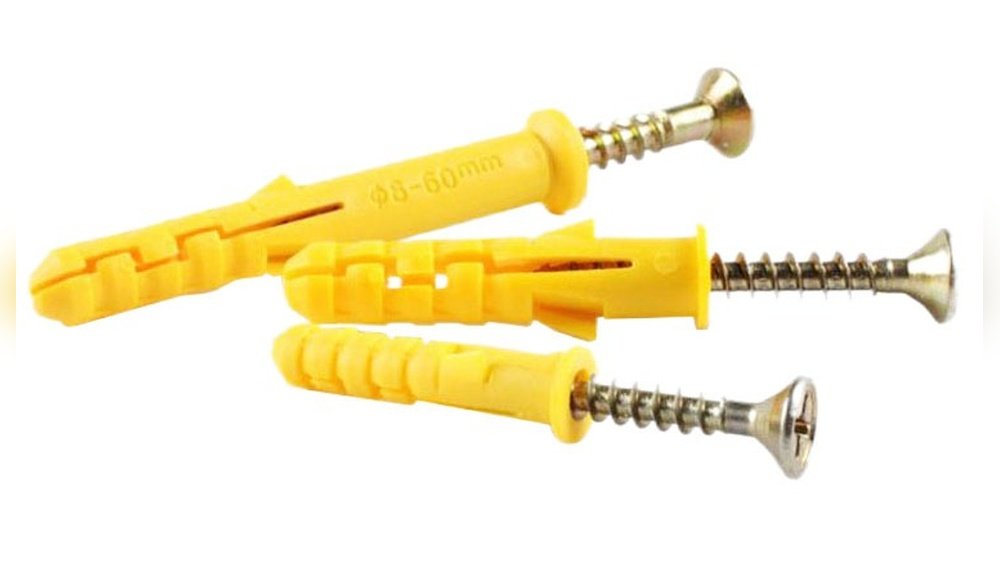
Choose the right anchor or screw for your wall type. Insert anchors gently into the hole. Make sure they sit flush with the wall surface. This step ensures strong holding power for your fixture.
Frequently Asked Questions
How Do I Find A Stud Behind Drywall?
Use a stud finder tool or tap the wall to hear a solid sound. Studs are usually 16 or 24 inches apart.
What Drill Bit Size Is Best For Drywall Studs?
A 1/8-inch or 3/16-inch drill bit is ideal for most drywall studs. It creates a perfect pilot hole for screws.
Can I Drill Into Drywall Without Hitting A Stud?
You can, but the drywall won’t support heavy items. Always try to locate a stud for secure mounting.
How Deep Should I Drill Into A Drywall Stud?
Drill just deep enough to insert the screw, usually 1. 5 to 2 inches. Avoid drilling too deep to prevent damage.
Conclusion
Drilling into a drywall stud is simple with the right steps. Find the stud using a stud finder or by tapping the wall. Use a drill bit suited for wood and drill slowly to avoid damage. Always wear safety glasses to protect your eyes.
Taking your time ensures a strong hold for hanging items. Now, you can hang shelves, pictures, or hooks with confidence. Practice makes perfect, so don’t be afraid to try again. Drywall studs provide the support you need for many projects.
