


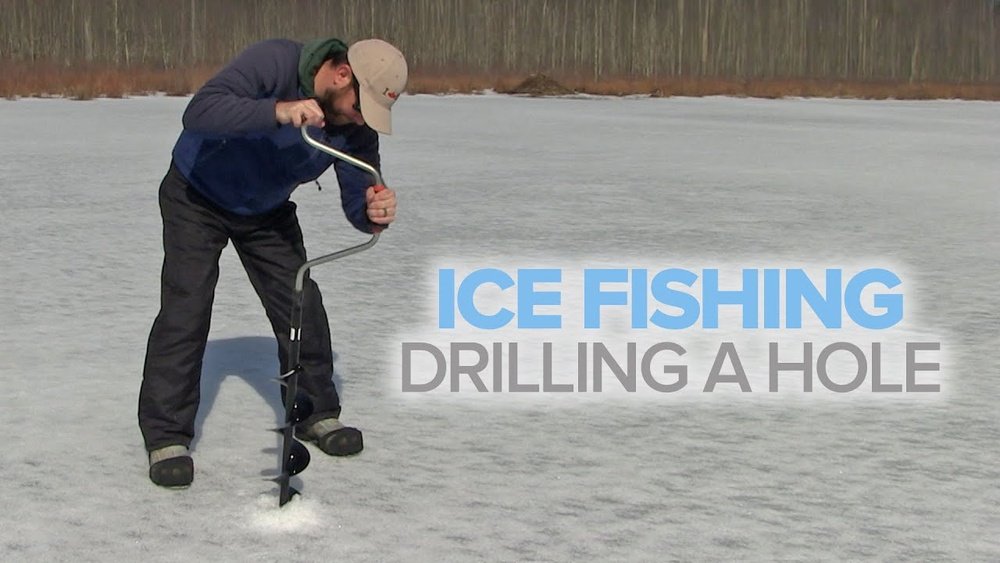
Are you ready to catch more fish this winter? Knowing how to drill an ice fishing hole the right way can make all the difference between a successful day on the ice and a frustrating one.
Whether you’re a beginner or just want to improve your technique, this guide will walk you through simple steps to drill clean, safe holes quickly and efficiently. Keep reading, and you’ll discover tips that save you time, keep you safe, and help you get right to the fun part—catching fish!
Choosing The Right Spot
Choosing the right spot for drilling your ice fishing hole is key to a good catch and safe experience. The location affects your chances of finding fish and staying safe on the ice. Pay close attention to the ice thickness, possible hazards, and signs of fish activity before you start drilling.
Assessing Ice Thickness
Check the ice thickness before drilling. At least 4 inches of clear ice is safe for walking. Thicker ice is needed for heavier gear or vehicles. Use an ice auger or chisel to test the ice in several places. Avoid areas with cracks or slushy ice. Always measure thickness near your chosen spot.
Avoiding Hazards
Look for hazards that can make drilling unsafe. Stay away from ice near inlets, outlets, or moving water. These spots have thinner ice and weak spots. Avoid areas with snowdrifts or ice with a rough texture. Watch for pressure cracks or holes made by animals. Safety must come first before drilling any hole.
Locating Fish Activity
Find areas where fish are likely to swim or feed. Look for underwater structures like rocks, weeds, or drop-offs. Fish like these spots for shelter and food. Check for bubbles or small holes in the ice that show fish movement. Ask local anglers for advice on good fishing spots. Choose a place with signs of active fish for better success.
Credit: freemap.ca
Selecting Your Drill
Choosing the right drill makes ice fishing easier and faster. The drill must cut through thick ice smoothly. It should be comfortable to use and reliable in cold weather. Picking the correct drill depends on your needs and how often you fish.
Manual Vs. Powered Drills
Manual drills are simple and light. They work without batteries or fuel. These drills need physical effort but are quiet and easy to fix. Powered drills use electricity or gas. They drill holes quickly with less effort. Powered drills are heavier but save time and energy.
Blade Types And Sizes
Blades come in different shapes and sizes. The size depends on the hole you want. Bigger holes allow easier fishing but take more effort. Sharp blades cut ice cleanly and fast. Some blades have teeth that break ice better. Always choose blades that fit your drill model.
Maintenance Tips
Keep blades sharp and clean after each use. Dry the drill parts to stop rust and damage. Store the drill in a dry, warm place. Check for loose screws or broken parts often. Proper care extends your drill’s life and performance.
Preparing To Drill
Preparing to drill an ice fishing hole is a key step. It sets the stage for a safe and successful fishing trip. Taking time to prepare helps avoid problems on the ice. A well-prepared spot makes drilling easier and faster. Follow simple steps to get ready before you start drilling.
Safety Gear Essentials
Wear safety gear before stepping on the ice. Ice cleats help you keep balance on slippery surfaces. Carry ice picks to pull yourself out if you fall in. Always wear a life jacket or flotation suit. Dress in warm, layered clothing to prevent cold injuries. Safety gear protects you and makes the trip safer.
Marking Your Hole Location
Choose a spot with thick, clear ice. Avoid areas near cracks, slush, or open water. Use a stick or small flag to mark your hole. Marking helps you find the spot easily later. It also alerts others to avoid the hole. Pick a location that fits your fishing plan.
Clearing Snow And Ice Debris
Clear snow from the drilling spot using a shovel or brush. Remove loose ice chips to get a flat surface. Snow and debris slow down the drill and can cause damage. A clean spot ensures your drill bit works smoothly. This step saves time and effort when drilling.
Credit: www.mossyoak.com
Drilling Techniques
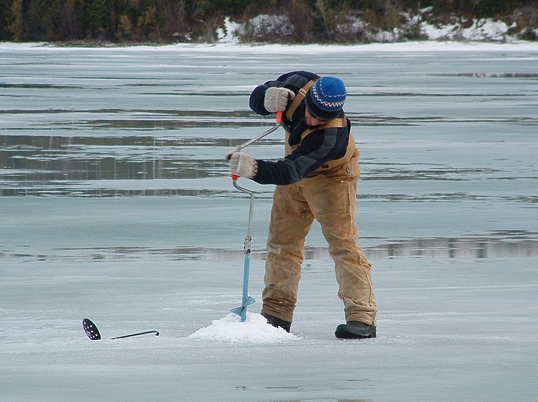
Drilling an ice fishing hole requires skill and the right technique. Good drilling helps you stay safe and catch more fish. Understanding how to position your body, control drill speed, and handle thick ice makes the job easier. These tips will guide you through the process smoothly.
Proper Body Positioning
Stand with your feet shoulder-width apart for balance. Keep your knees slightly bent to absorb the drill’s movement. Hold the drill close to your body to control it better. Lean slightly forward to apply steady force. This stance reduces fatigue and keeps you steady on slippery ice.
Drill Speed And Pressure
Start drilling at a slow, steady speed. Too fast can overheat the drill or cause it to slip. Apply firm but gentle pressure. Let the drill do the work without forcing it. Slow and steady helps cut clean holes and saves your energy.
Handling Tough Ice Layers
Thick ice can slow your progress. Pause often to clear ice shavings from the hole. Use short bursts of drilling to break through dense layers. If the drill stalls, lift slightly and try again. Patience and small adjustments help you get through tough ice safely.
Maintaining Your Hole
Keeping your ice fishing hole clear and open is key to a good fishing day. A well-maintained hole lets you fish longer without trouble. It helps you avoid safety issues and keeps the ice strong around the hole. Simple steps can save time and make your fishing more fun.
Preventing Ice Build-up
Ice can form quickly on the hole’s surface. Use a skimmer or scoop to remove ice often. Clear the hole every 15 to 30 minutes. Pour warm water around the hole’s edge to stop ice from sticking. Avoid using hot water directly; it can crack the ice. Keeping the hole open lets fish come near easily.
Using Hole Covers
Hole covers protect your fishing spot from ice and snow. Choose covers made of plastic or wood. Place the cover on the hole when not fishing. This stops new ice from forming. Covers also keep the hole safe from animals and wind. Use a cover with a handle for quick removal.
Extending Hole Longevity
Keep the hole open longer by clearing ice and using covers. Check the hole’s edge for cracks often. Smooth sharp edges with a scoop to prevent breaks. Avoid walking close to the hole to keep the ice strong. Use insulation mats around the hole for extra protection. These steps help your hole last through your fishing trip.

Credit: www.shoshitamam.com
Tips For Efficient Drilling
Drilling ice fishing holes can be tough without the right approach. Efficient drilling saves time and energy. It lets you focus more on fishing than on breaking ice. Follow these simple tips for smooth drilling and better results.
Drilling Multiple Holes
Plan your holes before you start drilling. Space holes evenly to cover a wider area. Use a tape measure or step count for accuracy. Drill holes in a line or grid to track fish movements. Take breaks between holes to avoid fatigue.
Weather Considerations
Check ice thickness before drilling. Thick ice needs more effort and time. Cold weather can slow your tools and hands. Dress warmly and keep tools dry to prevent freezing. Drill early in the day when the ice is firm.
Tools To Make Drilling Easier
Use a sharp, quality ice auger for faster cutting. Manual augers work well but electric augers save energy. Carry a skimmer to clear slush from holes quickly. A good pair of gloves improves grip and warmth. Keep spare blades handy for quick changes.
Frequently Asked Questions
How Deep Should An Ice Fishing Hole Be Drilled?
Drill the hole at least 8-12 inches through the ice. This depth ensures safety and enough space for fishing. Thicker ice requires longer drills and more effort. Always check ice thickness before drilling for safety.
What Tools Are Best For Drilling Ice Fishing Holes?
Use an auger, either manual or powered, for quick drilling. Augers are efficient and create clean holes. Avoid using makeshift tools as they can be unsafe and ineffective. Choose a drill size based on the fish you target.
How To Prevent Ice Chunks From Blocking The Hole?
Use a skimmer or scoop to remove ice chips regularly. This keeps the hole clear and fishing lines free. Clear water improves fish visibility and bait movement. Regular clearing also prevents refreezing during cold weather.
When Is The Best Time To Drill An Ice Fishing Hole?
Drill holes during daylight for better visibility and safety. Early morning can be ideal as fish are active. Avoid drilling in bad weather or thin ice conditions. Always check local ice reports before heading out.
Conclusion
Drilling an ice fishing hole is easier than you think. Use the right tools and stay safe on the ice. Measure ice thickness before you start. Clear the snow, then begin drilling steadily. Keep your hole clean to fish better.
Practice will help you get faster and more confident. Enjoy the quiet and peace of ice fishing. Take your time and respect nature. This skill opens the door to fun winter days. Ready to try? Your next fishing trip awaits.
