

Are you wondering if your drill press can handle drilling holes in metal? You’re not alone.
Many people hesitate before using a drill press on metal because they’re unsure if it’s the right tool or if it will damage the machine. The good news is, with the right approach, your drill press can be a powerful tool for metalworking.
You’ll discover how to safely and effectively drill holes in metal using your drill press. Keep reading, and you’ll gain the confidence to tackle metal projects like a pro.
Credit: blog.dakecorp.com
Drill Press Basics
A drill press is a powerful tool used for making precise holes in various materials. It offers more control and accuracy than a handheld drill. Understanding the basics helps in using it safely and effectively. This section covers the key parts of a drill press and the common types available.
Key Components
The drill press has several main parts. The base supports the whole machine and keeps it steady. The column is a vertical post that holds the head and table. The table is where you place the material to be drilled. It can move up and down or rotate. The head contains the motor and drill chuck. The chuck holds the drill bit tightly. The feed handles move the drill bit down into the material. Each part works together for precise drilling.
Types Of Drill Presses
There are different types of drill presses for various tasks. A bench drill press is small and fits on a workbench. It is good for light drilling work. A floor drill press is larger and stands on the floor. It handles bigger projects and thicker materials. Radial drill presses have an arm that moves the drill head. This makes it easier to drill large or heavy pieces. Knowing the type helps select the right drill press for your needs.

Credit: www.instructables.com
Metal Drilling Essentials
Drilling metal requires the right tools and knowledge. A drill press can create clean, precise holes in metal. Understanding the basics helps you get the best results.
Metal drilling needs careful choice of materials and drill bits. These choices affect the quality and safety of your work.
Suitable Metals For Drill Press
Soft metals like aluminum and brass drill easily with a drill press. Mild steel is also a common choice. Hard metals like stainless steel need slower speeds and special drill bits. Avoid very thick or hardened metals unless you have the right tools.
Choosing the right metal helps prevent damage to the drill and workpiece. It also makes drilling safer and smoother.
Choosing The Right Drill Bits
Use drill bits designed for metal cutting. High-speed steel (HSS) bits work well for most metals. Cobalt bits are better for hard metals like stainless steel. Carbide bits are the toughest but more expensive.
Sharp bits reduce heat and improve hole quality. Replace dull bits to avoid accidents and poor results. Match the bit size to the hole size you need for best accuracy.
Setting Up For Metal Drilling
Setting up a drill press for metal drilling needs care and attention. Proper setup ensures clean, accurate holes and protects both the tool and the metal piece. Taking time to prepare improves safety and the final result. Follow simple steps for a smooth drilling process.
Clamping And Securing Workpieces
Secure the metal piece firmly before drilling. Use a vise or clamps designed for metalwork. Loose workpieces can spin or shift, causing injury or poor holes. Position the metal flat and stable on the drill press table. Double-check the grip to avoid movement during drilling.
Adjusting Speed And Feed Rates
Set the drill press speed based on metal type and thickness. Harder metals need slower speeds to avoid overheating. Softer metals allow faster speeds for quicker drilling. Feed the drill bit slowly and steadily. Pressing too hard can break the bit or ruin the hole. Match speed and feed for clean, precise holes every time.

Credit: www.familyhandyman.com
Techniques For Clean Holes
Creating clean holes in metal with a drill press requires the right techniques. Proper care helps avoid rough edges and extends the drill bit’s life. Simple steps can make a big difference in the results.
Focus on the drill angle and how to keep the metal cool. These details improve hole quality and make your work easier.
Proper Drilling Angle
Keep the drill bit straight and steady. A 90-degree angle to the metal surface is best. Tilted angles cause uneven holes and bit damage. Use the drill press table to adjust the metal’s position. Clamping the metal tight prevents movement. This control results in smooth, round holes without jagged edges.
Lubrication And Cooling Tips
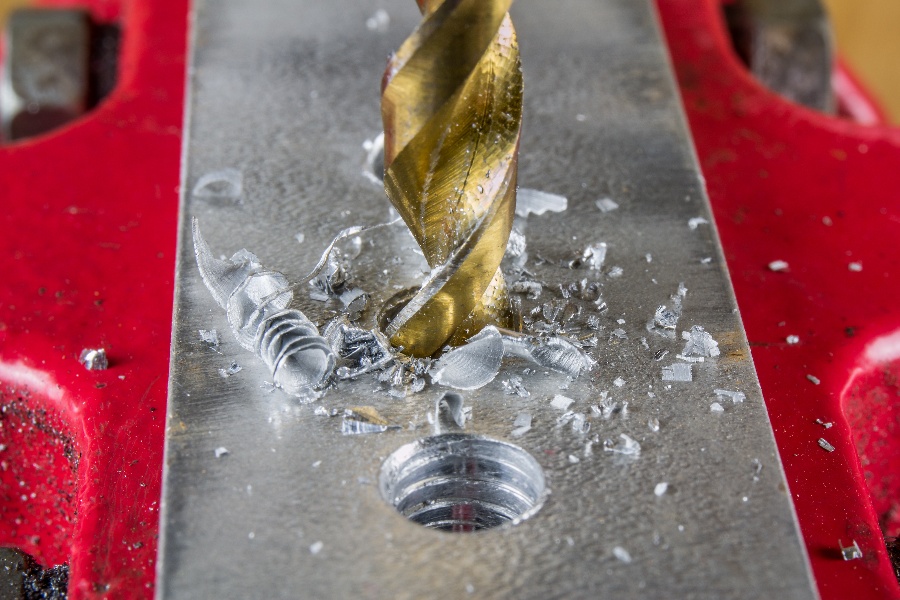
Metal heats up during drilling. Heat can dull the drill bit fast. Use cutting oil or lubricant on the drill bit. It reduces friction and cools the metal. Apply a few drops before and during drilling. Pause occasionally to let the metal cool down. This stops burning and keeps holes clean. Proper cooling also saves your tools and improves safety.
Common Challenges And Fixes
Drilling holes in metal with a drill press is common but not always easy. Many users face problems that slow down their work or damage tools. Knowing these challenges helps avoid mistakes. Simple fixes improve drilling quality and tool life.
Two main issues are bit breakage and metal deformation. Both affect results and can be costly. Understanding how to prevent them saves time and effort.
Avoiding Bit Breakage
Bit breakage happens when too much force presses on the drill bit. Using the wrong bit type or speed causes this problem. Metal drilling needs high-speed steel or carbide bits. Set the drill press to a slow speed. Slow speed stops overheating and wear.
Apply gentle pressure. Let the bit do the work, not your strength. Lubricate the bit with cutting oil. Oil cools the bit and reduces friction. Replace dull bits quickly to avoid extra stress.
Preventing Metal Deformation
Metal can bend or warp during drilling. This happens when the metal is thin or held loosely. Use a clamp or vise to hold the metal tight. Tight holding stops movement and keeps holes straight.
Start drilling with a small pilot hole. A pilot hole guides the larger bit. It reduces pressure and prevents bending. Use slow, steady speed. Fast drilling heats metal and causes warping.
Safety Measures
Drilling metal with a drill press requires careful attention to safety. Metal can be tough and sharp. Small mistakes can cause serious injuries. Following safety measures protects you and your workspace. Always prepare before starting any drilling task.
Protective Gear Recommendations
Wear safety glasses to protect your eyes from metal chips. Use gloves to shield your hands from sharp edges. Choose gloves that allow good grip and control. Hearing protection is important if the drill press is loud. Wear a dust mask to avoid breathing in metal dust.
Safe Drill Press Practices
Secure the metal piece tightly using clamps or a vise. Never hold the metal by hand while drilling. Keep the drill press table clean and free of debris. Use the correct drill bit for metal to avoid breakage. Start drilling at a slow speed, then increase if needed. Turn off the machine before adjusting the workpiece or drill bit.
Maintenance For Optimal Performance
Maintaining your drill press is key to drilling metal effectively. Proper care keeps the machine running smoothly and extends its life. Small habits make a big difference in performance and safety. Regular maintenance prevents problems before they start. Here are simple steps to keep your drill press in top shape.
Bit Sharpening And Replacement
Dull drill bits slow work and cause damage. Sharp bits cut metal cleanly and easily. Check bits often for wear or chips. Use a sharpening tool or replace bits if they are blunt. New bits save time and reduce strain on the drill press. Always select bits made for metal drilling.
Drill Press Care Tips
Keep the drill press clean and free of dust. Wipe the machine after each use to stop rust. Lubricate moving parts regularly to avoid stiffness. Check belts and pulleys for wear and replace if needed. Tighten bolts and screws to keep the machine steady. Test the drill press before starting any project.
Frequently Asked Questions
Can A Drill Press Drill Through Metal Safely?
Yes, a drill press can safely drill through metal with the right drill bits. Use sharp, high-speed steel or cobalt bits. Secure the metal firmly and select appropriate speed settings for clean, precise holes without damaging the material or tool.
What Drill Bit Is Best For Metal Holes?
High-speed steel (HSS) or cobalt drill bits are best for metal. They stay sharp and handle high heat. Using the right bit ensures smooth, accurate holes and prevents bit wear or metal damage, improving drilling efficiency and results.
How To Prevent Metal From Overheating When Drilling?
To prevent metal overheating, use slow drill speeds and apply light pressure. Lubricate the drill bit with cutting oil or coolant. Proper cooling reduces heat buildup, extends drill bit life, and produces cleaner holes without warping or damaging the metal.
Can A Drill Press Drill Different Metal Types?
Yes, a drill press can drill various metals like aluminum, steel, and brass. Adjust speed and feed rate based on metal hardness. Use appropriate drill bits and lubrication for each type to ensure clean, precise holes and avoid tool damage.
Conclusion
A drill press can easily drill holes in metal with the right tools. Using sharp drill bits and proper speed makes the job smooth. Always secure the metal firmly before drilling for safety. Take your time and let the drill do the work.
This method gives precise and clean holes every time. Practice helps improve your skill and confidence. Drilling metal with a drill press is simple and effective. Try it yourself and see the results.
