

Are you wondering if you can use a hammer drill on metal? It’s a common question, especially when you want to save time or avoid switching tools.
Using the right drill for your project can make all the difference between a clean cut and a frustrating mess. You’ll discover the truth about hammer drills and metal, learn the best techniques to protect your tools, and get expert tips to make your work easier and safer.
Keep reading—you’re about to unlock the secret to drilling metal like a pro.

Credit: www.youtube.com
Hammer Drill Basics
A hammer drill is a special tool used to drill into hard materials. It works like a regular drill but with a pounding action. This pounding helps break up tough surfaces like concrete or brick. Understanding how it works and the types available helps choose the right tool for the job.
How Hammer Drills Work
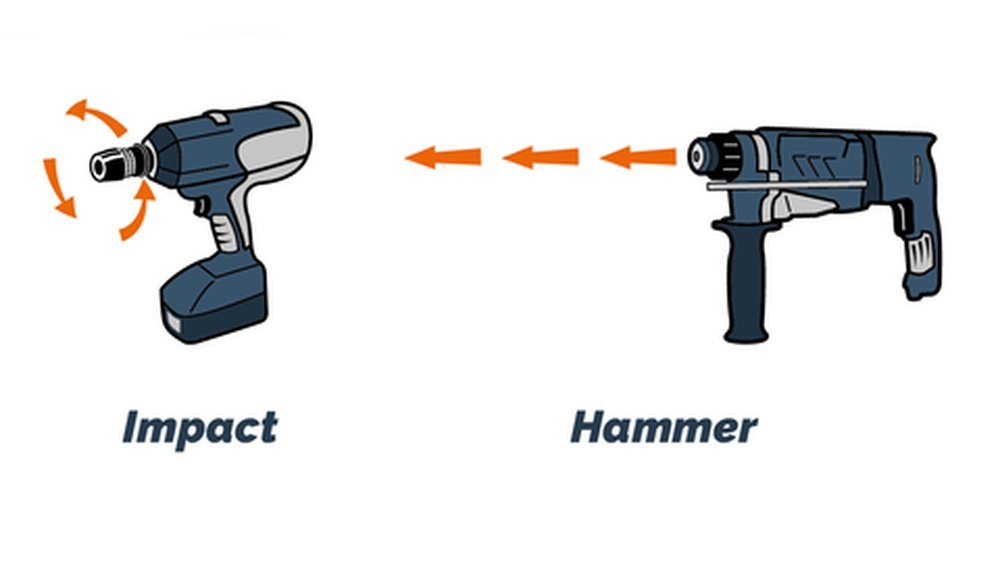
A hammer drill combines rotation with a rapid hammering motion. The drill bit moves forward and backward quickly while spinning. This action chips away at hard materials. It makes drilling faster and easier compared to a normal drill. The hammering stops when you switch to regular drill mode.
Types Of Hammer Drills
There are two main types of hammer drills. The first is the standard hammer drill. It is light and good for small jobs on masonry. The second is the rotary hammer drill. It is heavier and uses a piston for stronger hammering. Rotary hammers are best for heavy-duty work like drilling large holes.
Drilling Metal Challenges
Drilling metal is not as simple as it sounds. It presents unique challenges that affect the drilling process. Metals vary in hardness and thickness. These differences can cause problems like drill slipping, overheating, or damage to the tool. Understanding these challenges helps in choosing the right drill and technique.
Using a hammer drill on metal demands careful attention. The tool and bit must match the metal’s properties. Without this, drilling may become difficult or unsafe. Let’s explore the main challenges faced while drilling metal.
Metal Hardness Factors
Metal hardness affects how easily it can be drilled. Soft metals like aluminum are easier to drill. Hard metals such as stainless steel require more effort and sharper drill bits. The thickness of the metal also plays a big role. Thin sheets may bend or warp if drilled incorrectly. Harder metals need slower drill speeds to avoid damage. Choosing the right drill bit material, like cobalt or carbide, helps in tough metals.
Common Issues When Drilling Metal
Drilling metal can cause many problems. Drill bits may slip on smooth metal surfaces, causing scratches. Overheating is common and can ruin the bit and metal. Metal shavings can clog the drill bit and reduce efficiency. Drilling too fast can break the bit or cause rough holes. Not using cutting oil or lubricant increases heat and wear. Proper technique and tools reduce these issues and improve results.
Using Hammer Drills On Metal
Using a hammer drill on metal can be tricky. These drills are designed mainly for hard materials like concrete. Metal needs a different approach. Knowing when and how to use a hammer drill on metal is important. This helps avoid damage to the tool and workpiece.
Below are key points about using hammer drills on metal safely and effectively.
Suitability Of Hammer Drills For Metal
Hammer drills have a special mode that adds a pounding action. This action breaks up hard materials like brick or concrete. Metal, however, is softer and does not need pounding. Using the hammer mode on metal can cause damage to the drill bit and metal surface.
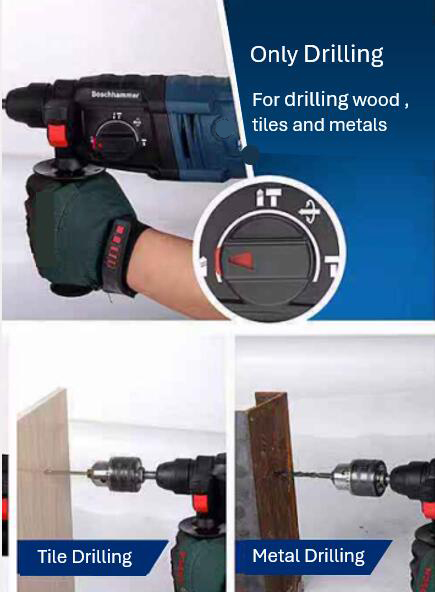
Plain drilling mode works best on metal. Use sharp drill bits designed for metal, such as cobalt or titanium bits. Slow drilling speed and steady pressure improve results. Hammer drills can work on metal if the hammer mode is off.
When To Avoid Hammer Mode
Never use hammer mode on thin metal sheets. The pounding action can bend or crack the metal. Avoid hammer mode on delicate metal parts or finished surfaces. It can cause dents and permanent damage.
Save hammer mode for concrete, stone, or brick only. Using it on metal wastes energy and wears out the drill. Always switch off hammer mode before drilling metal. Check your drill settings carefully before starting any work.

Credit: www.youtube.com
Choosing The Right Drill Bits
Choosing the right drill bits is key when drilling into metal. Using the wrong bit can damage the metal or the drill. It also wastes time and effort. The right drill bit makes the job easier and cleaner. It helps the drill cut through metal smoothly without slipping or breaking.
Best Bits For Metal
High-speed steel (HSS) bits work well on many metals. They hold up under heat and pressure. Cobalt drill bits are stronger and last longer on hard metals. Titanium-coated bits reduce friction and stay sharp longer. Carbide bits are very hard and best for tough metals. Choose the bit based on the metal type and thickness. Sharp, durable bits cut better and last longer.
Maintaining Drill Bit Sharpness
Keep drill bits sharp for cleaner holes and less effort. Use a sharpening stone or a bench grinder carefully. Avoid overheating the bit, which can ruin its hardness. Clean bits after use to remove metal debris. Store bits in a dry place to prevent rust. Dull bits cause slipping and damage metal surfaces.
Step-by-step Drilling Process
Drilling metal with a hammer drill requires care and the right approach. Following a clear step-by-step process helps you get clean, precise holes. This guide breaks down each step to make drilling easier and safer.
Preparing The Metal Surface
Start by cleaning the metal surface. Remove dirt, rust, or paint where you will drill. Use a cloth and some rubbing alcohol for best results. Mark the spot clearly with a center punch. This prevents the drill bit from slipping. Secure the metal firmly using clamps or a vice. A stable surface ensures better control and accuracy.
Correct Drill Settings
Choose a drill bit designed for metal, like a cobalt or titanium bit. Set the hammer drill to low speed without the hammer action. Hammer mode can damage the metal and drill bit. Use steady pressure; do not force the drill. Let the drill bit do the work. Select a speed of about 300 to 500 RPM for most metals.
Drilling Technique Tips
Start drilling at a slow speed and steady angle. Keep the drill perpendicular to the metal surface. Pull the bit out occasionally to clear metal shavings. Use cutting oil to reduce heat and friction. Avoid overheating the drill bit; it can dull quickly. Finish drilling with a steady pace and light pressure. Clean the hole edges with a deburring tool for safety.
Safety Precautions
Using a hammer drill on metal requires careful attention to safety. Metal drilling creates sparks and sharp debris. These can cause injuries or damage. Following safety rules helps prevent accidents and keeps the drill in good shape.
Protective Gear Essentials
Always wear safety goggles to protect your eyes from flying debris. Use gloves to shield your hands from sharp metal edges. Hearing protection reduces noise from the drill. Wear a dust mask to avoid breathing metal dust. Choose sturdy clothing to cover exposed skin.
Handling Sparks And Debris
Sparks can cause burns or start fires. Clear the work area of flammable materials. Work in a well-ventilated space to reduce dust buildup. Use a clamp to hold the metal steady. This keeps your hands safe and controls debris direction.
Preventing Drill Damage
Use the right drill bit designed for metal. Avoid applying too much pressure; let the drill do the work. Keep the drill bit cool by pausing often or using lubricant. Check the drill and bit regularly for wear or damage. Replace worn parts to maintain safe operation.
Alternative Tools For Metal
Using the right tool for metal is important. A hammer drill is great for concrete, but metal needs different tools. Some tools work better, save effort, and last longer. Here are some good alternatives for drilling into metal.
Standard Drill Options
Regular drills can work on metal if used correctly. A cordless or corded drill with variable speed is best. Use low speed to avoid overheating the bit. Sharp drill bits made for metal improve results. Always use cutting oil to keep the bit cool. This method works well for thin to medium metal sheets.
Specialized Metal Drills
Some drills are made specifically for metalwork. These drills have stronger motors and special bits. Examples include drill presses and magnetic drills. They offer better control and precision. They handle thick metal and heavy-duty jobs easily. These tools help create clean, accurate holes with less effort.
Credit: www.dingguantools.com
Frequently Asked Questions
Can You Use A Hammer Drill On Metal Surfaces?
Yes, you can use a hammer drill on metal, but it’s not ideal. Hammer action may damage metal or drill bits. Use a drill without hammer mode for clean, precise holes in metal materials.
What Drill Bit Is Best For Drilling Metal?
High-speed steel (HSS) bits are best for metal drilling. They are durable and cut efficiently. Titanium-coated bits also work well, offering longer life and better heat resistance.
Will Hammer Mode Damage Metal Or Drill Bits?
Hammer mode can damage metal surfaces and dull bits quickly. It causes excessive vibration and heat. For metal, always turn off hammer mode and use steady pressure.
How To Drill Metal Safely With A Hammer Drill?
Turn off hammer function before drilling metal. Use the right drill bit and apply steady, moderate pressure. Lubricate the drill bit with oil to reduce heat and increase bit life.
Conclusion
Using a hammer drill on metal is not the best choice. The hammer action can damage the metal or drill bit. A regular drill or a drill with a metal bit works better. Always choose the right tool for your job.
This helps you finish work faster and safer. Keep your tools in good shape for the best results. Simple steps protect your materials and save time. Remember, the right drill makes all the difference.
