


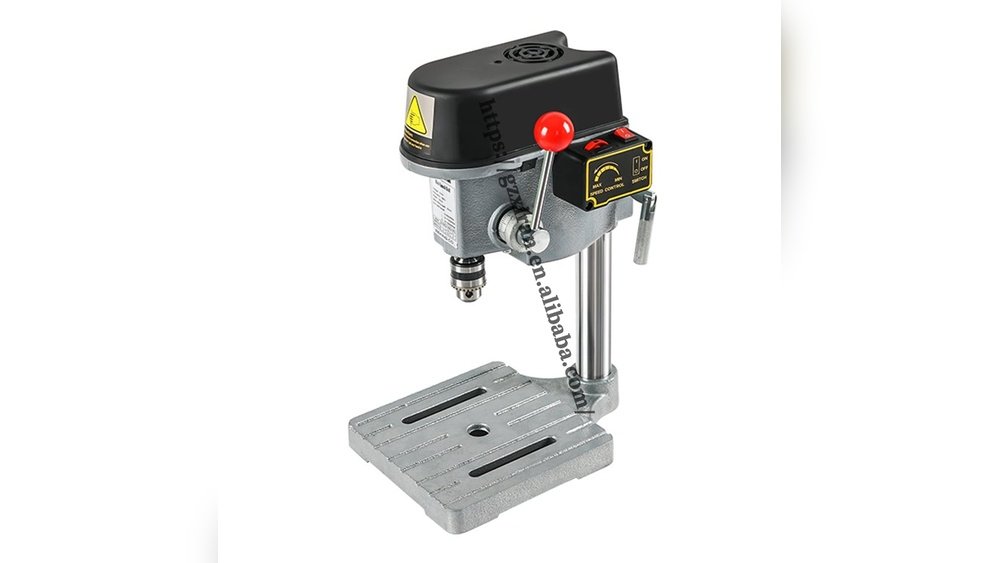
Is your drill press making annoying noises that distract you from your work? A noisy drill press isn’t just irritating—it can also signal problems that might affect your safety and the quality of your projects.
You don’t have to live with that constant racket. You’ll discover simple, step-by-step ways to fix your noisy drill press quickly. By the time you finish reading, you’ll know exactly how to get your machine running smooth and quiet again.
Ready to bring back the calm and focus to your workspace? Let’s dive in.

Credit: www.amazon.in
Common Causes Of Drill Press Noise
A noisy drill press can disrupt work and cause frustration. Understanding the common causes helps fix the problem faster. Noise often signals parts wearing out or needing care. Identifying the source of noise is the first step to quieter operation.
Worn Bearings And Bushings
Bearings and bushings help parts move smoothly. Over time, they wear out and create grinding or squealing sounds. Worn bearings cause the drill press to shake and rattle. Replacing damaged bearings or bushings reduces noise and improves performance.
Loose Or Damaged Belts
Belts transfer power from the motor to the drill. Loose belts slip and make a squeaking noise. Damaged belts may crack or fray, causing uneven movement. Tightening or replacing belts stops the noise and keeps the drill running well.
Misaligned Components
Parts must line up correctly for smooth operation. Misalignment causes rubbing and extra vibration. This creates loud, annoying sounds during use. Adjusting and aligning the drill press parts lowers noise levels effectively.
Lack Of Lubrication
Lubrication reduces friction between moving parts. Without enough oil or grease, parts rub loudly. This leads to overheating and faster wear. Regular lubrication keeps the drill press quiet and extends its life.
Motor Issues
The motor powers the drill press. Problems like worn brushes or a damaged armature cause noise. Motor bearings may also wear out, producing grinding sounds. Fixing motor issues often stops the loud noise completely.
Tools And Materials Needed
Fixing a noisy drill press needs the right tools and materials. These help you work safely and quickly. Having everything ready saves time and makes the job easier.
Below is a list of what you need. Each item plays a role in stopping the noise and keeping your drill press running smooth.
Basic Hand Tools
Start with common hand tools. A set of screwdrivers helps remove covers and panels. Wrenches and pliers loosen nuts and bolts. A small hammer might be needed to tap parts gently. Use a flashlight to see inside dark areas clearly.
Lubricants And Cleaners
Lubricants reduce friction and noise in moving parts. Choose machine oil or grease made for tools. Cleaners remove dust, dirt, and old grease. Use a brush or cloth with a mild cleaner. Avoid harsh chemicals that damage parts.
Replacement Parts
Some parts wear out and cause noise. Belts, bearings, and brushes often need replacement. Check the drill press manual for part numbers. Keep spare parts handy for quick fixes. Using the right parts ensures smooth operation.
Step-by-step Noise Fixes
Fixing a noisy drill press is easier than many think. Follow clear steps to quiet your machine fast. Small fixes often solve noise issues. Each step targets common causes of noise. Work through these fixes carefully for best results.
Tightening Loose Parts
Loose parts often cause rattling noises. Check all bolts, screws, and nuts around the drill press. Use a wrench or screwdriver to tighten anything loose. Pay close attention to the table, head, and motor mounts. Tightening stops vibrations that create noise.
Replacing Worn Belts
Worn belts slip and make squealing sounds. Inspect the belts for cracks, frays, or stretching. Remove old belts and replace them with new ones of the same size. A tight, new belt improves power transfer and reduces noise.
Lubricating Moving Parts
Dry moving parts cause grinding or squeaking sounds. Use machine oil or grease on the spindle, quill, and other moving areas. Apply lubricant sparingly to avoid buildup. Regular lubrication keeps parts running smooth and quiet.
Realigning The Drill Press
Misalignment causes uneven wear and noise. Check if the spindle is straight and the table is level. Adjust the head or table if needed using the alignment screws. Proper alignment ensures smooth operation and lowers noise levels.
Servicing Or Replacing Bearings
Old or damaged bearings produce loud humming or grinding. Listen to the motor and spindle for bearing noise. Remove and inspect bearings for wear or damage. Replace worn bearings with new ones to restore quiet and smooth function.
Maintenance Tips To Prevent Noise
Keeping your drill press quiet starts with good maintenance. Noise often means parts are dirty, dry, or worn out. Regular care stops issues before they begin. Follow these simple tips to keep your machine running smoothly and silently.
Regular Cleaning Schedule
Dirt and dust cause noise and damage. Clean your drill press after every use. Use a soft brush or cloth to remove debris. Pay attention to the spindle and chuck areas. This prevents buildup that makes the machine noisy and less efficient.
Proper Lubrication Practices
Lubricate moving parts to reduce friction and noise. Use the oil or grease recommended by the manufacturer. Apply it to the spindle, gears, and bearings. Avoid over-lubricating, which attracts dirt and causes problems. A well-lubricated drill press runs quietly and lasts longer.
Routine Inspections
Check your drill press regularly for loose or worn parts. Tighten screws and bolts as needed. Look for worn belts, pulleys, or bearings. Replace damaged parts quickly to avoid noise and machine failure. Small problems fixed early save big repair costs later.
Storage Recommendations
Store your drill press in a dry, clean place. Keep it away from moisture to prevent rust. Cover it with a dust cover when not in use. Proper storage keeps parts in good condition and reduces noise caused by corrosion or dirt buildup.
When To Seek Professional Help
Knowing when to seek professional help is key to fixing a noisy drill press safely. Some problems need expert tools and skills. Trying to fix these yourself can cause more damage or risk injury. Watch for signs that your drill press needs a technician’s attention.
Persistent Noise Issues
Noise that does not stop after basic fixes is a warning sign. Continuous grinding, rattling, or squealing may mean internal parts are worn or damaged. Professionals can open the machine and check parts you cannot see. They spot hidden problems and fix them properly.
Electrical Or Motor Problems
Electrical faults or motor trouble need expert care. Sparks, burning smells, or the drill not starting are serious issues. A trained technician can test wiring and motor functions safely. They know how to repair or replace parts without causing harm.
Complex Repairs Beyond Diy
Some repairs are too complex for simple home tools. Issues like bearing replacement, gear alignment, or deep cleaning require special equipment. Professionals have the right tools and experience to handle these tasks. Let them do complex jobs to avoid costly mistakes.

Credit: www.youtube.com

Credit: www.teknatool.com
Frequently Asked Questions
Why Is My Drill Press Making Loud Noises?
Loud noises often indicate worn bearings, loose parts, or lack of lubrication. Regularly check and tighten components. Clean and lubricate moving parts to reduce noise and improve performance.
How Can I Lubricate A Noisy Drill Press?
Use machine oil or grease on bearings, shafts, and gears. Apply lubricant sparingly to avoid excess buildup. Regular lubrication ensures smooth operation and reduces friction-related noise.
Can Belt Tension Cause Drill Press Noise?
Yes, a loose or worn belt can create squealing or rattling sounds. Inspect the belt tension and adjust or replace it if needed to maintain proper operation.
What Maintenance Prevents Drill Press Noise?
Regularly clean debris, lubricate parts, and check for loose bolts. Inspect belts and bearings for wear. Routine maintenance keeps your drill press running quietly and efficiently.
Conclusion
Fixing a noisy drill press is easier than it seems. Regular cleaning and lubrication help a lot. Tightening loose parts keeps noise down. Checking the belt for wear is important. Small fixes save time and money later. A quiet drill press works better and lasts longer.
Keep your tools in good shape. Noise should never stop your work. Try these tips and enjoy smoother drilling.
