

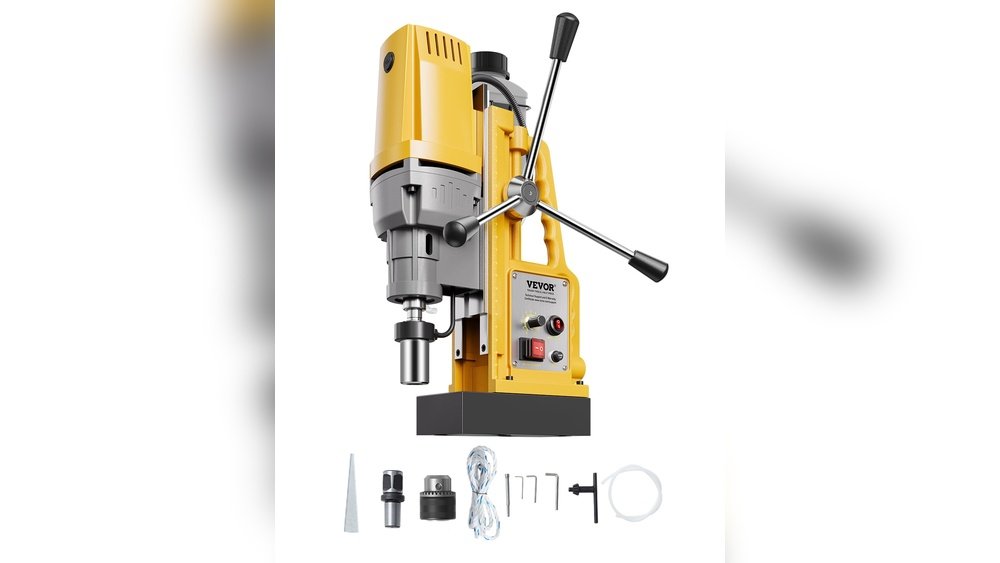
Have you ever struggled to drill precise holes in metal surfaces that just won’t stay still? A magnetic drill press could be the game-changer you need.
But how does this powerful tool actually work to make your job easier and more accurate? You’ll discover the simple yet effective mechanics behind a magnetic drill press. By understanding how it operates, you’ll see why it’s a must-have for anyone working with metal.
Keep reading to unlock the secrets that can improve your drilling skills and save you time on your next project.
Credit: www.powdercoatingonline.com
Magnetic Drill Press Basics
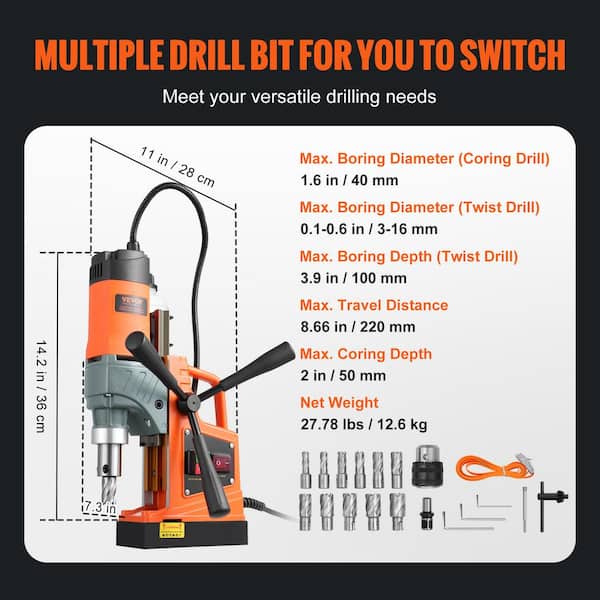
A magnetic drill press is a powerful tool used for drilling holes in metal. It works by attaching itself firmly to a steel surface. This strong hold lets the drill work safely and accurately. Understanding its basic parts helps to see how it functions.
The drill press combines a magnetic base, drill mechanism, and control system. Each part plays a key role in the drilling process. Together, they make metal drilling easier and more stable.
Core Components
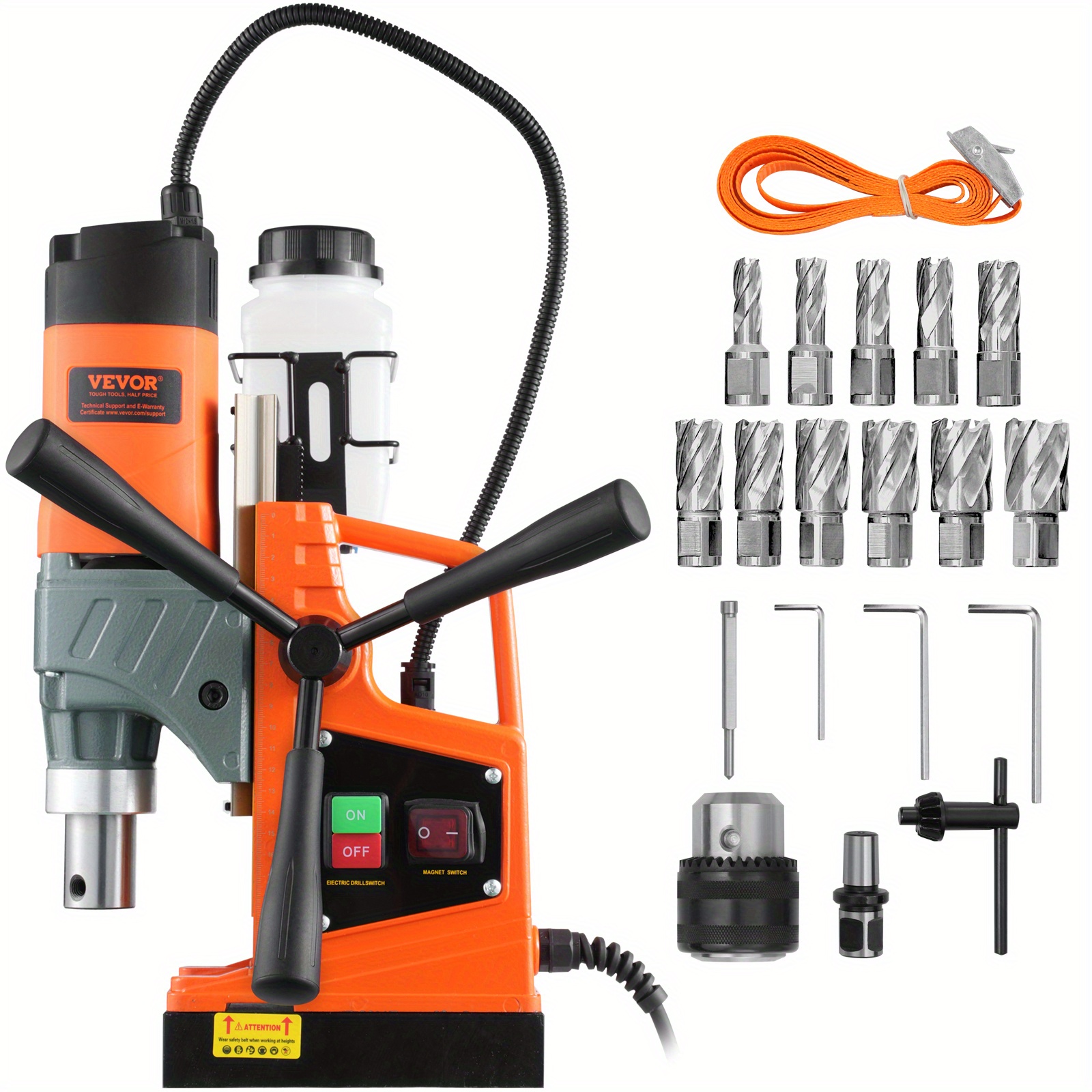
The magnetic drill press has three main parts. First, the magnetic base holds the drill to metal surfaces. Second, the drill motor spins the drill bit. Third, the feed handle controls how deep the bit goes. These components work together smoothly.
Magnetic Base Function
The magnetic base creates a strong grip on metal surfaces. It uses an electric magnet to hold tight. This grip stops the drill from moving during work. This keeps drilling precise and safe. It also allows drilling in vertical or overhead positions.
Drill Mechanism
The drill mechanism turns the drill bit at high speed. A motor powers the rotation. The feed handle moves the drill bit down into the metal. This lets the user control the drilling depth. The drill bit cuts through metal smoothly and quickly.
Magnet Types And Strength
Magnet types and strength play a key role in how a magnetic drill press works. The magnet holds the drill firmly on metal surfaces. This ensures stability and safety during drilling. Different magnets offer different levels of grip power. The right magnet type affects the machine’s performance and usability.
Electromagnetic Vs Permanent Magnets
Electromagnetic magnets use electric current to create a magnetic field. They turn on and off with a switch. This makes them easy to control and safe to use. They provide strong holding force but need power to work.
Permanent magnets have magnetic force all the time. They do not need electricity. These magnets are always “on,” so they work without power. Permanent magnets are lighter and simpler but usually weaker than electromagnetic ones.
Factors Affecting Magnetic Grip
Surface material affects the magnet’s grip. Smooth and clean metal gives the best hold. Rust, dirt, or paint reduce magnetic strength.
Thickness of the metal also matters. Thin metal weakens the magnetic pull. Thick steel provides a stronger hold.
Magnet size and design influence grip strength. Bigger magnets create more force. Shape and arrangement of magnets improve contact with the surface.
Power And Operation
The power and operation of a magnetic drill press play a key role in its efficiency. This tool uses strong magnets to stay fixed on metal surfaces. Its motor drives the drill bit through tough materials. Understanding the motor, speed control, and safety helps in using the tool better.
Motor Specifications
The motor in a magnetic drill press is usually electric. It provides strong torque for heavy drilling tasks. Most motors run on 110V or 220V power supply. The motor speed can vary from 500 to 1500 RPM. A powerful motor ensures smooth and fast cutting. It also helps to reduce wear on the drill bit.
Speed Control Features
Speed control allows adjusting the drill’s rotation speed. Different materials need different speeds for best results. Soft metals require higher speeds, while hard metals need slower speeds. Many magnetic drill presses have variable speed dials or switches. This feature improves precision and extends tool life. It also prevents overheating during long jobs.
Safety Mechanisms
Safety is vital when using a magnetic drill press. Most models include a safety switch to prevent accidental starts. The magnetic base ensures the drill stays firmly attached to metal surfaces. Some drills have overload protection to stop motor damage. Emergency stop buttons allow quick shutdown in case of trouble. These features protect both the user and the machine.
Credit: justiceorelse.com
Setup And Usage Tips
Setting up a magnetic drill press correctly is key for safety and precision. This guide explains simple steps to prepare your workspace and use the drill effectively. Follow these tips to get the best results and avoid common problems.
Preparing The Work Surface
Start by cleaning the metal surface thoroughly. Remove any dirt, rust, or oil. A clean surface helps the magnet stick firmly. Check the surface for flatness. Uneven areas can reduce magnetic strength and cause wobbling. Place the drill on a flat, stable metal base for best hold.
Positioning The Drill
Align the drill bit with the mark on your material. Make sure the drill is straight and steady. Adjust the height and angle as needed. Use the guide or laser pointer if your drill has one. This helps keep the hole precise and prevents slipping.
Securing The Material
Clamp the material securely before drilling. Loose pieces can move and cause injury. Use strong clamps that do not block the drill path. Double-check the material does not shift during drilling. This ensures clean, accurate holes every time.
Maintenance And Troubleshooting
Proper maintenance keeps a magnetic drill press working well. Troubleshooting helps find and fix small problems fast. Regular checks improve safety and extend the tool’s life. This section covers key steps for care and repair.
Cleaning The Magnetic Base
Keep the magnetic base clean for a strong hold. Wipe off dust, dirt, and metal shavings after each use. Use a soft cloth and mild cleaner. Avoid harsh chemicals that can damage the surface. Check the base for rust or scratches. Remove rust gently with fine sandpaper. A clean base ensures better suction and safer drilling.
Checking Electrical Connections
Inspect electrical wires and plugs regularly. Look for frayed cords or loose connections. Damaged wires can cause power loss or shocks. Tighten any loose screws in the plug and switch. Replace damaged cords immediately. Make sure the power source matches the drill’s voltage needs. Safe wiring prevents accidents and keeps the drill running smoothly.
Common Issues And Fixes
The drill may not start due to power problems. Check the switch and fuse first. A weak magnetic base can mean dirt or a worn magnet. Clean or replace parts as needed. Overheating happens if the drill runs too long without breaks. Let it cool down before use again. Strange noises may signal worn gears or loose parts. Tighten screws or get professional help if needed.

Credit: centrerest.com
Applications And Benefits
Magnetic drill presses have many uses across different fields. Their design and power make them suitable for tasks where precision and strong holding power are important. Understanding their applications helps to see why they are preferred for certain jobs.
The benefits of magnetic drills include portability, ease of use, and safety. They improve productivity and deliver clean, accurate holes. These features make them valuable in various industries and projects.
Industries Using Magnetic Drills
Construction sites often use magnetic drills for steel beams and metal frameworks. Shipbuilding needs precise holes on large metal surfaces, making magnetic drills ideal. Metal fabrication shops rely on these drills for quick and accurate drilling.
Maintenance teams in factories use magnetic drills to repair heavy machines. The automotive industry uses them to work on large vehicle parts. These drills also find use in bridge building and heavy equipment manufacturing.
Advantages Over Traditional Drills
Magnetic drills attach firmly to metal surfaces using strong magnets. This prevents the drill from slipping during work. Traditional drills may slide or lose grip on smooth metal.
They offer better accuracy because the base stays fixed. This reduces mistakes and waste of materials. Magnetic drills are portable and easy to move around large projects.
They also reduce worker fatigue by holding themselves in place. Safety improves as the drill does not jump or move unexpectedly. These advantages make magnetic drills a better choice for metal drilling tasks.
Frequently Asked Questions
What Is A Magnetic Drill Press Used For?
A magnetic drill press is used for drilling precise holes in metal surfaces. It uses a powerful magnet to attach securely to the workpiece. This tool is ideal for heavy-duty jobs in construction and manufacturing where stability is crucial.
How Does The Magnetic Base Work On A Drill Press?
The magnetic base creates a strong hold on metal surfaces using electromagnetic power. This prevents movement during drilling. It ensures accuracy and safety by keeping the drill steady on vertical or overhead surfaces.
Can A Magnetic Drill Press Drill Through Thick Metal?
Yes, magnetic drill presses can drill through thick metal. Their powerful motors and strong magnets provide stability and cutting force. The drill’s design allows for clean and precise holes, even in challenging materials.
What Safety Precautions Are Needed For Magnetic Drill Presses?
Always wear protective gear like gloves and goggles. Ensure the magnetic base is firmly attached before drilling. Keep the work area clear and follow manufacturer guidelines to prevent accidents and injuries.
Conclusion
A magnetic drill press uses a strong magnet to hold itself in place. This allows for precise and stable drilling on metal surfaces. Its compact design helps reach tight spaces easily. Users can drill holes quickly and safely with this tool.
Understanding how it works helps you choose the right drill for your needs. Simple steps make it effective and reliable. This tool suits many metalworking tasks. A magnetic drill press saves time and effort during projects.
