


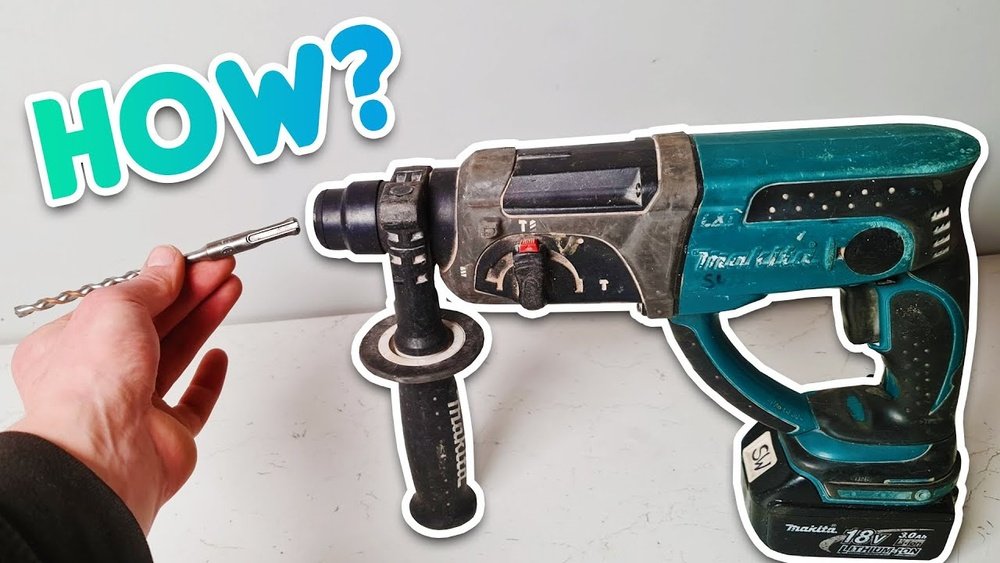
Are you ready to take your drilling tasks to the next level but unsure how to put a bit in your hammer drill? Getting this step right is key to making your tool work efficiently and safely.
Whether you’re a beginner or just need a quick refresher, this guide will walk you through the simple, foolproof way to insert a bit in your hammer drill. Keep reading, and you’ll be confident and ready to tackle any project with ease.
Choosing The Right Bit
Choosing the right bit for your hammer drill is important. The correct bit makes drilling easier and protects your drill. Picking the wrong bit can damage your tool or the material. Understanding the types of bits and their uses helps you work safely and well.
Types Of Drill Bits
There are many types of drill bits. Masonry bits are for concrete, brick, and stone. They have a special tip that breaks hard materials. Wood bits have sharp edges to cut wood cleanly. Metal bits are strong and made to drill metals. Each bit is designed for a specific use.
Matching Bit To Material
Choose a bit that fits the material you drill. Use a masonry bit for hard surfaces like concrete. Use a wood bit for soft materials like wood or plastic. Metal bits work best on steel or aluminum. Using the right bit saves time and prevents damage.
Ensuring Bit Compatibility
Check the bit shank size fits your hammer drill chuck. Most hammer drills use SDS or standard chucks. Using the wrong bit size can cause slipping or damage. Make sure the bit locks firmly in place before drilling. This keeps your work safe and accurate.

Credit: www.youtube.com
Preparing The Hammer Drill
Start by loosening the chuck on the hammer drill. Insert the drill bit firmly into the chuck. Tighten the chuck by hand, then use a wrench if needed for a secure fit.
Safety Precautions
Before working with your hammer drill, safety is key. Wear safety glasses to protect your eyes from dust and debris. Use gloves to keep your hands safe. Keep your workspace clear of obstacles. Make sure others stay away while you work. These steps help prevent accidents and injuries.
Powering Off And Unplugging
Always turn off the hammer drill before changing bits. Unplug the drill from the power source. This stops the drill from accidentally turning on. It also protects you from electric shocks. Double-check that the drill is completely off before proceeding.
Cleaning The Chuck
Clean the chuck before inserting a new bit. Remove dust, dirt, and old grease with a dry cloth. Use a small brush to clear hard-to-reach spots. A clean chuck holds the bit firmly in place. It also helps the drill work smoothly and safely.
Removing The Old Bit
Removing the old bit from your hammer drill is the first step before adding a new one. This process helps keep your drill working well. It also makes changing bits quick and easy. The two main steps are loosening the chuck and taking out the bit.
Loosening The Chuck
The chuck holds the bit tightly in place. To remove the bit, you must loosen the chuck first. Hold the drill firmly with one hand. Use your other hand to twist the chuck counterclockwise. This will open the jaws of the chuck. If the chuck is very tight, try using a cloth for a better grip.
Extracting The Bit
Once the chuck is loose, the bit will move freely. Pull the bit straight out of the chuck. Avoid twisting or bending the bit. Doing so can damage both the bit and the drill. After removing the old bit, inspect it for wear or damage before storing it.

Credit: www.liftingitalia.com
Inserting The New Bit
Inserting a new bit into a hammer drill is a simple task. It helps you switch between different drill jobs quickly. The right bit fits tightly and works safely. Follow the steps below to insert your bit properly.
Aligning The Bit Correctly
First, hold the new bit by its smooth end. Look at the drill chuck, the part that holds the bit. The chuck has jaws that open and close. Open the jaws by turning the chuck collar. Insert the bit straight into the chuck. Make sure the bit is centered and straight. Misaligned bits can slip or break during use.
Securing The Bit In The Chuck
Once the bit is inside, turn the chuck collar the other way. Tighten it firmly. Use your hand or a chuck key if your drill has one. The bit should not move or wiggle. A loose bit can cause damage or accidents. Check the bit by pulling it gently. If it stays in place, you are ready to drill.
Tightening The Chuck
Tightening the chuck is a key step to secure the bit in your hammer drill. A well-tightened chuck holds the bit firmly during work. This prevents slipping and ensures safety. Follow simple steps to tighten the chuck properly.
Manual Chuck Tightening
Most hammer drills have a keyless chuck. You can tighten these by hand. Hold the drill with one hand. Use the other hand to turn the chuck clockwise. Keep turning until the bit feels tight. Do not over-tighten to avoid damage.
Using A Chuck Key
Some hammer drills use a keyed chuck. Insert the chuck key into the hole on the chuck. Turn the key clockwise to tighten. Move the key around the chuck to tighten evenly. Remove the key after tightening to keep it safe.
Checking Bit Stability
After tightening, check if the bit is stable. Try to move the bit by hand. It should not wiggle or slide. If it moves, tighten the chuck more. A stable bit makes drilling easier and safer.
Testing The Setup
Testing the setup of your hammer drill bit is key to safe and effective work. It ensures the bit is secure and the drill runs smoothly. This step helps avoid mistakes and damage during drilling. Follow these simple checks to confirm your setup is ready.
Powering On Safely
First, hold the drill firmly with both hands. Keep the drill away from your body and any objects. Turn on the drill at low speed to see if the bit stays in place. Listen for any unusual sounds. Stop immediately if something feels wrong.
Running A Trial Drill
Choose a scrap piece of wood or soft material. Drill a small hole to test the bit’s performance. Watch the drill’s movement and bit’s stability closely. The drill should run smoothly without wobbling. This step confirms the bit is correctly attached.
Adjusting If Necessary
If the bit wobbles or slips, turn off the drill. Loosen the chuck and tighten the bit again firmly. Check that the bit is straight and centered. Repeat the trial drill until the bit stays stable. Proper adjustment prevents damage and improves accuracy.
Maintenance Tips
Proper maintenance keeps your hammer drill working well. It helps you insert bits easily and makes the drill last longer. Taking simple steps protects your tool from damage. These tips ensure smooth operation every time you use it.
Regular Chuck Cleaning
Clean the chuck often to remove dirt and dust. Use a small brush or cloth to wipe inside. This prevents the chuck from sticking or jamming. A clean chuck holds the bit tightly and works better.
Storing Bits Properly
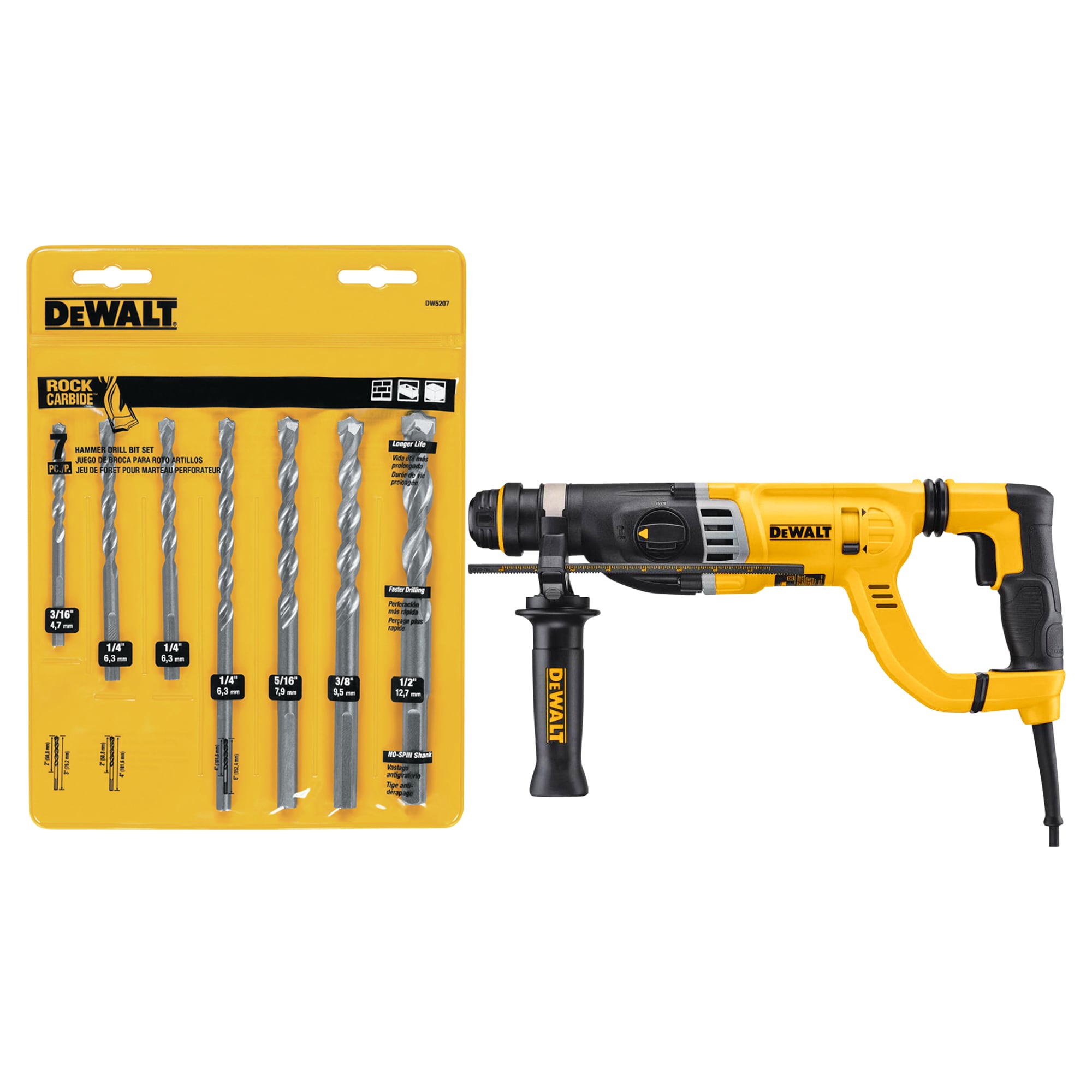
Keep drill bits in a dry place to avoid rust. Store them in a box or case with compartments. Avoid tossing bits loosely in a drawer or toolbox. Organized bits last longer and are easy to find.
Routine Drill Inspection
Check your drill before each use for any damage. Look for cracks, loose parts, or worn-out components. Tighten screws and replace damaged parts promptly. Regular checks stop small problems from becoming big ones.
Credit: www.liftingitalia.com
Frequently Asked Questions
How Do I Insert A Bit Into A Hammer Drill?
First, loosen the chuck by turning it counterclockwise. Insert the bit into the chuck’s jaws. Tighten the chuck clockwise until the bit is secure. Ensure the bit is straight and firmly held before use.
What Type Of Bit Fits A Hammer Drill?
Hammer drills use SDS or standard drill bits. Check your drill’s chuck type to select the correct bit. Using the right bit ensures efficient drilling and prevents damage to the tool.
Can I Use Regular Drill Bits In A Hammer Drill?
Regular bits can fit in some hammer drills with keyless chucks. However, SDS hammer drills require SDS bits for proper function. Using wrong bits may reduce performance and damage the drill.
How Tight Should The Bit Be In The Chuck?
The bit should be tightened firmly to avoid slipping during use. Hand-tighten first, then use the chuck key if available. Avoid over-tightening, which can damage the chuck or bit.
Conclusion
Putting a bit in a hammer drill is easy and quick. First, open the chuck by turning it. Next, insert the bit firmly into the chuck. Then, tighten the chuck to hold the bit in place. Always check the bit before starting your work.
This keeps your drilling safe and accurate. With these simple steps, you can use your hammer drill with confidence. Practice a few times to feel comfortable. Now, you are ready to handle your drilling tasks well. Simple and clear—just how it should be.
