


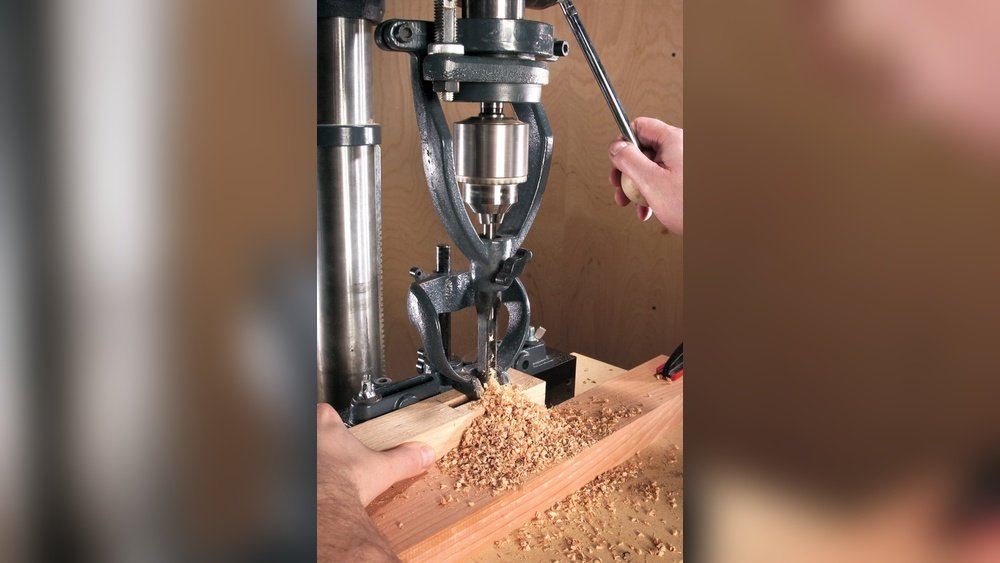
If you’ve ever felt unsure about how to put a drill bit in a drill press, you’re not alone. Getting this step right is key to working safely and efficiently.
Imagine wasting time or damaging your project just because the bit wasn’t installed properly. But don’t worry—this guide will walk you through the process, step by step. By the end, you’ll feel confident and ready to tackle your next drilling task with ease.
Keep reading, and you’ll master this essential skill faster than you think.
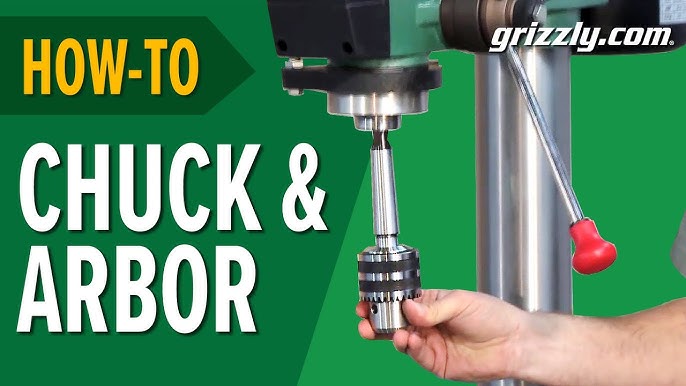
Credit: www.youtube.com
Choosing The Right Drill Bit
Choosing the right drill bit is important for a clean and precise hole. It affects the quality and safety of your work. Different projects need different bits. Picking the correct one saves time and effort. Learn about the types, materials, and sizes to make the best choice.
Types Of Drill Bits
There are many drill bit types. Twist bits are common for wood and metal. Brad point bits work well on wood for clean holes. Masonry bits cut through concrete and stone. Spade bits make large holes in wood. Each type fits specific jobs and materials.
Materials And Sizes
Drill bits come in different materials. High-speed steel bits are good for wood and metal. Carbide bits handle tough materials like tile. Coated bits last longer and reduce heat. Sizes vary from very small to large. Choose a size that matches your hole needs exactly.
Matching Bit To Project
Match the bit to your project material. Use wood bits for soft materials. Metal bits work for steel or aluminum. Masonry bits suit brick or concrete. Size matters for the hole diameter. The right bit makes drilling easier and safer. Always check the bit condition before use.
Preparing The Drill Press
Preparing the drill press is the first step to use it safely and correctly. This ensures the drill bit fits well and the machine works properly. Proper preparation helps avoid accidents and makes your work easier.
Safety Precautions
Always wear safety glasses to protect your eyes from debris. Remove loose clothing and tie back long hair. Keep your hands away from moving parts. Make sure the work area is clean and free of clutter. Check that the drill press is stable and on a flat surface.
Adjusting The Table And Depth
Loosen the table lock to move the table up or down. Set the table height according to the size of your workpiece. Adjust the depth stop to control how deep the drill bit goes. This prevents drilling too deep and damaging the material or bit. Tighten the locks securely once adjusted.
Powering Off The Machine
Before inserting the drill bit, turn off the drill press. Unplug the machine or switch off the power at the source. This prevents accidental starts during setup. Always double-check the power is off before touching the chuck or bit. Safety first for every project.
Removing The Old Drill Bit
Removing the old drill bit is the first step to change it safely. It keeps your work steady and prevents damage to the drill press. Take your time and follow clear steps. This section explains how to remove the drill bit properly.
Loosening The Chuck
Start by turning off the drill press. Make sure it is unplugged for safety. Find the chuck, the part that holds the drill bit. Use the chuck key to turn it counterclockwise. This loosens the grip on the drill bit. Turn until the bit feels loose and can move freely.
Removing The Bit Safely
Hold the drill bit gently but firmly. Pull it straight out from the chuck. Avoid twisting or bending the bit. This prevents damage to both the bit and chuck. Place the old bit in a safe place. Now the drill press is ready for a new bit.

Credit: www.popularwoodworking.com
Inserting The New Drill Bit
Inserting a new drill bit into a drill press is a key step for accurate drilling. It requires care and attention to ensure the bit fits properly and stays secure during use. Proper insertion helps prevent damage to the drill bit and the workpiece. Follow these steps to insert the bit safely and correctly.
Aligning The Bit In The Chuck
Start by opening the chuck jaws wide enough to fit the drill bit. Hold the drill bit straight and place its shank into the center of the chuck. Make sure the bit is straight and not tilted. Proper alignment ensures smooth rotation and precise drilling. Take a moment to check the bit position before tightening.
Securing The Bit Firmly
Turn the chuck key or hand tighten the chuck to grip the bit firmly. The bit should not wiggle or move inside the chuck. Tighten the chuck jaws evenly to hold the bit straight. A loose bit can cause uneven holes and pose safety risks. Check the bit again after tightening to confirm it is secure.
Testing And Adjusting
Testing and adjusting the drill bit in a drill press is key for safe and accurate work. This step ensures the bit is placed correctly and runs smoothly. Small mistakes can cause damage or poor results. Follow these simple steps to check and fine-tune your setup before drilling.
Checking Bit Alignment
Start by inspecting the bit’s position in the chuck. It should sit straight and centered. A misaligned bit can cause wobbling and uneven holes. Rotate the chuck by hand to watch the bit’s movement. Adjust the bit until it spins without shaking or tilting.
Adjusting Speed Settings
Select the right speed for your drill bit and material. Different materials need different speeds to drill cleanly. Use the drill press speed chart as a guide. Set the speed dial or pulley system accordingly. Slower speeds work best for metals, while faster speeds suit wood and plastic.
Running A Test Drill
Place a scrap piece of the same material on the drill table. Lower the bit slowly to touch the surface. Turn on the drill press and make a test hole. Watch for smooth cutting without burning or slipping. Adjust alignment or speed if needed before starting your main project.
Maintenance Tips
Keeping your drill press in good shape is key to safe and accurate work. Regular care helps the machine last longer and perform better. Simple steps can prevent damage and save money on repairs.
Cleaning The Chuck
Remove dust and metal bits from the chuck after each use. Use a small brush or compressed air to clear dirt. Clean chucks hold drill bits tighter and work smoothly. Avoid using water, as it can cause rust.
Lubricating Moving Parts
Apply light machine oil to all moving parts regularly. Focus on the spindle, quill, and gears. Lubrication reduces friction and wear, making the drill press run quietly. Wipe off any excess oil to prevent dust buildup.
Storing Drill Bits Properly
Keep drill bits in a dry, organized case to avoid damage. Store bits by size to find them quickly. Proper storage stops rust and keeps edges sharp. Avoid tossing bits into a toolbox loose.

Credit: www.martinispa.com
Frequently Asked Questions
How Do I Safely Insert A Drill Bit In A Drill Press?
First, unplug the drill press for safety. Loosen the chuck key, insert the drill bit fully, then tighten the chuck firmly. Ensure the bit is centered and secure before powering on the drill press.
What Type Of Drill Bits Fit A Drill Press?
Most drill presses use standard twist drill bits with compatible shank sizes. Common shank sizes include 1/4″, 3/8″, and 1/2″. Always check your drill press chuck size before selecting a drill bit.
How Tight Should The Drill Bit Be In The Chuck?
The drill bit should be tightened firmly but not excessively. Use the chuck key to ensure a snug fit. A loose bit can slip, while over-tightening may damage the chuck or bit.
Can I Use A Drill Press For Different Bit Sizes?
Yes, drill presses accommodate various bit sizes. Adjust the chuck to fit the bit shank. Always ensure the bit is securely tightened before starting your work.
Conclusion
Putting a drill bit in a drill press is simple with the right steps. Tighten the chuck securely to hold the bit in place. Always check the bit for damage before use. Keep your hands clear of moving parts. Follow safety rules to avoid accidents.
Practice these steps to work confidently and safely. Using the drill press correctly helps you get clean, precise holes. Take your time and be careful each time you change bits. This skill makes many projects easier and more accurate.
