


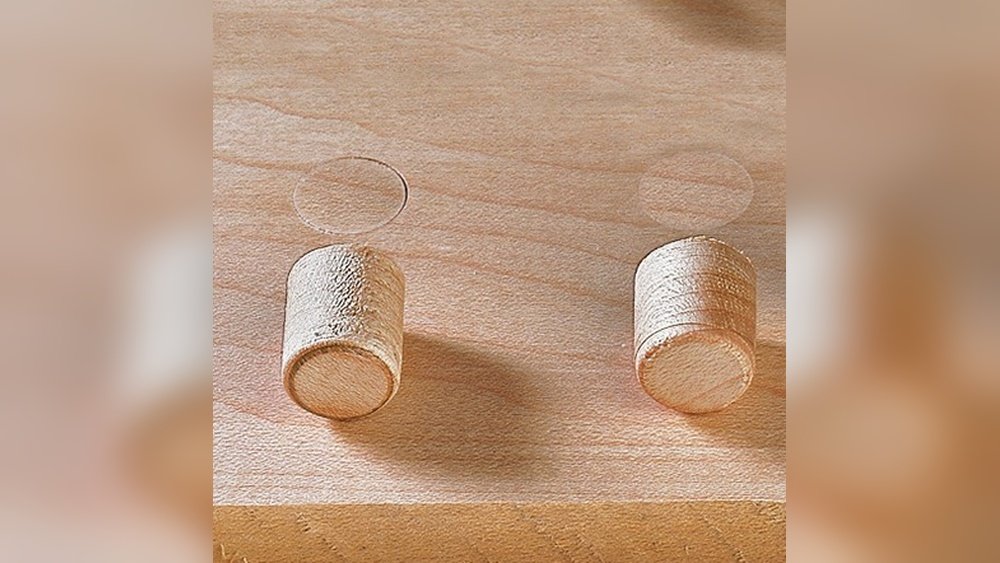
Are you ready to make perfect wooden plugs but don’t have a drill press? You might think a drill press is a must-have, but what if you could get great results without one?
Using a plug cutter without a drill press is easier than you think. In this guide, you’ll discover simple, effective methods that save you time and money. Keep reading, and you’ll learn how to create clean, professional plugs with tools you already have.
Your woodworking projects are about to get a serious upgrade!
Credit: www.amanatool.com
Choosing The Right Plug Cutter
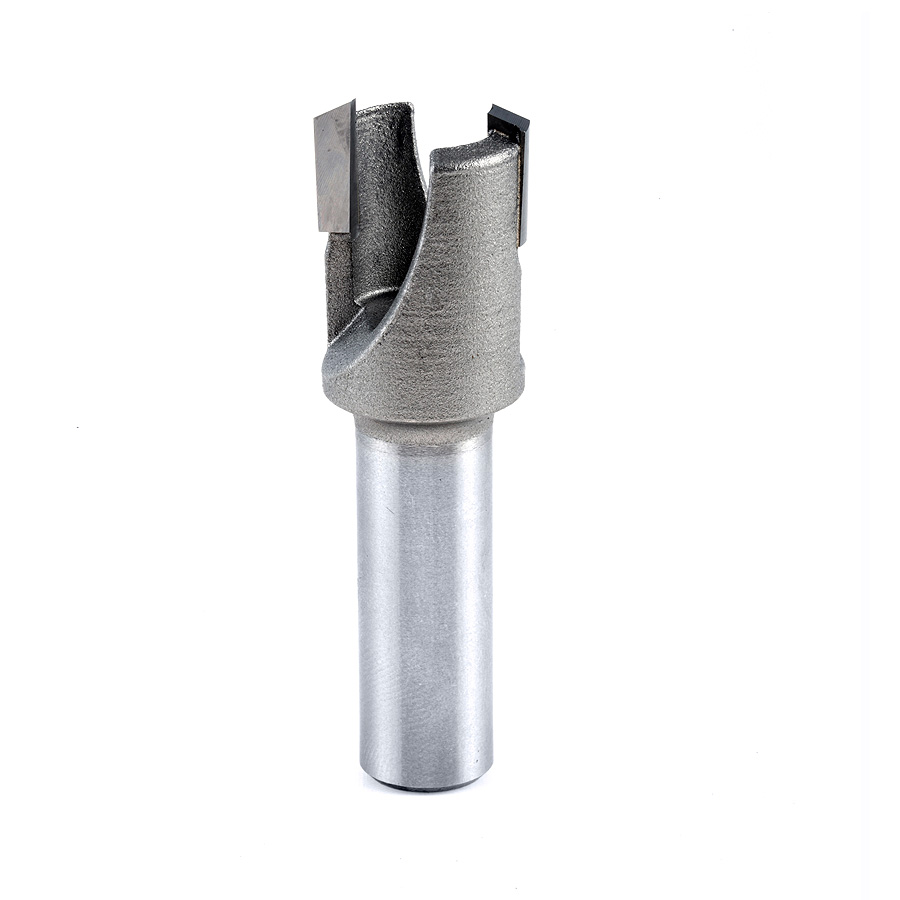
Choosing the right plug cutter is key to making clean and strong wood plugs. The right tool saves time and effort. It helps create plugs that fit perfectly in holes and cover screws well. This section guides you through selecting the best plug cutter for your project without a drill press.
Types Of Plug Cutters
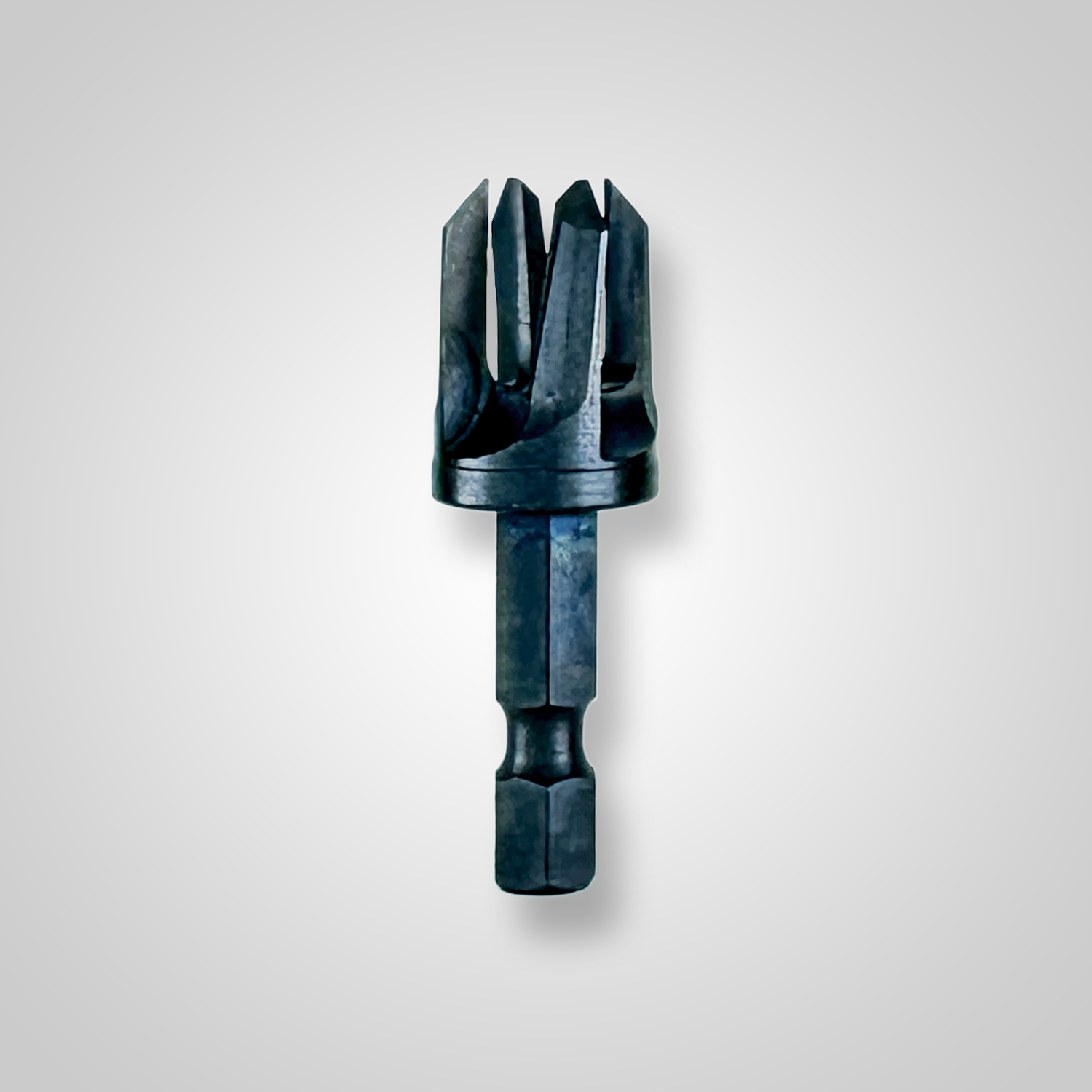
Plug cutters come in various styles for different tasks. Some have straight edges for smooth plugs. Others have tapered edges to make plugs easier to insert. You can find single-flute or multi-flute cutters. Single-flute cutters remove wood more slowly but create cleaner plugs. Multi-flute cutters work faster but may leave rougher edges. Choose the type based on the wood and finish you want.
Material And Size Selection
Plug cutters come in steel, high-speed steel, or carbide. Steel cutters are affordable but wear out faster. High-speed steel lasts longer and stays sharp. Carbide cutters are the most durable but cost more. Pick a material that fits your budget and usage.
Size matters for matching the plug to the hole. Common sizes range from 1/4 inch to 3/4 inch diameter. The plug should be slightly larger than the hole for a tight fit. Measure your hole carefully before choosing the cutter size. Using the right size prevents loose plugs or splits in the wood.
Preparing Your Workspace
Preparing your workspace is the first step to using a plug cutter without a drill press. A clean and organized area helps you work safely and efficiently. Setting up correctly can prevent mistakes and accidents. Take time to arrange your tools and materials before starting.
Essential Tools Needed
Gather all necessary tools before you begin. You will need a plug cutter, a hand drill or brace, clamps, and a sturdy workbench. Sandpaper helps smooth the plugs after cutting. A ruler or measuring tape ensures precise cuts. Having these tools ready saves time and keeps the process smooth.
Safety Precautions
Safety must come first in any woodworking project. Wear safety glasses to protect your eyes from wood chips. Use ear protection if your drill is loud. Keep your hands clear of the cutter to avoid injury. Secure the wood firmly with clamps to prevent slipping. Work in a well-lit area to see clearly. Following these steps keeps you safe and focused.
Methods To Use Plug Cutter Without Drill Press
Using a plug cutter without a drill press is possible with simple tools. These methods help you create clean wood plugs for your projects. Each technique offers a way to control the cutter and get good results without expensive equipment.
Try these easy methods to use a plug cutter without a drill press. They work well for small jobs and save time.
Using A Hand Drill
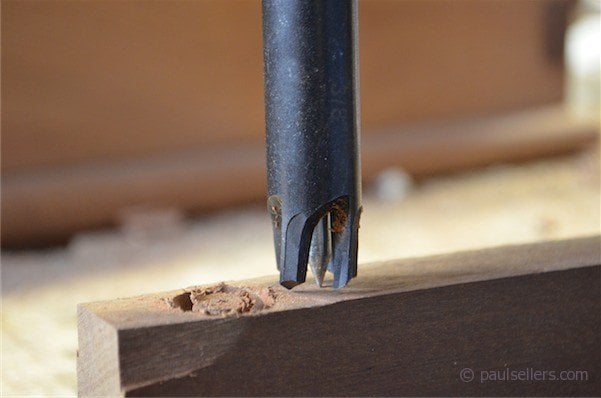
A hand drill is a great tool for cutting plugs without a drill press. Insert the plug cutter bit into the drill’s chuck tightly. Hold the drill steady and apply slow, even pressure. Turn the drill on at low speed. Let the cutter do the work. Stop often to clear wood shavings. This method gives good control and smooth cuts.
Employing A Screwdriver And Clamp
Clamp your workpiece firmly to a stable surface. Insert the plug cutter bit into a large screwdriver handle. Turn the screwdriver slowly by hand. Use steady pressure to push the cutter into the wood. This method works well for small plugs. It requires patience but gives precise results. The clamp keeps everything steady and safe.
Manual Twisting Technique
Hold the plug cutter bit with pliers or a wrench. Place the cutter on the wood surface. Twist the cutter back and forth by hand slowly. Apply light downward pressure. This method needs careful control to avoid slipping. It is best for small or thin wood pieces. Clear wood chips often to keep the cutter sharp.
Credit: centrerest.com
Tips For Clean And Precise Cuts
Using a plug cutter without a drill press can still yield clean, precise cuts. The key lies in the right technique and care. Small changes in how you handle the tool make a big difference in the final result. Below are essential tips to help you achieve smooth, accurate plugs every time.
Maintaining Steady Pressure
Keep constant pressure on the plug cutter. Too much force can damage the wood and tool. Too little pressure makes cutting slow and uneven. Hold the cutter firmly and push down evenly. Keep your hands steady to avoid wobbling. This balance helps produce clean edges on the wood plug. Work slowly to avoid mistakes.
Lubrication For Smooth Cutting
Use a bit of lubrication to reduce friction during cutting. A small amount of oil or wax works well. Apply it lightly on the cutter’s edge before starting. This helps the cutter glide through wood fibers easily. Lubrication prevents burning and rough edges. It also prolongs the life of your plug cutter. Reapply as needed for longer projects.
Finishing And Installing Wood Plugs
Finishing and installing wood plugs is a key step for a clean, professional look. Well-finished plugs blend smoothly with your wood surface. Proper installation ensures they stay in place and last long.
Sanding And Shaping Plugs
Start by sanding the plugs to remove rough edges. Use fine-grit sandpaper for a smooth finish. Shape the plug slightly if needed to fit the hole perfectly. Check the plug fit by placing it gently in the hole. The plug should sit flush with the surface, not sticking out or too deep.
Securing Plugs In Holes
Apply wood glue inside the hole for a strong bond. Insert the plug carefully and press it firmly. Wipe off any excess glue before it dries. Let the glue dry completely for a secure hold. After drying, sand the plug once more for a seamless blend with the wood.
Credit: paulsellers.com
Common Mistakes To Avoid
Using a plug cutter without a drill press can be tricky. Many beginners make simple errors that affect their results. Avoiding common mistakes helps you create clean, precise plugs. Focus on these key areas to improve your technique and ensure safety.
Overcutting Or Undercutting
Cutting too deep or too shallow ruins the plug’s fit. Overcutting makes the plug loose and weak. Undercutting causes the plug to stick or break. Measure carefully before you cut. Use steady, even pressure during the process. Check the depth often to avoid mistakes.
Ignoring Safety Measures
Skipping safety steps can lead to injury. Always wear safety glasses to protect your eyes. Secure your workpiece firmly before cutting. Keep your hands away from the cutter’s path. Use sharp, well-maintained tools to reduce effort. Stop if the cutter feels stuck or unstable.
Frequently Asked Questions
How Can I Use A Plug Cutter Without A Drill Press?
You can use a plug cutter with a handheld drill by securing the wood firmly. Clamp the wood to a stable surface and drill slowly to maintain control and accuracy.
What Tools Are Needed Besides A Plug Cutter?
Besides a plug cutter, you need a handheld drill, clamps, and a stable work surface. These tools help ensure precise cuts without a drill press.
How To Keep Plug Cutter Steady Without A Drill Press?
Clamp the wood securely and hold the drill steady with both hands. Drill at a slow speed to prevent wobbling and ensure clean cuts.
Can I Achieve Accurate Cuts Without A Drill Press?
Yes, accuracy is possible with careful setup. Secure the wood and drill slowly, maintaining control and alignment throughout the cutting process.
Conclusion
Using a plug cutter without a drill press is simple with the right steps. You only need steady hands and some patience. Choose a strong clamp to hold your wood piece safely. Turn the plug cutter carefully by hand or with a screwdriver.
Take your time to avoid mistakes or damage. This method works well for small projects or when no drill press is available. Practice a few times to get comfortable. Soon, you will create smooth, clean plugs easily for your woodworking needs.
