


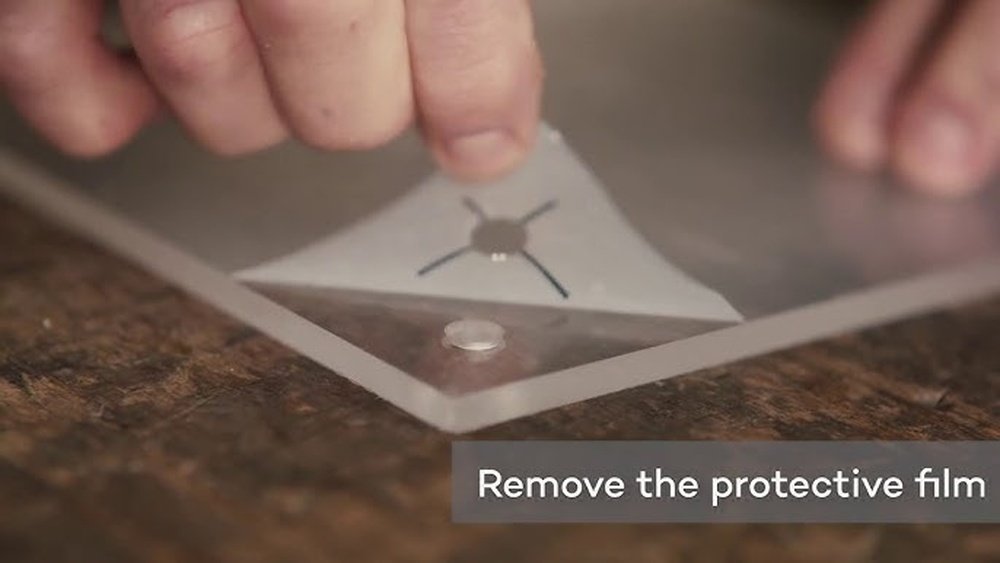
Are you ready to drill a hole in plexiglass but worried about cracking or damaging it? You’re not alone.
Plexiglass is strong yet fragile when handled the wrong way. One wrong move, and you could end up with a shattered piece instead of a clean, smooth hole. But don’t worry—this guide will show you exactly how to drill through plexiglass safely and easily.
By following simple steps, you’ll protect your material and get professional-looking results every time. Keep reading, and you’ll gain the confidence to tackle your project without fear.
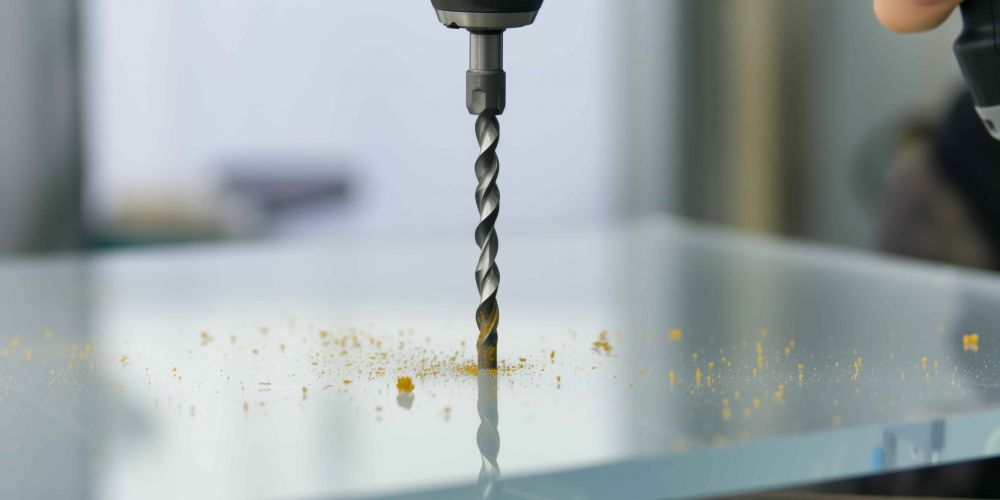
Credit: www.cutmy.co.uk
Choosing The Right Drill Bit
Choosing the right drill bit is very important when drilling plexiglass. The wrong bit can cause cracks or breaks. Plexiglass is softer than metal or wood, so it needs special care. Picking the proper drill bit helps you get clean, smooth holes without damage.
Types Of Drill Bits For Plexiglass
Not all drill bits work well with plexiglass. Standard bits can chip or crack the material. You need bits made for plastic or soft materials. Brad-point bits have a sharp tip that keeps the drill steady. They reduce slipping and produce clean holes. Step drill bits are good for larger holes. They cut slowly and reduce stress on the plexiglass.
Selecting The Best Size
Choosing the right size drill bit is key. A bit too big can crack the plexiglass. A bit too small may not fit your needs. Measure carefully before picking a bit. Start with a smaller hole and widen it if needed. This helps prevent stress on the material.
Preparing The Plexiglass Surface
Preparing the plexiglass surface is a vital step before drilling. It helps prevent cracks and breaks. Taking time to clean and secure the sheet ensures a smooth drilling process. Marking the drill spot carefully guides your drill and reduces errors.
Cleaning And Securing The Sheet
Start by wiping the plexiglass with a soft cloth. Use mild soap and water to remove dust and grease. Dirt can cause the drill to slip or scratch the surface. Dry the sheet completely before drilling.
Place the plexiglass on a flat, stable surface. Use clamps to hold it firmly in place. This prevents the sheet from moving during drilling. Avoid overtightening the clamps to stop cracking.
Marking The Drill Spot
Use a fine-tip marker or pencil to mark the drilling point. Make a small dot, not a large circle. Large marks can cause the drill to wander.
Place a piece of masking tape over the mark. This helps protect the surface and keeps the drill bit from slipping. Double-check the position before drilling to avoid mistakes.
Setting Up The Drill
Setting up the drill properly is key to drilling plexiglass without cracking it. Plexiglass is a soft material that can break under pressure or heat. Taking time to prepare your drill helps keep the work smooth and safe. Follow simple steps to adjust your drill settings and use helpful tools. This care prevents damage and gives clean, precise holes.
Adjusting Drill Speed
Choose a low drill speed to avoid melting plexiglass. High speed creates heat that can cause cracks. Slow drilling lets the bit cut gently through the material. Start with the lowest setting on your drill. Increase speed only if the drill moves easily without stress.
Using A Drill Guide Or Jig
A drill guide or jig keeps your drill steady and straight. This tool stops the bit from slipping on smooth plexiglass surfaces. Secure the plexiglass firmly before drilling. Place the guide exactly where you want the hole. This setup ensures a clean, accurate cut every time.

Credit: www.wikihow.com
Drilling Techniques
Drilling a hole in plexiglass needs careful technique to avoid cracks. The right methods keep the material safe and smooth. Use steady hands and proper tools. These steps make the process easier and prevent damage.
Applying Steady Pressure
Press the drill gently on the plexiglass. Too much force causes cracks or breaks. Let the drill do the work. Keep your hand steady and slow. This control helps create a clean hole without damage.
Drilling From Both Sides
Start drilling halfway through from one side. Stop before breaking through. Then drill from the other side to meet the first hole. This method stops splintering on the back side. It gives a smooth, neat finish.
Cooling Methods To Prevent Cracks
Heat builds up while drilling and can crack plexiglass. Cool the area with water or a damp cloth. Stop drilling often to let the material cool down. Cooling keeps plexiglass strong and avoids melting.
Post-drilling Care
After drilling a hole in plexiglass, care is important to keep the material strong and neat. The hole edges may have rough spots or small plastic bits. These need careful attention to avoid cracks or damage later. Proper cleaning also helps the hole stay clear and ready for use.
Removing Burrs And Rough Edges
Check the hole edges closely for burrs or sharp bits. Use a fine file or sandpaper to smooth these areas gently. Move in one direction to avoid scratches. Take your time. Smooth edges prevent cracks and make the hole safer to handle.
Cleaning The Hole
After smoothing, clean the hole to remove dust and plastic scraps. Use a soft cloth or compressed air. Avoid harsh chemicals that might damage plexiglass. Clean holes ensure better fitting for screws or bolts. They also keep the material clear and neat.

Credit: www.youtube.com
Common Mistakes To Avoid
Drilling a hole in plexiglass can be tricky. Many people break the material by making simple mistakes. Avoiding these common errors will help you get a clean hole without cracks. Pay attention to the tools and techniques you use. Small changes make a big difference in your results.
Using The Wrong Drill Bit
Not all drill bits work well on plexiglass. Standard bits may cause cracks or chips. Use a drill bit designed for plastic or a sharp, fine-point bit. This reduces stress on the plexiglass and prevents damage.
Drilling Too Fast
High speed drills create heat. This heat melts or warps plexiglass. Always drill slowly and steadily. Low speed keeps the material cool and safe.
Skipping The Support Underneath
Plexiglass bends easily. Without support, the drill can push it down and crack it. Place a solid board under the plexiglass before drilling. This support stops bending and protects the sheet.
Not Using Tape On The Surface
Drilling directly on plexiglass can cause cracks. Cover the drill spot with masking tape. Tape holds the surface together and reduces cracking.
Applying Too Much Pressure
Pressing hard can break the plexiglass. Let the drill bit do the work. Use gentle pressure to avoid stress and damage.
Alternative Methods For Making Holes
Drilling holes in plexiglass can be tricky. The material can crack or chip easily. Using the right tools and methods helps avoid damage. Besides traditional drilling, some alternative methods work well. These methods offer clean, precise holes without stress on the plexiglass.
Using A Hole Saw
A hole saw is a circular blade attached to a drill. It cuts larger holes with smooth edges. Choose a hole saw with fine teeth for plexiglass. Drill slowly and keep the plexiglass steady. Use masking tape over the cutting area for extra support. This method reduces cracking and gives a neat finish.
Laser Cutting Options
Laser cutting uses a focused beam of light to cut materials. It creates precise holes without physical pressure. This method works best for thin or medium thickness plexiglass. Laser cutting leaves smooth edges, needing little or no sanding. Many shops offer laser cutting services at low cost. It’s a safe, fast option for detailed or delicate projects.
Frequently Asked Questions
How Do I Prevent Cracking When Drilling Plexiglass?
Use a sharp drill bit designed for plastics and drill slowly. Apply gentle pressure and support the plexiglass firmly. Cooling the area with water or tape can also reduce cracking risks.
What Drill Bit Is Best For Plexiglass?
A step drill bit or a brad point bit is best. These bits reduce heat and prevent melting or cracking. Avoid using standard wood or metal bits.
Should I Drill Plexiglass With Or Without Lubrication?
Lubrication is recommended. Use water or soapy water to cool the drill bit and plexiglass. This prevents overheating, melting, and cracking during drilling.
How To Avoid Plexiglass Melting While Drilling?
Drill at a slow speed and use sharp bits. Keep the plexiglass cool by applying water or lubricant. Avoid excessive pressure which generates heat and causes melting.
Conclusion
Drilling a hole in plexiglass needs care and the right tools. Use a sharp drill bit and low speed to avoid cracks. Support the plexiglass firmly before you start. Take your time and do not rush the process. Small steps lead to a clean, smooth hole without damage.
With patience, you can do this task easily and safely. Keep these tips in mind for your next plexiglass project. Simple tricks make a big difference.
