


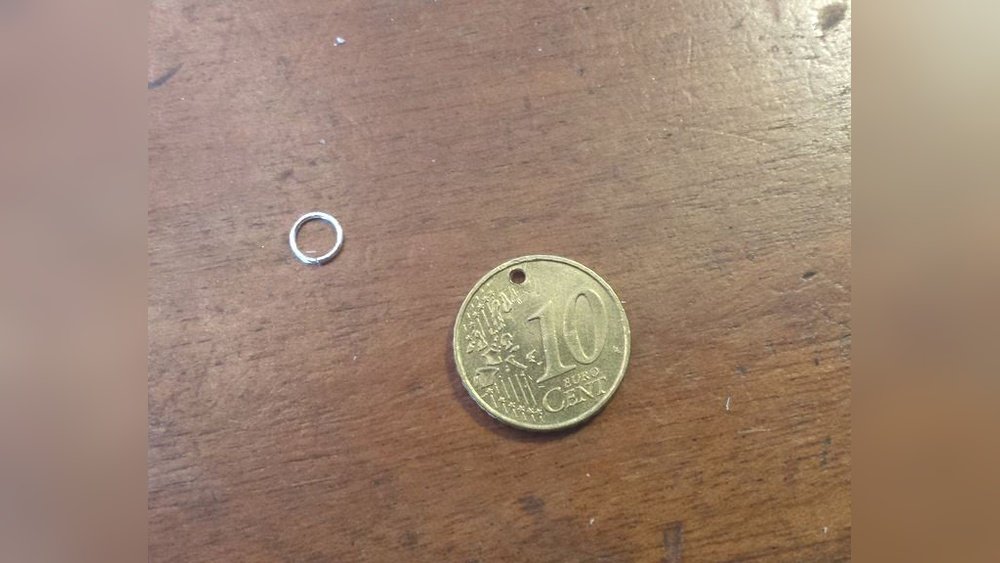
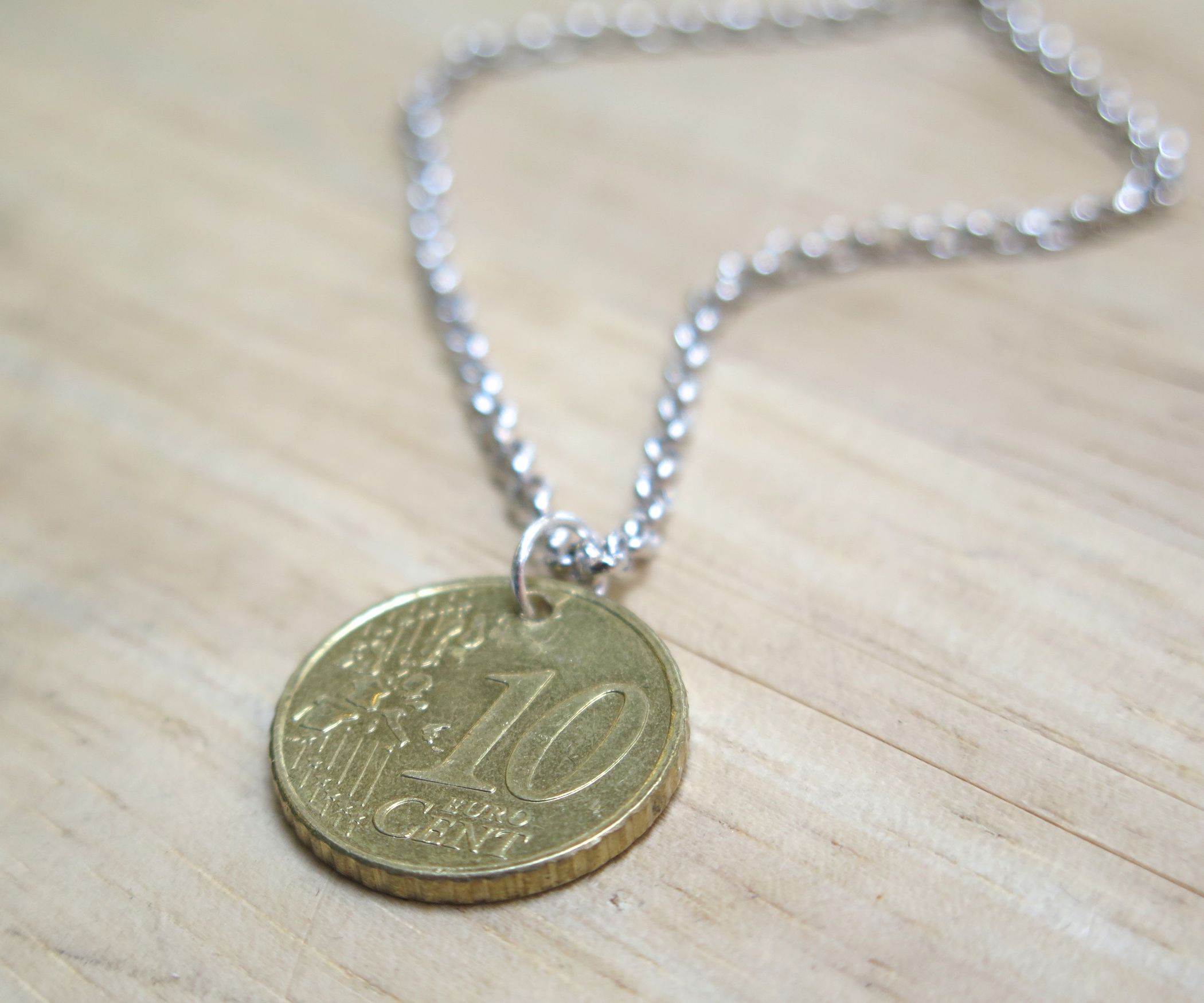
Have you ever wanted to turn a coin into a unique piece of jewelry or a cool keychain? Drilling a small hole in a coin might sound tricky, but with the right steps, you can do it yourself safely and easily.
In this guide, you’ll learn exactly how to drill that tiny hole without damaging your coin. Keep reading, and you’ll be surprised at how simple it is to transform your coin into something truly special.
Choosing The Right Tools
Choosing the right tools is key to drilling a small hole in a coin safely and neatly. Using proper equipment helps avoid damage to the coin and keeps you safe. It also makes the task easier and faster. Understanding what tools to use sets a good foundation for your project.
Selecting The Drill Bit Size
Pick a drill bit that matches the hole size you want. Small holes need small drill bits, usually 1 to 3 millimeters. A bit too large will ruin the coin. A bit too small might break or not work well. Use a sharp, high-quality bit for clean cuts.
Picking The Best Drill Type
Choose a drill that offers good control and precision. A hand drill or a rotary tool works well for small holes. Avoid large power drills that are hard to control. A drill with variable speed helps to work slowly and carefully on the coin.
Safety Gear Essentials
Wear safety glasses to protect your eyes from metal bits and dust. Gloves can protect your hands but must allow good grip and control. Use a dust mask to avoid breathing metal particles. Work in a well-lit and ventilated area for best safety.
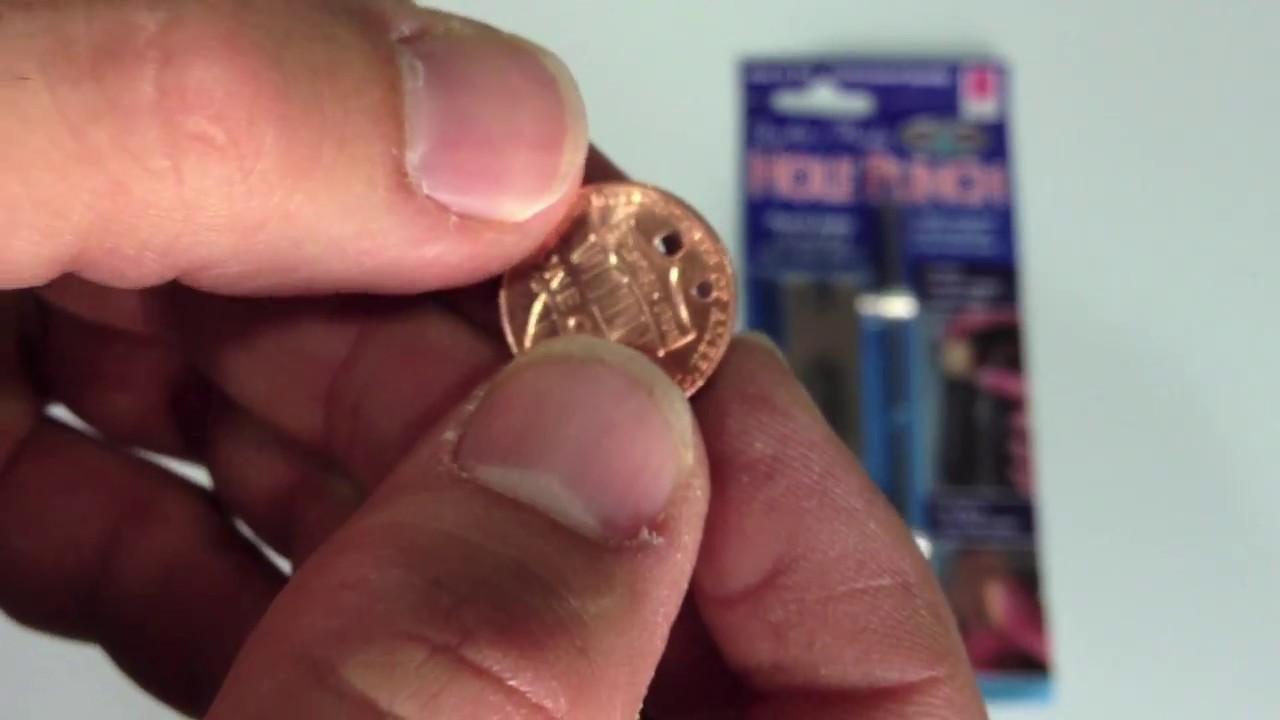
Credit: www.youtube.com
Preparing The Coin
Preparing the coin is the first step before drilling a small hole. This step helps make the drilling process easier and safer. Proper preparation protects the coin and ensures accuracy. Follow these simple actions to get your coin ready.
Cleaning The Surface
Start by cleaning the coin’s surface. Use a soft cloth and warm water. Remove dirt, oil, or dust. This prevents slipping during drilling. Dry the coin well to avoid any moisture.
Marking The Drill Spot
Next, mark the exact spot for the hole. Use a fine-tip marker or pencil. Place the mark where you want the hole. This helps guide the drill bit precisely. Double-check the mark before you begin drilling.
Securing The Coin
Hold the coin steady to avoid movement. Use a small clamp or a vise with soft jaws. Protect the coin’s surface by adding a cloth between the coin and clamp. A steady coin reduces the risk of mistakes and injury.
Drilling Techniques
Drilling a small hole in a coin requires care and the right technique. The drilling process must be precise to avoid damaging the coin. Using proper methods ensures a clean and accurate hole. Below are key techniques that help achieve this.
Setting The Drill Speed
Choose a low drill speed for better control. High speeds can cause the drill bit to overheat. Overheating can damage both the coin and the drill bit. Start slow and increase speed only if needed. Consistent speed helps maintain a clean hole.
Proper Hand Positioning
Hold the coin firmly but gently. Use a clamp or vise to keep it steady. Keep your hands steady to guide the drill bit. Avoid moving the coin while drilling. A steady hand reduces the risk of slipping or mistakes.
Applying Consistent Pressure
Press the drill bit down evenly and gently. Too much pressure can crack the coin. Too little pressure may cause the drill to slip. Let the drill bit do the work. Consistent pressure helps create a smooth hole.

Credit: www.lisayangjewelry.com
Finishing Touches
After drilling a small hole in a coin, the work is not done yet. The finishing touches make the hole clean and safe to handle. This step helps the coin look neat and last longer. Take your time to do these final steps carefully.
Removing Burrs And Sharp Edges
Drilling often leaves tiny metal burrs around the hole. These burrs can cut your fingers or scratch surfaces. Use a small file or sandpaper to smooth the edges gently. Work slowly and check often to avoid removing too much metal. A smooth edge makes the coin safer and better looking.
Polishing The Hole
Polishing the hole gives it a shiny, clean finish. Use a soft cloth or a polishing tool with some metal polish. Rub the hole gently to remove any roughness or marks. Polishing also helps prevent rust or corrosion. The coin will look almost like new with this step.
Inspecting For Accuracy
Look closely at the hole to check its size and shape. Make sure the hole is in the right place and not too big or small. Use a ruler or a small gauge to measure it carefully. Fix any mistakes by smoothing or re-polishing as needed. A precise hole improves the coin’s appearance and function.
Troubleshooting Common Issues
Drilling a small hole in a coin can be tricky. Problems may occur during the process. This section helps you solve common issues. Follow these tips to avoid mistakes and fix problems quickly.
Avoiding Coin Damage
Use a soft surface to protect the coin. Place the coin on a piece of wood or rubber. Do not press too hard with the drill. Keep the drill steady and slow. This prevents cracks and scratches on the coin.
Fixing Misaligned Holes
Mark the spot carefully before drilling. If the hole is off-center, try to widen it slightly. Use a small file to smooth the edges. You can also drill a new hole close to the first one. Be careful not to weaken the coin’s structure.
Dealing With Drill Bit Breakage
Use the right drill bit for metal. Thin bits break easily if pushed too hard. Apply light pressure and keep the drill speed low. Replace dull or damaged bits immediately. Always wear safety glasses to protect your eyes.
Credit: www.instructables.com
Frequently Asked Questions
How Do I Drill A Small Hole In A Coin Safely?
Use a small drill bit and secure the coin firmly. Drill slowly with steady pressure to avoid damage or slipping. Wear safety goggles to protect your eyes from metal shards.
What Tools Are Needed To Drill A Hole In A Coin?
You need a small drill bit, a drill or rotary tool, clamps, and safety goggles. A vise or clamp holds the coin steady during drilling for precision.
Can Drilling Damage The Coin’s Value Or Integrity?
Yes, drilling can lower a coin’s collectible value. It may also weaken the coin’s structure. Only drill if you don’t mind altering the coin’s condition.
What Is The Best Drill Bit Size For Small Coin Holes?
Use a drill bit between 1mm and 3mm for small holes. The exact size depends on the hole size you need for your project.
Conclusion
Drilling a small hole in a coin is simple with the right tools. Take your time and work carefully. Always protect your eyes and hands for safety. Start with a small drill bit and increase size slowly. Keep the coin steady to avoid slips.
This skill can help create unique jewelry or crafts. Practice on old coins before trying valuable ones. With patience, you can do this easily at home. Give it a try and enjoy your new project!
