


Are you tired of drilling holes in dowels that end up crooked or uneven? You’re not alone.
Getting a perfectly straight hole can be tricky, but it’s crucial for strong, precise woodworking projects. Imagine how much easier your work would be if every hole was spot-on every time. In this post, you’ll discover simple, effective techniques that will help you drill straight holes in dowels like a pro.
Keep reading, and you’ll never have to worry about misaligned holes again.
Choosing The Right Drill Bit
Choosing the right drill bit is key to drilling straight holes in dowels. The right bit helps you avoid splinters and keeps the hole clean. It also makes the drilling easier and more precise. Picking the wrong bit can cause the dowel to crack or the hole to be off-center.
Focus on the type, size, and material of the drill bit. These factors affect the quality of your work and the life of your tools. Let’s explore the best drill bits for dowels and what to consider when choosing them.
Types Of Drill Bits For Dowels
For dowels, brad point bits work best. They have a sharp center point that guides the bit straight. The spurs on the edges cut cleanly, reducing tear-out. Twist bits can be used but may cause splintering on soft wood.
For very precise holes, use Forstner bits. They create flat-bottom holes and smooth edges. These bits work well for larger dowels but need more careful handling.
Material And Size Considerations
Choose drill bits made from high-speed steel (HSS) or carbide for durability. HSS bits are sharp and affordable. Carbide bits last longer and stay sharp on hard materials.
Match the drill bit size to the dowel diameter. The hole should be the same size as the dowel or slightly smaller for a tight fit. Using a bit that is too large will make the dowel loose. Too small, and the dowel won’t fit in.
Measure the dowel carefully before drilling. Use a caliper or ruler for accuracy. This ensures a perfect hole and strong joint.
Credit: maiamidwifery.com
Preparing The Dowel
Preparing the dowel is the first key step for drilling straight holes. Careful preparation ensures the drill bit stays on target. This helps avoid crooked holes that weaken the joint. Follow simple steps to mark and hold the dowel firmly before drilling.
Marking The Drill Spot
Use a pencil to mark the exact drill spot on the dowel. Measure twice to ensure accuracy. A small dot or cross works well as a guide. This mark shows where the drill bit will enter. Precision here prevents mistakes during drilling.
Securing The Dowel For Stability
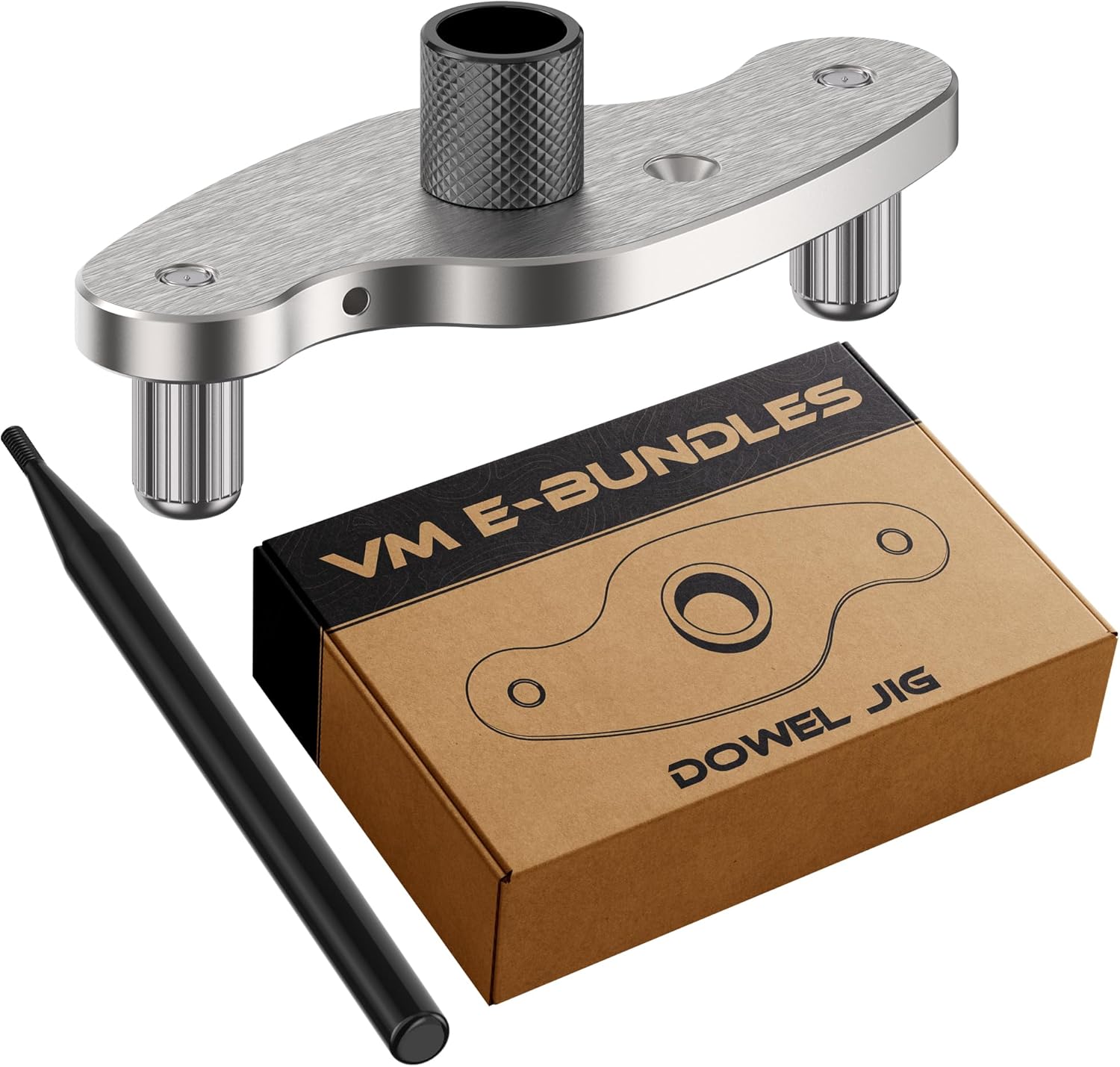
Clamp the dowel tightly in a vise or use a jig. This stops the dowel from moving while drilling. Movement can cause the hole to go off-center. Use padding between the clamp and dowel to avoid dents. Stable holding makes drilling easier and safer.
Drilling Techniques For Accuracy
Drilling straight holes in dowels requires good technique and steady control. Accuracy matters for a clean, strong fit. Small mistakes can cause the dowel to break or the hole to misalign. Focus on drilling methods that keep the bit steady and aligned. The right speed, pressure, and tools make a big difference in results.
These tips help you drill straight holes every time. Use proper drill speed and pressure. Employ guides and jigs to hold the dowel steady. These simple steps improve your accuracy and make your project look professional.
Proper Drill Speed And Pressure
Choose a slow to medium drill speed for hardwood dowels. Too fast can burn the wood or make the bit wander. Apply steady pressure but avoid pushing too hard. Let the drill bit do the cutting. Pressing hard can bend the bit and cause uneven holes. Keep your hand steady and control the drill’s motion. Slow and steady drilling helps keep the hole straight and clean.
Using Guides And Jigs
Guides and jigs hold the dowel in place and guide the drill bit. Use a drill guide or a simple block with a hole to keep the bit straight. Clamp the dowel firmly so it does not move. A jig ensures consistent hole depth and angle. It prevents the drill from slipping off the dowel. Using these tools makes drilling easier and more accurate, especially for beginners.

Credit: www.youtube.com
Common Mistakes To Avoid
Drilling straight holes in dowels is not always easy. Many beginners make simple mistakes. These errors affect the quality of the work. Avoiding common mistakes helps get cleaner, accurate holes. Focus on the main problems to improve your drilling skills.
Misalignment Issues
Misalignment happens when the drill is not straight. It causes the hole to be crooked or angled. This makes joining dowels difficult. To avoid misalignment, use a drill guide or clamp. Check the drill bit angle before drilling. Make sure the dowel is firmly held in place. Small shifts can cause big mistakes.
Drill Bit Slippage
Drill bit slippage occurs when the bit slips on the dowel surface. It creates an uneven or off-center hole. To stop slippage, mark the drilling spot clearly with a pencil. Start drilling slowly to create a small dent. Use a sharp drill bit for better grip. Holding the dowel steady also prevents slipping.
Finishing Touches
Finishing touches are key to perfect dowel holes. They improve the look and function of your project. Small steps here help avoid future problems. Take time to clean and check your work well.
Cleaning And Smoothing Holes
Remove all wood dust and splinters from the holes. Use a small brush or compressed air to clear out debris. Smooth the edges with fine sandpaper. This prevents cracks and helps the dowel fit snugly. Clean holes make glue stick better. Avoid rough or uneven surfaces inside the holes.
Checking Hole Alignment
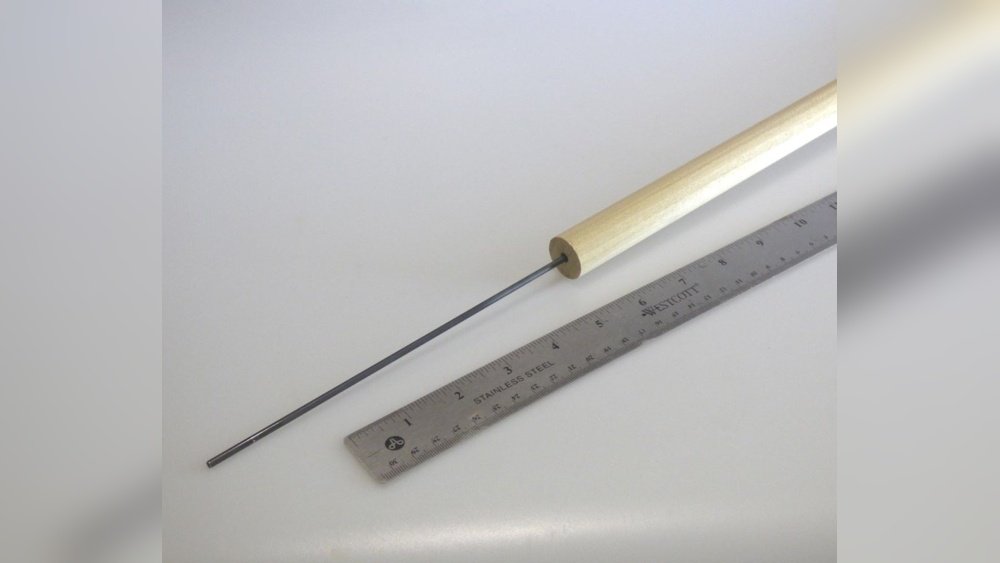
Check if the holes line up perfectly on both sides. Use a dowel or a thin rod to test the path. Insert it gently and see if it slides in straight. Misaligned holes cause weak joints and poor fit. Adjust your drilling technique if needed for better accuracy. Proper alignment saves time and improves strength.
Credit: www.youtube.com
Tools And Accessories For Precision
Drilling straight holes in dowels requires the right tools and accessories. These help ensure accuracy and clean results. Choosing proper equipment reduces mistakes and saves time. Precision tools keep the drill steady and aligned perfectly. They also protect the wood from splitting or damage.
Drill Press Vs Hand Drill
A drill press offers better control and accuracy. It holds the dowel steady and guides the drill bit straight down. This tool is ideal for multiple holes or exact depths. A hand drill is more flexible and portable. But it is harder to keep perfectly straight without a steady hand. For beginners, a drill press often gives better results. Hand drills work well for quick or small jobs.
Helpful Accessories For Straight Drilling
Use a drill guide or jig to keep the drill bit aligned. These tools clamp onto the dowel and guide the drill. They prevent the bit from wandering off the mark. A center punch makes a small dent where the hole will be. This keeps the drill bit from slipping at start. Clamps hold the dowel firmly in place. They stop any movement during drilling. Choose sharp, high-quality drill bits designed for wood. Dull bits cause uneven holes and tear out fibers.
Frequently Asked Questions
How Do I Drill Straight Holes In A Dowel?
Use a drill press or guide to ensure the drill bit stays perpendicular. Clamp the dowel securely and drill slowly for accuracy.
What Tools Help Drill Straight Holes In Dowels?
A drill press, dowel jig, or a homemade guide helps maintain drill bit alignment and ensures straight holes in dowels.
How To Prevent Dowel Splitting When Drilling Holes?
Use a sharp drill bit, drill slowly, and apply light pressure. Pre-drilling pilot holes can also reduce splitting in dowels.
What Drill Bit Size Is Best For Dowel Holes?
Choose a drill bit slightly smaller than the dowel diameter for tight, precise holes that ensure a strong fit.
Conclusion
Drilling straight holes in dowels takes practice and care. Use the right tools and steady your hands. Mark the spot clearly before you start drilling. Keep the drill bit aligned with the dowel’s center. Slow and steady drilling helps prevent mistakes.
Check your work often to stay on track. Small steps lead to better results. Follow these tips to improve your woodworking projects. Simple habits create strong, clean holes every time. Keep practicing, and your skills will grow quickly.
