


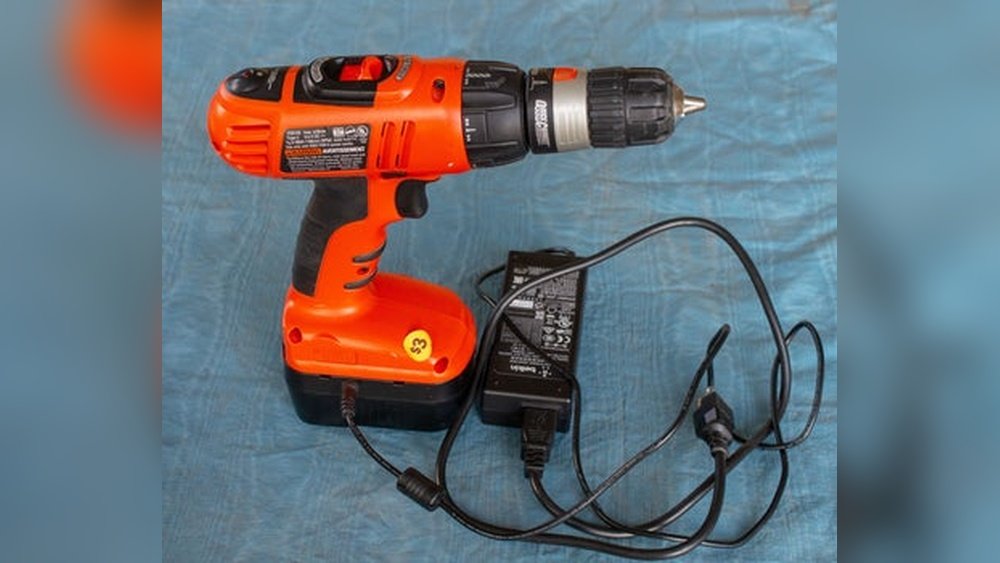
Have you ever found yourself frustrated with your cordless drill running out of battery in the middle of an important project? What if you could turn your cordless drill into a corded one and never worry about charging again?
You’ll discover simple, step-by-step ways to make your cordless drill corded. This quick fix can save you time, money, and the hassle of constant recharging. Keep reading, and you’ll learn how to power your drill continuously, so your projects never have to pause.
Reasons To Convert Cordless Drill
Converting a cordless drill to corded power can solve many common problems. Many users find cordless drills run out of battery quickly. This limits how long they can work. A corded drill offers steady power without interruptions.
Some tasks need more power than batteries can provide. Using a corded drill can make these jobs easier. It also saves money by avoiding constant battery replacements.
Limitations Of Battery Power
Batteries have limited charge time. They need frequent recharging during long tasks. Battery life decreases over time, reducing drill performance. Cold weather can also reduce battery efficiency. Batteries add extra weight to the drill, making it harder to handle.
Benefits Of Corded Power
Corded drills provide constant, strong power. They do not require recharging or battery swaps. Corded drills are usually lighter without heavy batteries. They perform well in cold or hot conditions. Ideal for heavy-duty jobs needing continuous power.
Tools And Materials Needed
To convert a cordless drill into a corded one, gather all necessary tools and materials first. Having the right equipment ensures a smooth and safe process. Prepare your workspace and organize each item before you start.
Required Tools
- Screwdriver set for opening the drill casing
- Soldering iron for connecting wires
- Wire stripper to remove insulation cleanly
- Multimeter to check electrical connections
- Drill or rotary tool for making holes
- Pliers for bending and holding wires
Safety Equipment
- Protective gloves to avoid cuts and shocks
- Safety goggles to protect your eyes
- Work apron or old clothes to prevent damage
- Fire extinguisher nearby for emergencies
Materials And Components
- Power cord with plug suitable for your region
- Voltage regulator or transformer if needed
- Heat shrink tubing for insulating wires
- Electrical tape to secure connections
- Solder wire for strong electrical joints
- Drill casing screws in case of loss
Preparing The Drill For Conversion
Preparing your cordless drill for conversion to a corded model requires careful steps. Each step ensures safety and proper function. This section covers the initial tasks before wiring changes.
Taking the right approach helps avoid damage to the drill. It also makes the conversion process smoother and more efficient.
Removing The Battery Pack
Start by removing the battery pack from the drill. Most cordless drills have a simple clip or button to release the battery. Take out the battery carefully and set it aside in a safe place.
This step is important to avoid electric shock or short circuits. Make sure the drill is turned off before removing the battery. Removing the battery also gives better access to the drill’s internal parts.
Inspecting Internal Wiring
Next, open the drill casing to check the wiring inside. Use a screwdriver to remove the screws holding the case together. Be gentle to avoid breaking any clips or parts.
Look closely at the wires connected to the battery and motor. Check for any damaged or loose wires. Understanding the wiring layout helps in planning the new cord connection.
Note the color and position of each wire. Take pictures if needed to remember the setup. Proper inspection prevents mistakes during the conversion process.

Credit: www.youtube.com
Wiring The Drill To A Power Source
Wiring a cordless drill to a power source changes it into a corded tool. This process needs care and the right materials. Proper wiring ensures the drill works safely and steadily. The drill must connect to a suitable power cord. Next, wires must join correctly. Finally, connections need to stay firm. Let’s explore these steps.
Choosing The Right Power Cord
Pick a power cord with the correct voltage rating. It should match the drill’s power needs. Use a cord with thick wires to avoid overheating. Look for cords with insulation to protect against shocks. A cord with a grounded plug adds safety. Avoid cheap or damaged cords to prevent hazards. The right cord keeps power steady and safe.
Connecting Wires Safely
Turn off all power before starting any wiring. Strip the wire ends carefully without cutting the metal. Match the wire colors: usually black for live, white for neutral, and green or bare for ground. Twist wires together tightly to make good contact. Use wire nuts or connectors to cover exposed wire ends. Loose or exposed wires can cause shorts or shocks. Check connections twice to be sure they are secure.
Securing The Connection
After wiring, use electrical tape to wrap connectors. This adds extra insulation and keeps wires from moving. Place wires so they do not touch sharp edges or moving parts. Use cable clamps or zip ties to hold wires in place. Make sure the connection is tight and will not pull apart. A secure connection prevents sparks and keeps the drill running well.
Testing The Converted Drill
Testing the converted drill is the next important step after the wiring is done. This step ensures the drill runs safely and properly using corded power. Careful testing helps avoid damage to the tool or any risk of electric shock. Follow these simple checks to confirm the drill works well with the new power source.
Initial Power On Check
First, plug the drill into a power outlet. Keep the drill away from your body and any flammable materials. Turn the drill on briefly to see if it powers up. Listen for smooth motor sounds without strange noises or sparks. Check if the drill spins as expected without any delay or jerks. If the drill runs steadily, it passes the initial power test. Unplug the drill immediately after this check.
Troubleshooting Common Issues
If the drill does not turn on, check the power cord connections. Loose wires or poor contacts can stop the flow of electricity. Use a multimeter to verify voltage reaches the drill motor. If the drill runs but stops quickly, inspect the switch and wiring for faults. Overheating may suggest a short circuit or wrong voltage. Fix any visible damage or replace faulty parts before testing again. Test in a safe place every time.

Credit: www.instructables.com
Safety Tips For Using A Corded Drill
Using a corded drill needs extra care to stay safe. These power tools can cause serious accidents without proper handling. Knowing key safety tips helps protect you and your work area. Follow simple steps to avoid risks and work confidently with your corded drill.
Avoiding Electrical Hazards
Check the power cord for cuts or damage before use. Never use a drill with exposed wires. Keep the cord away from water or wet surfaces. Always plug the drill into a grounded outlet. Avoid pulling the cord to disconnect it. Unplug the drill before changing bits or cleaning.
Proper Handling And Storage
Hold the drill firmly with both hands while working. Wear safety goggles to protect your eyes from debris. Store the drill in a dry, cool place when not in use. Avoid wrapping the cord tightly around the drill. Keep the drill away from children and pets. Regularly clean and inspect the drill for safe operation.
Alternative Diy Power Hacks
Alternative DIY power hacks offer simple ways to power your cordless drill without a cord. These methods help extend your tool’s use and save money. You can try different power sources that fit your needs and budget. Below are two practical options to consider.
Using External Battery Packs
External battery packs provide extra power for your cordless drill. These packs connect easily to your drill’s battery slot. They supply steady voltage to keep your drill running longer. You can use rechargeable lithium-ion packs for best results. Choose a pack with the right voltage to match your drill. This method avoids the hassle of cords and outlets. It gives you more freedom to work anywhere.
Solar-powered Options
Solar power offers a clean way to run your drill outdoors. Small solar panels can charge batteries that power the drill. These panels work well on sunny days and save electricity. Combine solar panels with a battery storage system for consistent power. This option suits projects in remote areas with no electrical access. Solar power helps reduce your carbon footprint too.

Credit: www.youtube.com
Frequently Asked Questions
Can You Convert A Cordless Drill To Corded?
Yes, you can convert a cordless drill to a corded one by powering it directly from an AC source. This involves bypassing the battery and connecting the drill’s motor to a compatible power adapter with correct voltage and current ratings.
What Tools Are Needed To Make Drill Corded?
You need a soldering iron, voltage regulator or adapter, wires, electrical tape, and a multimeter. These tools help connect the drill motor safely to an external power source without damaging the drill’s components.
Is It Safe To Modify A Cordless Drill This Way?
Modifying a cordless drill can be safe if done correctly. Ensure proper voltage and current match the drill’s specifications. Incorrect wiring or power supply can cause damage or hazards, so take precautions and follow electrical safety guidelines.
Will Making A Cordless Drill Corded Affect Performance?
The drill’s performance may improve due to consistent power supply. However, it loses portability and battery convenience. Ensure the power source matches the original battery’s output to avoid reduced speed or motor damage.
Conclusion
Making a cordless drill work as a corded tool saves battery trouble. It gives steady power for long tasks without stops. This change is simple with the right tools and care. Always check safety before starting any work. Keep your drill in good shape to last longer.
Now, you can use your drill without worrying about charges. Try this method for better work time and ease.
